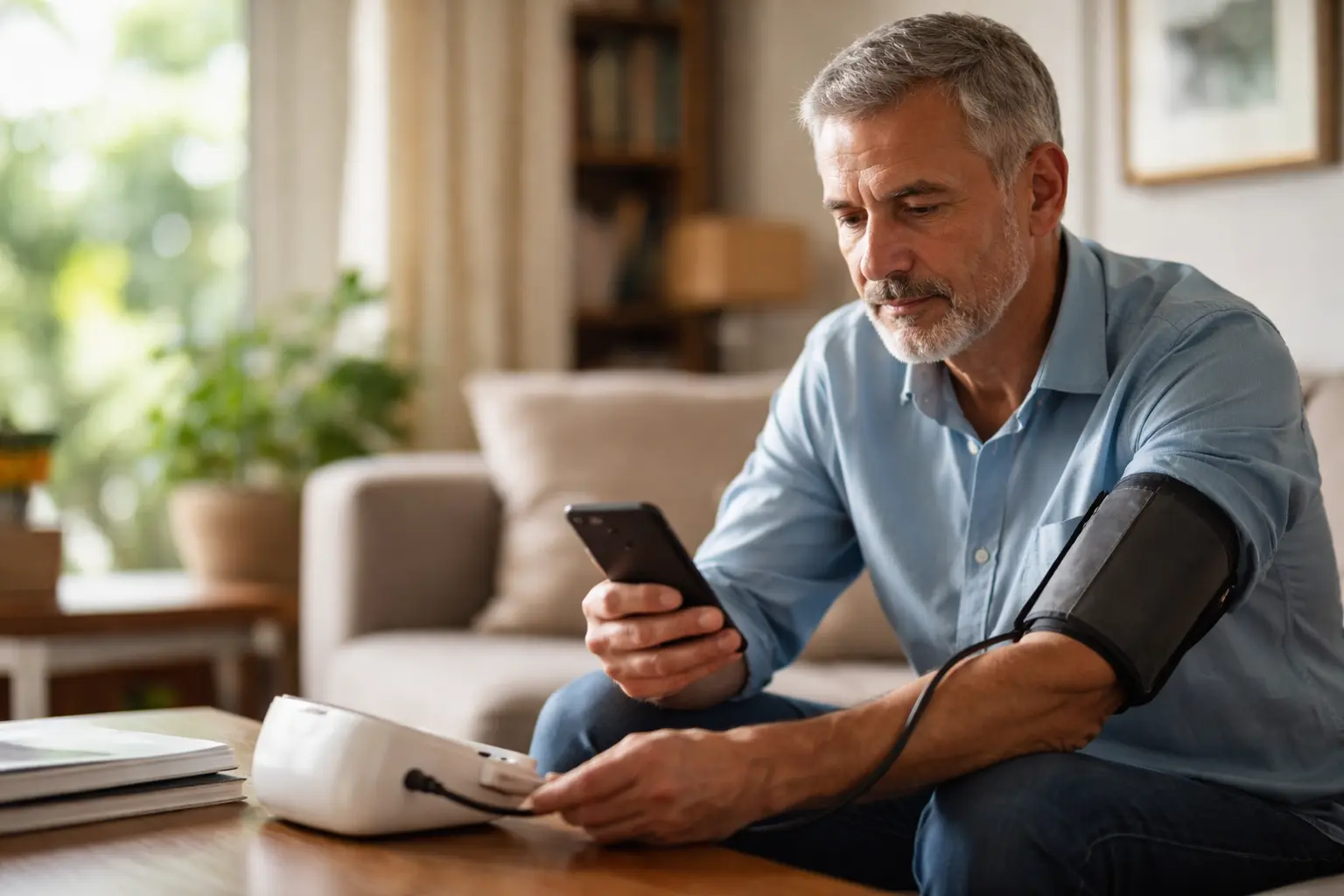
You’re scrolling through your phone at midnight, suddenly wondering if that chest tightness means something’s seriously wrong, and you realize you have zero idea what your actual blood pressure is because you haven’t seen a doctor in years, which is exactly why understanding telemonitoring blood pressure effectiveness could be the wake-up call your health desperately needs.
Benefits of telemonitoring blood pressure
There’s something genuinely empowering about taking control of your health without waiting weeks for an appointment or sitting in a clinic waiting room for two hours. When you start monitoring your blood pressure at home, you’re not just collecting numbers on a screen, you’re building a personal health narrative that only you understand. Imagine tracking your readings over three months and noticing that your pressure drops noticeably on days you actually sleep eight hours or skip the energy drinks. That’s real data about your body. Convenience matters too, especially when life gets chaotic. You can check your BP while having your morning coffee, right before bed, or whenever you feel off, without rearranging your entire schedule. Early detection becomes possible because you’re catching subtle changes nobody else would notice, giving you and your healthcare provider a clearer picture of what’s actually happening with your cardiovascular health.
- Empowerment through self-monitoring
- Convenience of tracking BP at home
- Early detection of hypertension or fluctuations
Challenges young adults face
Let’s be honest, consistency is brutal. You buy a monitor with genuine intentions, use it religiously for two weeks, then life happens. Work deadlines pile up, social plans fill your calendar, and suddenly three months have passed since you last checked. Then there’s the confusion factor, which catches most people off guard. You see a reading of 135 over 85 and think, is that bad? Is that normal? Should I panic or ignore it? The numbers feel abstract without context. Finding reliable guidance adds another layer of stress because not everyone has a healthcare provider they feel comfortable texting with questions, and Dr. Google can send you down anxiety spirals that don’t help anyone. Young adults especially struggle with the gap between knowing they should monitor and actually building it into their lives.
💬 Ready to feel better in 2 minutes?choose where to begin:
Encouraging results from home monitoring
Here’s what actually shifts perspective: seeing your own data transform over weeks and months. One young adult started monitoring after feeling anxious about family history of hypertension and discovered that her readings were consistently higher on days she skipped the gym and drank three coffees before noon. Once she made those connections, she had real motivation to change, not just abstract health advice from a pamphlet. Tracking reveals patterns nobody else can see. You notice your pressure spikes during stressful work meetings or drops after yoga. You start understanding your body’s unique language. That motivation compounds because you’re not relying on someone else’s assessment, you’re witnessing your own progress. Some people see their numbers improve after dietary changes or stress management and feel genuinely proud, which fuels continued effort. The insights become personal, meaningful, and actually actionable.
Future outlook and integration
Blood pressure monitors are getting smarter and more user-friendly every year. Newer devices sync automatically with your phone, send alerts if readings seem off, and create visual charts that make trends obvious at a glance. The friction of monitoring keeps decreasing. Healthcare accessibility is expanding too, especially for young adults who might not have regular primary care providers. Telemonitoring bridges that gap by letting you maintain ongoing health awareness without needing constant office visits. The real game-changer coming is personalized care, where your home readings inform a healthcare provider’s recommendations specifically tailored to your patterns and lifestyle. Instead of generic advice, you get strategies built around your actual data. This shift toward data-informed, personalized medicine means your home monitoring isn’t just a solo activity, it’s becoming part of a larger healthcare conversation.
Telemonitoring blood pressure offers empowerment through self-control, convenience, and early detection. Despite challenges in compliance and interpretation, the insights gained and motivation from home monitoring provide a positive outlook. The future holds promising advancements for personalized care and increased healthcare accessibility.
Is telemonitoring blood pressure as accurate as in-office measurements?
Home BP monitors are reliable when used correctly, although occasional discrepancies may occur. Consult your healthcare provider for guidance and calibration.
Can telemonitoring blood pressure replace regular doctor visits?
While home monitoring offers convenience, it is essential to combine it with periodic check-ups by your healthcare provider for a comprehensive assessment.
Others also read:
Disclaimer: This article is for informational purposes only and is not a substitute for professional medical advice. Always consult a healthcare professional for personal guidance.
This article presents an experience-based perspective and has been reviewed by the GlobalHealthBeacon editorial team in 2026. It provides structured, evidence-based information to support informed health decisions.
← Back to the main telemonitoring blood pressure effectiveness page
