Your heart’s pounding during a stressful work meeting, you feel dizzy after the gym, and you have no idea if your blood pressure is actually fine or silently climbing – but telemonitoring blood pressure effectiveness might be the missing piece that finally gives you real answers instead of guessing.
Understanding home blood pressure monitoring
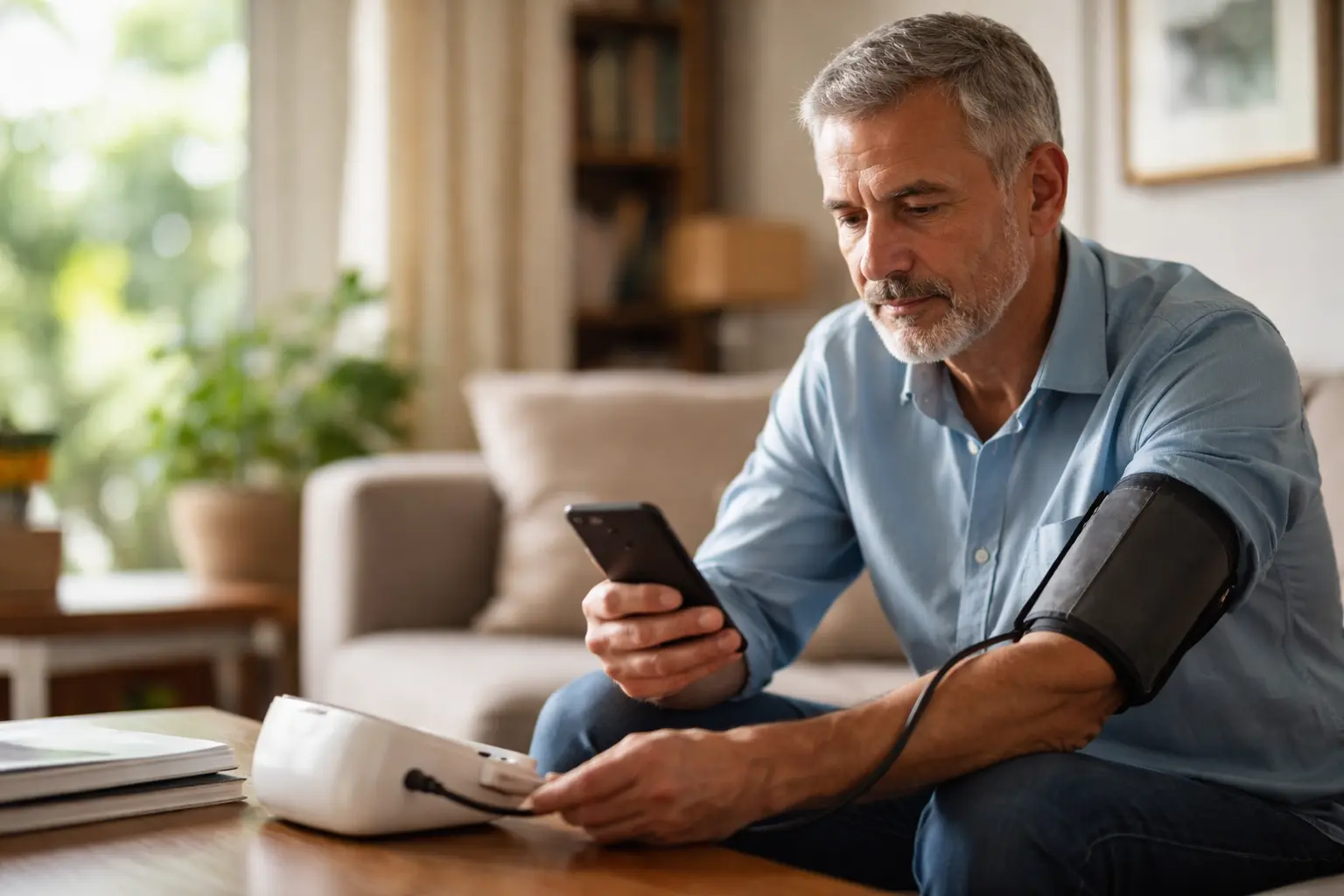
Telemonitoring blood pressure means taking control of your cardiovascular health from your couch, bedroom, or kitchen. Instead of relying on occasional doctor visits where white coat syndrome might skew your numbers, you get a real-world picture of how your body actually behaves day to day. Imagine tracking your readings over two weeks and noticing your pressure spikes every Tuesday morning before that weekly meeting, or drops after your yoga sessions. That’s the power of home monitoring. Young adults often dismiss blood pressure as something to worry about later, but early patterns matter. By establishing baseline readings now, you create a personal health database that helps you and your doctor spot trends before they become problems. This method works because it captures your authentic readings in your natural environment, not in a sterile clinic where anxiety alone can inflate numbers by 10 to 20 points.
- Convenient way to monitor blood pressure regularly without scheduling appointments
- Provides insights into how lifestyle factors like stress, caffeine, and exercise affect your readings
- Helps detect any irregularities or concerning patterns early before they escalate
Getting started with home blood pressure monitoring
Starting a home monitoring routine requires three concrete steps. First, invest in a validated automatic upper-arm monitor (wrist and finger monitors are less reliable). Look for brands that have been clinically tested and approved by organizations like the American Heart Association. Second, master the technique: sit with your back supported, feet flat on the floor, arm at heart level, and the cuff snug but not tight. Many people get false readings because they’re slouched on the couch or talking during measurement. Third, establish a rhythm. Take readings at the same time each morning before caffeine and again in the evening, ideally for at least five to seven days. Keep a simple log in your phone or a spreadsheet. After two weeks of consistent data, share your readings with your healthcare provider. They can spot patterns you might miss and adjust any recommendations based on your actual numbers rather than assumptions. This routine takes five minutes daily but creates a powerful accountability system.
📘 Fix your day in under 2 minuteschoose where to begin:
Interpreting home blood pressure readings
Blood pressure numbers tell a story if you know how to read them. The top number (systolic) measures pressure when your heart beats; the bottom number (diastolic) measures pressure between beats. Normal for young adults is under 120/80 mmHg. Elevated is 120-129 and less than 80. Stage 1 hypertension is 130-139 or 80-89. If you consistently see readings in the elevated or stage 1 range, that’s not a diagnosis yet, but it’s a signal to discuss with your doctor. Keep a simple log noting the date, time, reading, and what you were doing before (stressed, exercised, had coffee). Over weeks, patterns emerge. Maybe your readings are fine most days but spike after late-night gaming sessions. Maybe they’re consistently higher in winter. These insights let you make targeted lifestyle changes. Don’t panic over a single high reading; blood pressure naturally fluctuates. But if you see a sustained upward trend or readings consistently above 140/90, contact your provider promptly.
Benefits of home blood pressure monitoring
Home monitoring transforms you from a passive patient into an active participant in your health. You stop wondering if you should be concerned and start knowing exactly where you stand. This awareness alone often motivates lifestyle changes. Young adults who see their own elevated readings are more likely to cut back on sodium, exercise more consistently, or manage stress better than those who only hear warnings from a doctor. You also catch problems early. Some people develop hypertension in their twenties or thirties without symptoms; home monitoring reveals this before damage occurs. Additionally, you build trust with your healthcare provider. Instead of arriving at an appointment with anxiety-inflated numbers, you bring weeks of real data that tells the true story. This leads to better clinical decisions. If your readings are genuinely normal, your doctor won’t over-treat you. If they’re genuinely elevated, you’ll get appropriate support. You also reduce unnecessary clinic visits for blood pressure checks. Finally, you develop health literacy. Understanding your own numbers and patterns creates a foundation for managing other aspects of your health with the same informed approach.
Consistency and persistence are key
Home blood pressure monitoring only works if you actually do it. The most common mistake is starting strong for two weeks, then abandoning the routine when life gets busy. Real benefit emerges over months and years, not days. Set a specific trigger: take your reading right after brushing your teeth in the morning, or right before dinner. Link it to an existing habit so it becomes automatic. Use phone reminders if needed. Track your readings in one place so you can review them monthly and see your progress. Some people find it motivating to share their data with a friend or family member who checks in on them. Others use apps that sync with their phone and show trends visually. The key is finding what keeps you accountable. After three months of consistent monitoring, you’ll have genuine insights into your cardiovascular health. After six months, you’ll spot seasonal patterns. After a year, you’ll have a comprehensive picture that helps you and your doctor make informed decisions about your long-term health strategy. Persistence pays off because blood pressure management is a marathon, not a sprint.
Home blood pressure monitoring gives young adults a practical, evidence-based tool to understand their cardiovascular health without depending on occasional doctor visits. By choosing a validated monitor, learning proper technique, establishing a consistent routine, and tracking your readings over time, you shift from guessing about your health to knowing exactly where you stand. The real power comes from consistency and using your data to make informed lifestyle choices. Start today, stay committed, and let your own numbers guide your health decisions.
How often should I monitor my blood pressure at home?
Ideally, monitor at least once daily, preferably at the same time each morning before caffeine and again in the evening. If your readings are elevated or your doctor suspects hypertension, they may recommend twice daily monitoring for a period. Once you establish a stable baseline, you can reduce frequency to several times weekly, but consistency matters more than frequency. Your healthcare provider will give you specific guidance based on your individual situation.
What should I do if I notice a significant change in my blood pressure readings?
First, retake the reading to confirm it was not a measurement error. Ensure you were sitting properly, relaxed, and had not consumed caffeine or nicotine recently. If the elevated reading persists over multiple measurements across several days, contact your healthcare provider. Bring your log of readings so they can see the pattern. Do not panic over a single high reading, as blood pressure naturally fluctuates. However, sustained elevation or readings consistently above 140/90 warrant prompt medical attention. Your provider may adjust your treatment plan or recommend lifestyle modifications based on the data you present.
Others also read:
Disclaimer: This article is for informational purposes only and is not a substitute for professional medical advice. Always consult a healthcare professional for personal guidance.
This guide has been prepared and reviewed by the GlobalHealthBeacon editorial team and reflects current medical research as of 2026. It provides structured, evidence-based information to support informed health decisions.
← Go to the telemonitoring blood pressure effectiveness main guide
