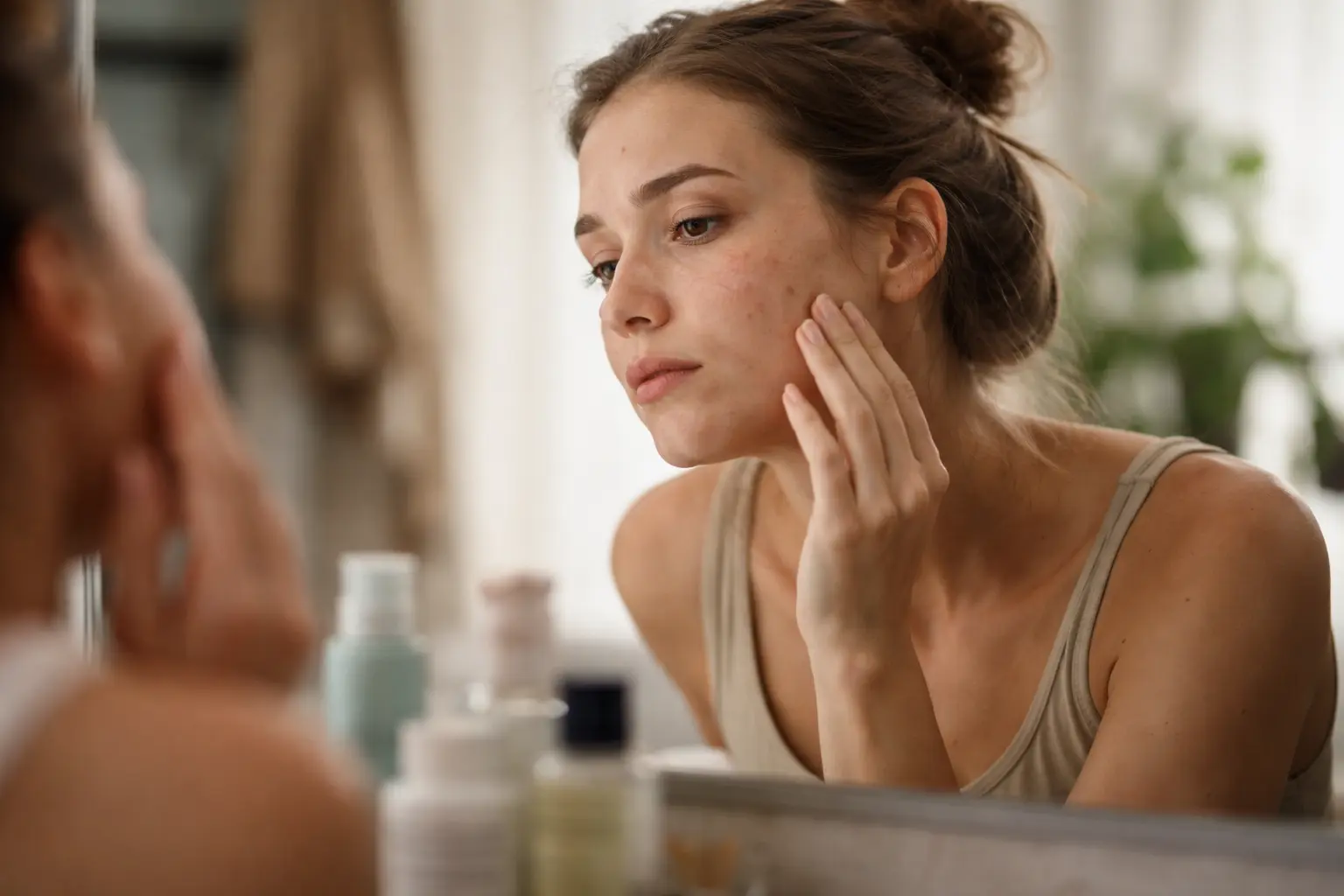
You’re staring at your reflection right before an important meeting, and there it is again, that angry red bump that screams louder than your voice ever could, which is exactly why you need this acne treatment guide to finally understand what’s actually happening to your skin.
Understanding acne causes
Picture this: you’re 22, eating relatively well, sleeping okay, but your face tells a completely different story. Acne doesn’t just appear out of nowhere, and that’s what makes it so frustrating. Hormonal changes during your twenties can trigger your skin’s oil production to go into overdrive, especially around your jawline and forehead. If your parents dealt with acne, chances are your genetics loaded the gun. Then there’s the sneaky stuff nobody talks about: that late-night pizza habit or the stress from deadlines literally triggering hormonal fluctuations that worsen breakouts within days. Bacterial growth happens when dead skin cells, excess sebum, and bacteria team up inside your pores, creating the perfect storm of inflammation. Understanding these triggers isn’t just academic knowledge; it’s the foundation for actually doing something about it.
- Hormonal imbalances contribute to acne flare-ups.
- Genetics play a role in determining skin type and acne susceptibility.
- Diet high in refined sugars and dairy can exacerbate acne.
- Stress can trigger hormonal fluctuations that worsen acne.
Effective acne treatments
The treatment landscape for acne is genuinely vast, and that’s both good and overwhelming news. Starting with over-the-counter options: benzoyl peroxide works by killing bacteria and reducing oil, while salicylic acid gently exfoliates to prevent pore clogging. Many young adults find success with these first, though results take weeks, not days. If those don’t cut it, dermatologists can prescribe retinoids like tretinoin, which literally rewires how your skin cells behave, or oral antibiotics that fight inflammation from the inside. For stubborn cases that have left scars or deep cystic acne, professional procedures like chemical peels dissolve the skin’s top layer to reveal clearer skin beneath, or laser therapy targets bacteria and reduces sebum production. The key is matching the right treatment to your specific acne type, which is why professional guidance matters so much.
💬 Ready to feel better in 2 minutes?choose where to begin:
Lifestyle changes for clear skin
Here’s the truth nobody wants to hear: the best acne treatment is often the boring stuff. A consistent skincare routine means cleansing twice daily without stripping your skin, applying targeted treatments, and moisturizing even if you’re oily. Think of it like brushing your teeth, not optional. Nutrition matters more than you think; loading your plate with fruits, vegetables, and whole grains reduces inflammation while cutting back on sugary drinks and processed foods removes fuel for breakouts. Hydration isn’t just a buzzword, it actually helps your skin function properly. Stress management through exercise, meditation, or even just walking outside for 20 minutes genuinely reduces cortisol, which triggers acne flare-ups. Sleep hygiene is equally crucial because your skin repairs itself at night, and skipping sleep literally undermines your skin’s natural healing process.
Seeking professional help
There’s a moment when you realize over-the-counter products aren’t working, and that’s not failure, that’s actually important information. If you’ve been consistent with treatments for 8 to 12 weeks and still seeing breakouts, or if acne is affecting your self-esteem so much that you’re avoiding social situations, it’s time to book a dermatologist appointment. A skincare professional can identify your specific acne type, whether it’s comedonal, inflammatory, or hormonal, and create a personalized roadmap instead of you guessing in the dark. They can prescribe stronger medications, recommend products that actually work with your skin chemistry, and perform in-office procedures that deliver faster results. The investment in professional guidance often saves money long-term because you’re not buying every trending product hoping something sticks.
Understanding the causes of acne, exploring effective treatments, making lifestyle adjustments, and seeking professional guidance are key steps in managing acne effectively.
Are there any natural remedies for acne?
While natural remedies like tea tree oil or aloe vera may help reduce acne symptoms, it’s advisable to consult with a dermatologist before trying them to ensure they are safe and effective.
Can diet influence acne breakouts?
Research suggests that a diet high in refined sugars and dairy products may exacerbate acne in some individuals. Opting for a balanced diet rich in fruits, vegetables, and whole grains can support clearer skin.
Others also read:
Disclaimer: This article is for informational purposes only and is not a substitute for professional medical advice. Always consult a healthcare professional for personal guidance.
This article presents an experience-based perspective and has been reviewed by the GlobalHealthBeacon editorial team in 2026. It provides structured, evidence-based information to support informed health decisions.
