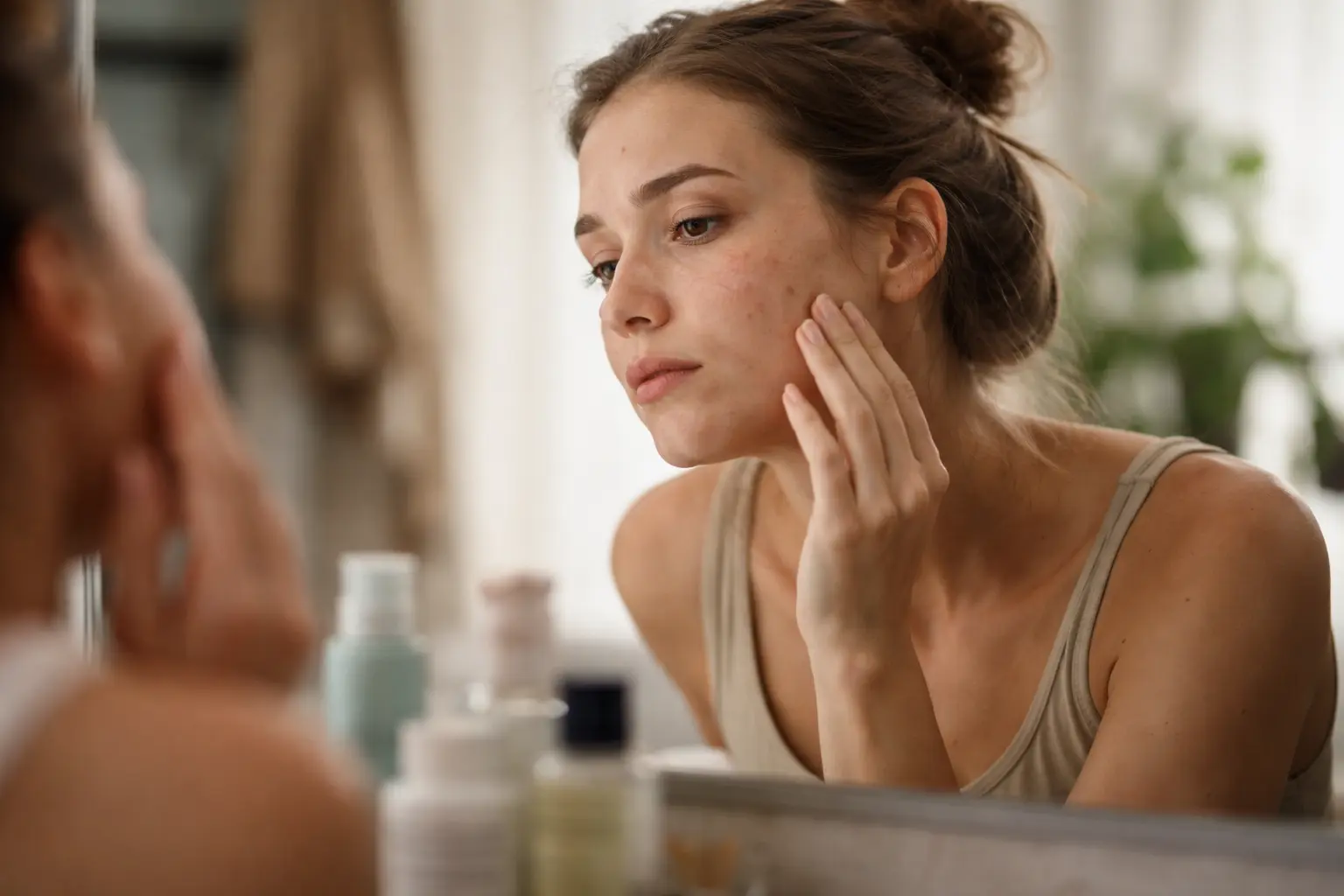
You wake up, look in the mirror, and there it is again—another angry red bump right where you don’t need it—but this acne treatment guide walks you through the exact products that actually work, so you can finally stop the cycle.
Top acne products for gentle cleansing
When dealing with acne, gentle cleansing is foundational. Think of your skin barrier like a protective shield that harsh scrubbing can damage, leaving it vulnerable to more breakouts. Many women make the mistake of attacking their skin with aggressive cleansers, thinking tougher equals better results. In reality, products like creamy cleansers, foaming formulas, and micellar water remove dirt and oil without stripping away the natural moisture your skin desperately needs to heal. A typical routine might look like this: use a gentle cleanser morning and night, massage it in circular motions for about 30 seconds, then rinse with lukewarm water. The key is consistency and patience. Non-comedogenic formulas are essential because they won’t clog pores, and avoiding harsh physical exfoliants during the cleansing step prevents irritation that can trigger more inflammation and breakouts.
- Look for non-comedogenic formulas to avoid clogging pores.
- Avoid harsh exfoliants that can irritate sensitive skin.
- Incorporate a cleanser into your daily skincare routine for best results.
Effective spot treatments for acne breakouts
Spot treatments are your tactical weapon against individual breakouts. Imagine you have a date tomorrow and a pimple appears—this is where targeted treatments shine. Benzoyl peroxide works by killing acne-causing bacteria and reducing inflammation, typically showing results within 24 to 48 hours with consistent application. Salicylic acid, a beta hydroxy acid, penetrates pores to dissolve sebum and dead skin cells that feed bacteria. A practical approach is to apply spot treatment only to the affected area after cleansing but before moisturizing, using a small amount to avoid over-drying surrounding skin. Many women find success layering a thin moisturizer over the spot treatment to buffer irritation while maintaining effectiveness. Common mistakes include applying too much product, using it on already-irritated skin, or expecting overnight perfection. Results typically appear after three to five days of consistent use, making patience crucial for this step.
📘 Fix your day in under 2 minuteschoose where to begin:
Moisturizers that hydrate without clogging pores
Finding the right moisturizer when you have acne-prone skin feels like searching for a needle in a haystack. The challenge is real: your skin needs hydration to function properly, yet many moisturizers feel heavy and trigger breakouts. Oil-free, non-comedogenic moisturizers are specifically formulated to provide hydration while maintaining a matte finish that won’t trap bacteria or sebum. Look for ingredients like hyaluronic acid, which holds moisture without adding oil, or glycerin, which draws water into the skin. A realistic scenario: you apply your acne treatment, wait two minutes, then apply a lightweight moisturizer in upward strokes. This prevents the treatment from drying out your skin excessively, which can actually trigger more oil production and worsen breakouts. Many women skip moisturizer entirely when treating acne, but this backfires because dehydrated skin produces excess oil to compensate. The goal is balance—hydrated, calm skin that heals faster and looks healthier overall.
The power of exfoliation in acne treatment
Exfoliation removes the dead skin cells that accumulate on the surface and clog pores, creating the perfect environment for bacteria to thrive. However, the type of exfoliation matters enormously. Chemical exfoliants like alpha hydroxy acids (AHAs) and beta hydroxy acids (BHAs) dissolve the bonds between dead cells, allowing them to shed naturally without physical scrubbing that can irritate inflamed skin. For example, a woman with moderate acne might use a BHA toner two to three times weekly, noticing clearer skin within two weeks as pores stay unclogged. Physical exfoliants like scrubs or brushes can worsen acne by spreading bacteria and causing micro-tears in already-sensitive skin. A safer approach is starting with one chemical exfoliant two to three times per week, then adjusting based on how your skin responds. Over-exfoliation is a common pitfall that leads to a damaged barrier, increased sensitivity, and paradoxically, more breakouts. The sweet spot is finding a rhythm that keeps pores clear without compromising your skin’s protective function.
Overnight masks for ongoing acne care
Overnight masks work while you sleep, delivering intensive treatment without requiring active participation during your day. Think of them as a reset button for your skin: you apply before bed, wake up, and your skin has had hours to absorb powerful ingredients. Masks containing niacinamide reduce inflammation and regulate oil production, while tea tree oil provides antibacterial support that prevents new breakouts from forming. A typical routine involves cleansing, applying any spot treatments, then finishing with a thin layer of overnight mask. Some women apply masks only to problem areas, while others use them all over for comprehensive care. Results appear gradually over one to two weeks of consistent use, with skin appearing calmer, less red, and noticeably clearer. The advantage of overnight masks is they don’t interfere with daytime activities and allow ingredients more time to penetrate and work. Common mistakes include applying masks too thickly, which can feel uncomfortable and may cause pilling, or using them on already-irritated skin without checking ingredient compatibility first.
Discover top acne products for gentle cleansing, effective spot treatments, non-comedogenic moisturizers, exfoliation, and overnight masks to support your skin in the battle against breakouts.
Are these acne products suitable for all skin types?
While these products are generally well-tolerated, it’s important to patch-test new products and consult a dermatologist for personalized recommendations.
How soon can I expect to see results from these acne treatments?
Results vary depending on the individual and the product used. Consistent use over several weeks is typically required to see noticeable improvements in acne symptoms.
Others also read:
Disclaimer: This article is for informational purposes only and is not a substitute for professional medical advice. Always consult a healthcare professional for personal guidance.
This guide has been prepared and reviewed by the GlobalHealthBeacon editorial team and reflects current medical research as of 2026. It provides structured, evidence-based information to support informed health decisions.
