Part of: Heart & Chronic Conditions
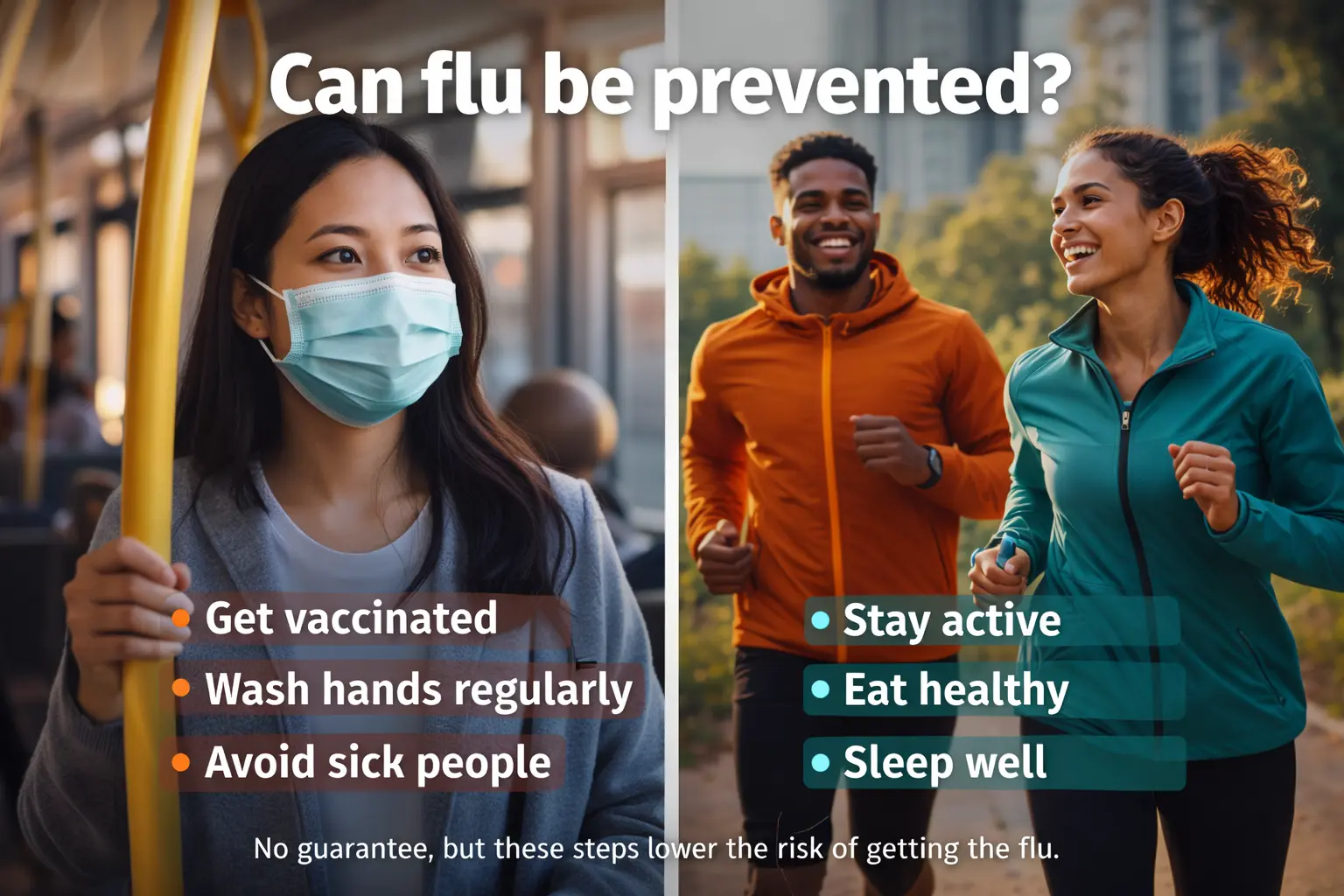
Influenza is a contagious respiratory virus that affects millions of people each year, particularly during seasonal outbreaks. The question of whether flu can be prevented is one of the most pressing health concerns for individuals across all age groups and life stages. While complete prevention is not always guaranteed, substantial evidence demonstrates that the risk of contracting flu and experiencing its complications can be significantly reduced through evidence-based strategies and practical daily habits.
Annual flu vaccination stands as the cornerstone of flu prevention, offering the most effective defense against seasonal strains. Vaccination works by preparing the immune system to recognize and fight the virus before exposure occurs. Beyond vaccination, numerous additional measures—including hand hygiene, respiratory etiquette, avoiding close contact with sick individuals, and maintaining clean surfaces—form a comprehensive approach to lowering transmission risk both in personal environments and within communities.
Flu prevention is not a one-size-fits-all endeavor. Different populations face varying levels of risk and require tailored prevention strategies. Young adults may prioritize practical daily habits and research-backed approaches, while seniors and women may benefit from understanding age-specific or gender-specific considerations that influence their vulnerability and prevention outcomes. Real-world experiences and honest assessments of what actually works help bridge the gap between scientific evidence and everyday application.
The distinction between reducing risk and achieving complete prevention is critical to understanding realistic expectations. While no prevention method offers absolute protection, combining vaccination with consistent preventive behaviors significantly diminishes the likelihood of infection and severity of illness if exposure does occur. This overview serves as a central resource linking to in-depth explorations of flu prevention across different demographic groups, examining both the science behind prevention methods and practical tactics that deliver measurable results.
This CDC page explains that annual flu vaccination is the most important way to reduce the risk of seasonal flu and its serious complications. It also outlines additional prevention steps such as avoiding close contact with sick people, covering coughs and sneezes, washing hands, and improving air quality. → Click here