You feel foggy, unmotivated, or stuck in habits that don’t serve you, and you’re starting to wonder if it’s about dopamine, but nobody’s really explaining the difference between fake versus real dopamine in a way that makes sense for where you are in life.
Understanding fake dopamine
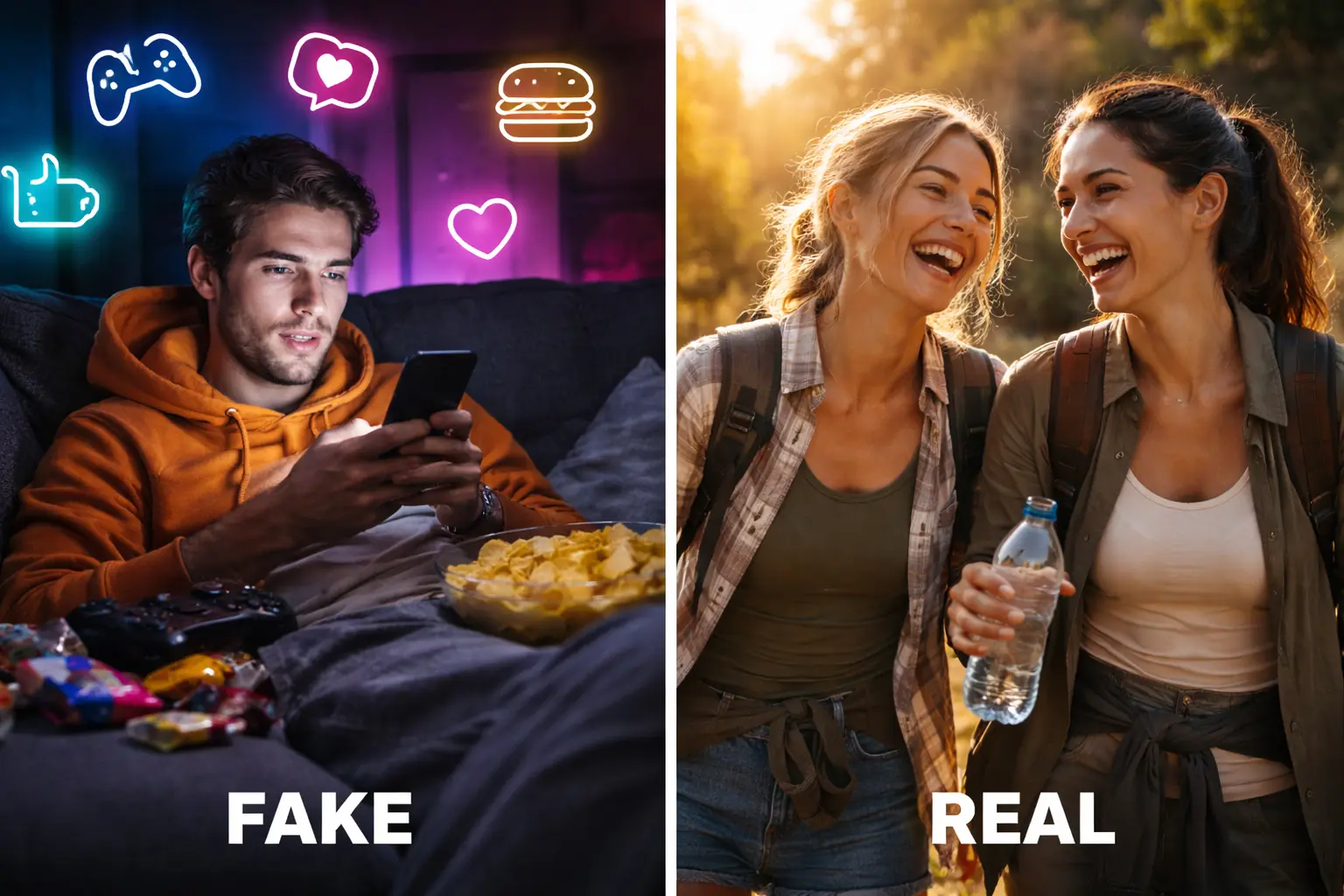
Fake dopamine refers to artificial substances and behaviors that trigger the brain’s reward system without providing genuine, lasting satisfaction. Think of it as a shortcut that floods your brain with pleasure signals, but leaves you depleted afterward. These sources include prescription medications misused, alcohol, gambling, processed foods high in sugar and salt, and even excessive screen time. When you consume fake dopamine sources, your brain gets tricked into believing it has achieved something rewarding, when in reality nothing meaningful has occurred. Over time, your brain adapts by requiring more of the same stimulus to feel the same effect. This is why someone might need stronger drinks, larger portions, or longer gaming sessions to achieve the same rush. For seniors specifically, fake dopamine can be particularly sneaky because it often masquerades as harmless pleasure or social engagement. A daily habit of sugary snacks, excessive television, or reliance on certain medications can quietly reshape your brain’s chemistry without you realizing the long-term cost.
- Fake dopamine can come from various sources like drugs, alcohol, gambling, or unhealthy food.
- Consuming fake dopamine excessively can lead to addiction, dependency, and negative health consequences.
- It is important to be aware of the difference between natural dopamine release and the synthetic effects created by fake substances.
Real dopamine and its importance
Real dopamine is a neurotransmitter your brain produces naturally, and it’s far more nuanced than the pleasure chemical you might have heard about. It’s actually the motivation molecule. Real dopamine drives you to pursue meaningful goals, sustain effort through challenges, and experience genuine satisfaction when you accomplish something. It regulates your mood, supports focus and memory, and even influences your physical movement and coordination. When your dopamine system works well, you feel energized to tackle a garden project, motivated to connect with family, or driven to learn something new. Real dopamine is released gradually and sustainably through activities like physical exercise, meaningful social connection, accomplishing small goals, creative pursuits, and helping others. Unlike fake dopamine’s quick spike and crash, real dopamine creates a steady sense of well-being and purpose. For seniors, maintaining healthy dopamine levels is linked to better cognitive function, improved mood, stronger motivation to stay active, and greater resilience against depression. The beauty of real dopamine is that it rewards you not just with pleasure, but with a sense of having actually done something worthwhile.
📘 Fix your day in under 2 minuteschoose where to begin:
Effects of fake dopamine on seniors
Seniors face unique vulnerabilities when it comes to fake dopamine exposure. Your brain’s dopamine receptors naturally decline with age, meaning your brain becomes less responsive to dopamine signals overall. This creates a dangerous paradox: you might seek out stronger fake dopamine sources to compensate, not realizing you’re actually making the problem worse. Consider a common scenario: a senior experiences mild depression or boredom, so they increase their consumption of sugary treats or spend more hours watching television. The temporary mood lift feels good, but it actually suppresses the brain’s ability to produce real dopamine naturally. Over weeks and months, motivation dwindles, energy drops, and genuine interest in activities fades. Additionally, seniors often take multiple medications, and some can interact with dopamine systems in unexpected ways. Alcohol consumption, which many seniors use to relax or socialize, disrupts dopamine balance and can accelerate cognitive decline. The stakes are higher too: fake dopamine habits in seniors can accelerate memory loss, increase fall risk due to reduced coordination, worsen depression, and isolate them further as motivation to engage socially disappears. Understanding these specific risks empowers you to make choices that protect your long-term health and independence.
Tips for managing dopamine levels
Managing your dopamine naturally requires a multi-faceted approach tailored to your life as a senior. Start with movement: even 20 minutes of walking, swimming, or gentle strength training triggers real dopamine release and improves mood for hours afterward. Pair this with purposeful nutrition by reducing processed foods and emphasizing whole foods rich in tyrosine, the amino acid your brain uses to make dopamine, like lean proteins, nuts, and leafy greens. Sleep is non-negotiable; poor sleep directly reduces dopamine production, so aim for 7 to 8 hours nightly with a consistent schedule. Set small, achievable goals each week, whether that’s mastering a new recipe, finishing a book chapter, or organizing a drawer. The completion of these goals triggers real dopamine and builds momentum. Strengthen social connections by scheduling regular calls, visits, or group activities; genuine human interaction is one of the most powerful dopamine activators available. Limit or eliminate fake dopamine sources gradually, not abruptly, to avoid withdrawal symptoms. Redirect habits: instead of reaching for sweets when bored, take a walk or call a friend. Practice gratitude daily by noting three things you accomplished or appreciated; this rewires your brain toward recognizing genuine rewards. Finally, consider activities that engage your mind, like puzzles, learning, or creative hobbies, which sustain dopamine through meaningful challenge and growth.
Seeking professional advice
If you suspect your dopamine levels are imbalanced or you’re struggling with dependency on fake dopamine sources, professional support is not just helpful, it’s essential. Start by scheduling an appointment with your primary care physician, who can review your medications, assess your overall health, and rule out underlying conditions like depression or thyroid dysfunction that mimic dopamine imbalance. Be honest about your habits: alcohol consumption, food choices, screen time, and any substances you use regularly. Your doctor might refer you to a neurologist or psychiatrist who specializes in dopamine-related issues, particularly if addiction is suspected. Don’t hesitate to ask about behavioral therapies like cognitive behavioral therapy, which helps rewire habits and thought patterns. If you’re struggling with substance dependency, many communities offer support groups specifically for older adults, where you can connect with peers facing similar challenges without judgment. Your healthcare provider can also recommend a registered dietitian to optimize your nutrition for dopamine production, or a physical therapist to design safe, effective exercise routines. Remember, seeking help is a sign of strength and self-awareness, not weakness. Many seniors successfully rebalance their dopamine systems with proper guidance and support, reclaiming their energy, motivation, and joy in daily life.
Dopamine, whether real or fake, plays a significant role in our daily lives. Understanding the differences and effects can help seniors make informed decisions to support their mental and physical well-being.
How can I differentiate between fake and real sources of dopamine?
Real sources of dopamine are naturally produced in the brain through activities like exercise, meditation, and social interactions. Fake dopamine, on the other hand, comes from external substances like drugs, alcohol, or processed foods.
Are there risks associated with fake dopamine for seniors?
Seniors are at a higher risk of negative consequences from fake dopamine due to age-related changes in brain function. Excessive consumption of artificial dopamine can lead to addiction, dependency, and overall health issues.
Others also read:
Disclaimer: This article is for informational purposes only and is not a substitute for professional medical advice. Always consult a healthcare professional for personal guidance.
This guide has been prepared and reviewed by the GlobalHealthBeacon editorial team and reflects current medical research as of 2026. It provides structured, evidence-based information to support informed health decisions.
