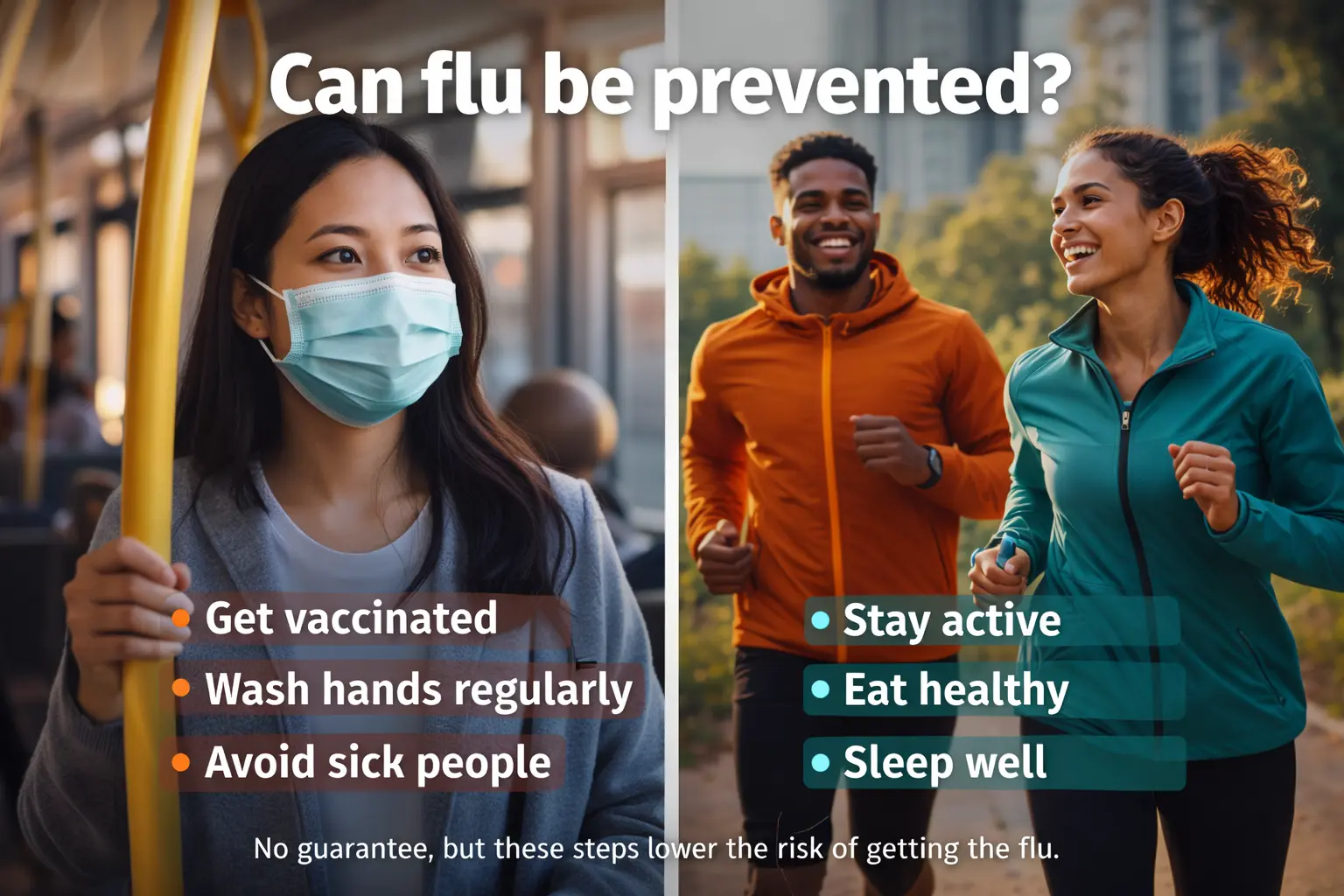
Tired of getting knocked out by the flu every season while everyone else seems fine? The truth is, can flu be prevented naturally, and it starts with understanding that your body needs real support, not just luck.
Boost your immune system
Your immune system is your first line of defense, and young adults often underestimate how much their daily choices affect it. Think of your body like a fortress: if you’re eating processed foods, skipping sleep, and sitting all day, you’re leaving the gates wide open. Start by loading your plate with colorful produce. A practical approach is to aim for at least three different colored vegetables at dinner, like orange sweet potatoes, dark leafy greens, and red bell peppers. These aren’t just pretty; they contain specific nutrients that activate your immune cells. Exercise doesn’t mean hitting the gym hard every day. A 30-minute walk, cycling, or even dancing to music counts. The key is consistency. Many young adults make the mistake of doing intense workouts sporadically, then burning out. Instead, find movement you actually enjoy so it becomes automatic. Sleep is where the real magic happens. Your body repairs itself and produces immune-fighting proteins while you rest. If you’re getting five or six hours because of work or social life, your immune system is running on fumes. Aim for that seven to nine-hour window, and notice how much sharper you feel and how fewer colds you catch.
- Eat a variety of colorful fruits and vegetables daily.
- Engage in at least 150 minutes of moderate-intensity exercise per week.
- Aim for 7-9 hours of quality sleep each night.
Practice good hygiene
Good hygiene sounds basic, but most young adults do it wrong or inconsistently. Handwashing isn’t just a quick rinse under water. You need soap and friction for at least 20 seconds, which is roughly the time it takes to sing Happy Birthday twice. The critical moments are before eating, after using the bathroom, after touching public surfaces, and before touching your face. Here’s where many people slip up: they wash their hands but then immediately touch their phone, face, or food with contaminated hands. Keep hand sanitizer in your bag or car for moments when soap and water aren’t available, especially during peak flu season. Your face is a gateway for the virus. Every time you touch your eyes, nose, or mouth without clean hands, you’re inviting infection. This habit is harder to break than it sounds, especially when you’re stressed or focused on work. Try keeping your hands busy with a stress ball or fidget tool, or set phone reminders during flu season. If you’re in a shared living space, wipe down high-touch surfaces like doorknobs, light switches, and remote controls regularly. One person getting sick doesn’t mean everyone has to.
📘 Fix your day in under 2 minuteschoose where to begin:
Get vaccinated
The flu vaccine is your most reliable defense, yet many young adults skip it because they feel invincible or believe old myths about vaccines. Here’s the reality: the flu vaccine doesn’t give you the flu. It trains your immune system to recognize the virus so when you encounter it in real life, your body knows exactly what to do. Effectiveness varies year to year because scientists have to predict which flu strains will circulate, and sometimes they’re spot-on, sometimes less so. But even in lower-effectiveness years, vaccination reduces your risk of severe illness and hospitalization. Getting vaccinated also protects people around you who can’t get vaccinated, like newborns or immunocompromised individuals. The timing matters too. Aim to get your flu shot in September or October, before flu season peaks in winter. If you miss that window, getting vaccinated in November or December still provides protection. Many workplaces, pharmacies, and clinics offer free or low-cost vaccines, so cost and access aren’t real barriers anymore. Think of vaccination as your insurance policy: you hope you never need it, but you’re grateful it’s there if you do.
Avoid close contact
During flu season, proximity matters. If someone near you is coughing or sneezing, the virus travels in droplets through the air. You don’t need to become a hermit, but being strategic about close contact reduces your risk significantly. If a coworker is visibly sick, ask if they can work from home or keep distance during meetings. If a friend is under the weather, suggest rescheduling your hangout rather than meeting in person. This isn’t rude; it’s smart. Many young adults feel obligated to show up even when sick or to spend time with sick friends, but this is how viruses spread through social circles. If you’re in a high-risk category, meaning you have a chronic condition, work in healthcare, or live with vulnerable people, being extra cautious is justified. During peak flu season, consider limiting time in crowded spaces like packed public transit or busy bars. If you must be in crowded environments, wearing a mask offers real protection, especially if others around you are coughing. The goal isn’t isolation; it’s intelligent risk management. You can still have a full social life while being mindful of exposure.
Stay informed
Flu information changes weekly during season, and staying updated helps you make smarter decisions about your health. The CDC website publishes real-time flu activity maps showing which strains are circulating in your region and how severe they are. Checking this during fall and winter takes five minutes but gives you crucial context. If a particularly aggressive strain is spreading in your area, you might prioritize vaccination more urgently or be extra cautious about exposure. Follow reputable sources like the CDC, WHO, or your local health department rather than social media, where misinformation spreads fast. You’ll see claims that certain supplements prevent flu or that vaccines cause serious side effects, but these don’t hold up under scientific scrutiny. Learning to distinguish credible sources from unreliable ones is a skill that serves you beyond just flu prevention. Talk to your doctor about your specific risk factors. If you have asthma, diabetes, or other conditions, your approach to flu prevention might differ from a healthy peer. Staying informed isn’t about becoming paranoid; it’s about being empowered to protect yourself and others with actual knowledge rather than fear or guesswork.
Preventing the flu as a young adult comes down to five interconnected strategies: strengthen your immune system through nutrition, exercise, and sleep; maintain consistent hygiene practices; get vaccinated annually; make smart choices about close contact during flu season; and stay informed through credible sources. None of these alone is a guarantee, but combined, they create a solid defense that keeps you healthy and reduces the chance you’ll spend weeks recovering from the flu.
Are flu vaccines effective for young adults?
Yes, flu vaccines are generally effective in preventing the flu and reducing the severity of symptoms in young adults. However, the effectiveness may vary depending on the strains circulating each year.
Can natural remedies prevent the flu?
While natural remedies may help boost your immune system, they are not a substitute for flu vaccines. It’s essential to combine natural approaches with vaccination for optimal protection.
Others also read:
Disclaimer: This article is for informational purposes only and is not a substitute for professional medical advice. Always consult a healthcare professional for personal guidance.
This guide has been prepared and reviewed by the GlobalHealthBeacon editorial team and reflects current medical research as of 2026. It provides structured, evidence-based information to support informed health decisions.
