Part of: Metabolic & Hormonal Health
The A1C test is a fundamental diagnostic tool used to measure average blood sugar levels over a two to three month period by assessing the percentage of hemoglobin molecules coated with glucose. Understanding what the A1C test measures and how to interpret results is essential for anyone concerned about diabetes risk, managing existing blood sugar control, or seeking clarity on their health status. This overview serves as a comprehensive guide to the science, application, and practical implications of A1C testing across different populations and life stages.
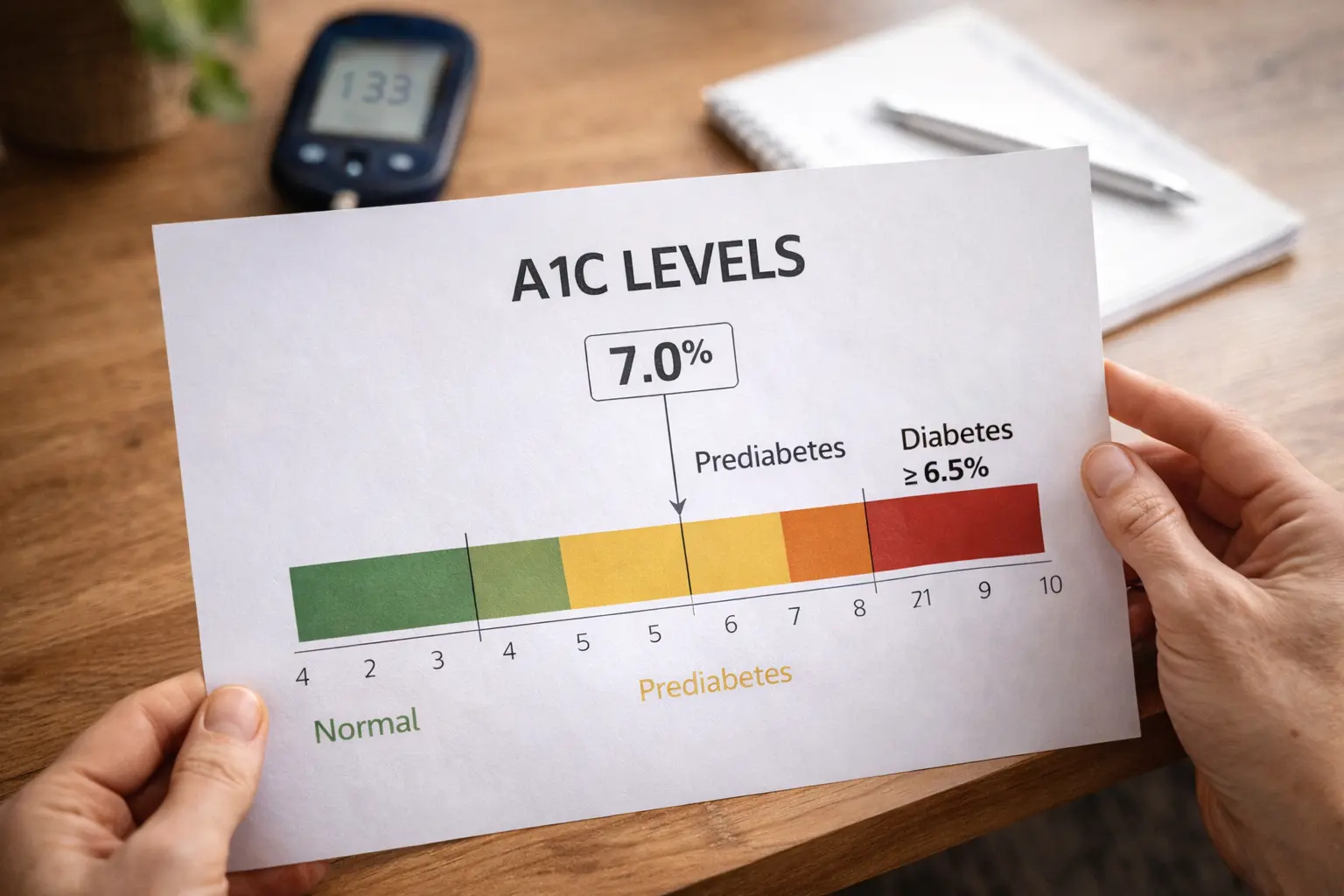
The A1C test differs from point-in-time blood sugar measurements by providing a longer-term perspective on glucose management. Rather than reflecting what blood sugar levels are at a single moment, the A1C value reveals patterns and trends over weeks and months, making it invaluable for both diagnosis and ongoing monitoring. Normal A1C levels, prediabetic ranges, and diabetic classifications each carry distinct implications for health outcomes and recommended interventions. Many users seek clarity on what their specific A1C results mean and how those values compare to established clinical standards.
This resource explores A1C testing from multiple angles, including the biochemistry underlying the test, how results are interpreted across different demographic groups, and evidence-based strategies for improving A1C outcomes. The collection addresses common questions about test frequency, the relationship between A1C and daily blood sugar readings, and whether A1C improvements are achievable within realistic timeframes. Real-world experiences and scientific explanations together provide both practical context and authoritative information.
Whether seeking foundational knowledge about how A1C testing works, guidance on interpreting personal results, or actionable steps to optimize blood sugar control, this collection of detailed articles delivers comprehensive coverage of the topic. The materials are structured to serve individuals at various life stages and with varying levels of prior knowledge, ensuring accessible yet rigorous exploration of A1C testing and its role in diabetes prevention and management.
Mayo Clinic explains how the A1C test measures average blood sugar over the past two to three months and how it is used to diagnose and monitor diabetes. → Click here