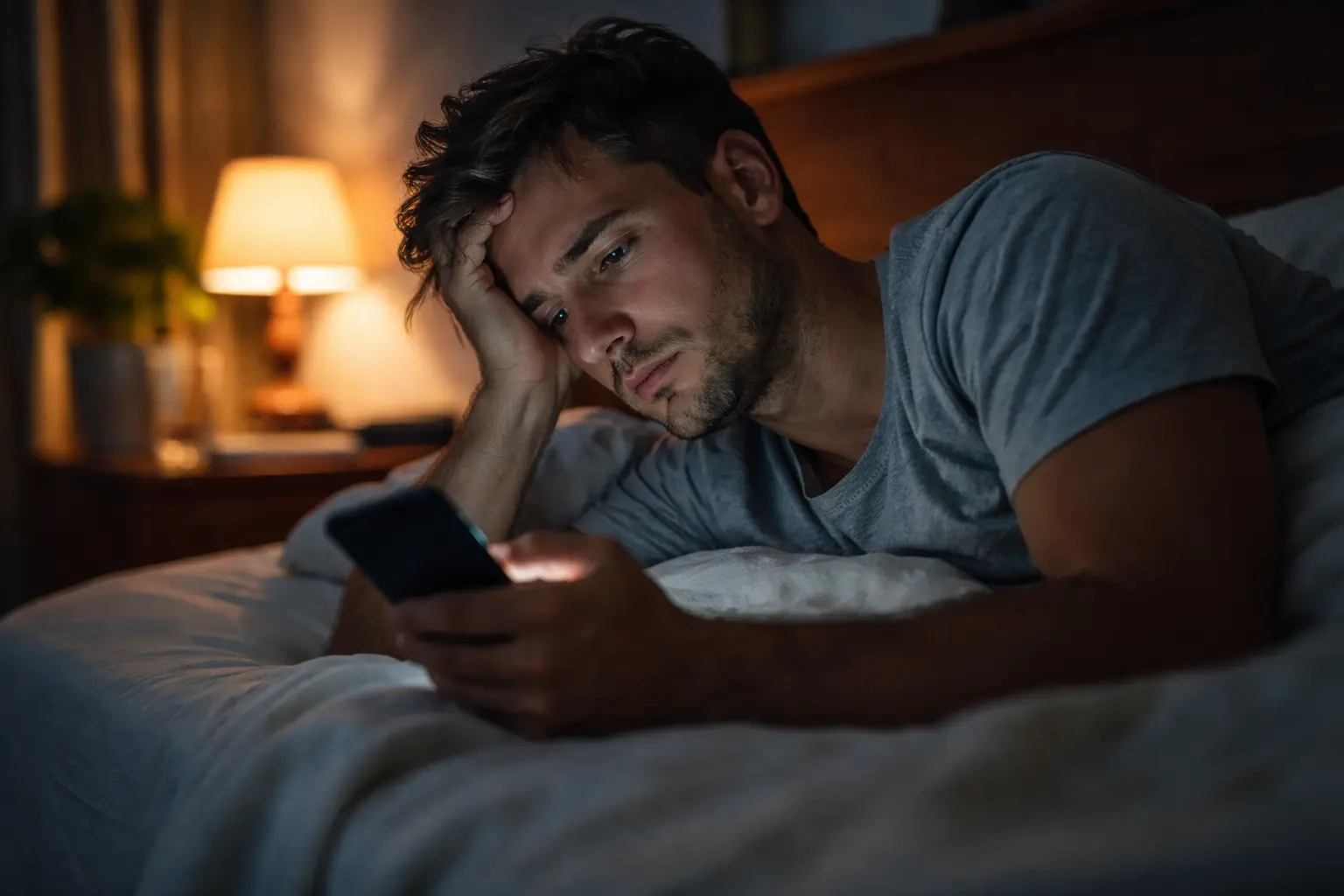
You wake up gasping for air at 3 AM, your chest tight, your mind foggy, and you wonder if something serious is happening to your body—that’s what untreated sleep apnea symptoms feel like, and you’re not alone in experiencing this frightening reality.
Recognizing symptoms
Sleep apnea often creeps up quietly, masking itself as normal aging. You might notice yourself jolting awake suddenly, your heart pounding, or your partner mentioning that you stopped breathing for a few seconds during the night. Loud snoring that echoes through the bedroom, gasping episodes that leave you disoriented, morning headaches that feel like a vice around your skull, and that crushing daytime drowsiness that makes you nod off during conversations or while reading are all red flags worth investigating. Some seniors describe it as feeling like they never truly sleep, even after eight hours in bed. Pay attention to subtle signs too: mood changes, difficulty concentrating, or waking up with a dry mouth. These aren’t just inconveniences; they’re your body’s way of signaling that something needs attention. Start noticing patterns in your sleep and energy levels.
- Monitor your sleep patterns and note any interruptions in breathing.
- Consider using a sleep diary to document your symptoms and share with your healthcare provider.
- Pay attention to your partner’s observations about your sleep habits.
Seeking medical evaluation
Once you recognize potential symptoms, scheduling an appointment with your primary care doctor or a sleep specialist becomes essential. Don’t minimize what you’re experiencing or assume it’s just part of getting older. Your doctor will ask detailed questions about your sleep quality, daytime fatigue, and any breathing interruptions your partner has noticed. They may recommend a sleep study, which can be done at a sleep clinic or even at home with portable equipment. During a sleep study, sensors monitor your breathing patterns, oxygen levels, heart rate, and sleep stages throughout the night. This objective data helps your doctor determine whether you have sleep apnea and how severe it is. The process takes time, but it’s the only reliable way to get a definitive diagnosis. Many seniors feel relieved once they finally have answers after months or years of confusion about why they feel so exhausted.
📘 Fix your day in under 2 minuteschoose where to begin:
Exploring treatment options
Treatment isn’t one-size-fits-all, and your doctor will tailor recommendations to your specific situation. CPAP therapy, which uses a mask and machine to gently push air into your airway while you sleep, is the gold standard and highly effective for most people. Some seniors find it uncomfortable at first, but modern masks are quieter and less intrusive than older versions. Oral appliances, custom-fitted mouthpieces that reposition your jaw to keep your airway open, work well for mild to moderate sleep apnea and feel less cumbersome than CPAP. Lifestyle changes like losing weight, sleeping on your side instead of your back, avoiding alcohol before bed, and quitting smoking can significantly reduce symptoms. In some cases, surgery to remove excess tissue or correct structural problems may be recommended. Your healthcare provider will discuss pros and cons of each option, considering your health history, preferences, and how severe your condition is. Many seniors benefit from a combination approach rather than relying on a single treatment.
Establishing healthy sleep habits
Beyond medical treatment, how you prepare for sleep matters tremendously. Create a consistent bedtime routine by going to bed and waking up at the same time every day, even on weekends, which helps regulate your body’s internal clock. Your bedroom should be cool, dark, and quiet, a sanctuary designed for sleep rather than a place where you watch television or worry about the day. Avoid caffeine after 2 PM and heavy meals within three hours of bedtime, as both can disrupt your sleep quality. Limit alcohol, which relaxes your throat muscles and worsens breathing interruptions. Consider elevating your head with an extra pillow or adjustable bed, which can help keep your airway more open. Some seniors find that gentle stretching or relaxation exercises before bed calm their nervous system. Avoid napping during the day, which might seem tempting when you’re exhausted, but it actually makes nighttime sleep worse. These habits work synergistically with medical treatment to improve your overall sleep quality and daytime functioning.
Monitoring progress
Starting treatment is just the beginning. Regular follow-up appointments, typically scheduled a few weeks after starting CPAP or other therapy, allow your doctor to assess how well treatment is working and whether adjustments are needed. Many CPAP machines record data about your usage and effectiveness, which your doctor can review to fine-tune settings. Be honest about challenges you’re facing, whether it’s difficulty tolerating your mask, side effects, or persistent fatigue despite treatment. These conversations help your doctor problem-solve with you rather than leaving you struggling silently. Some seniors need time to adjust psychologically to using medical devices nightly, and that’s completely normal. Keep a simple log of how you feel: your energy levels, sleep quality, and any remaining symptoms. Over weeks and months, you should notice improvements in daytime alertness, mood, and overall health. If you’re not seeing progress after several weeks, don’t give up; your treatment plan might need tweaking. Consistent monitoring and communication with your healthcare team are what transform sleep apnea from a frustrating mystery into a manageable condition.
Recognizing common symptoms, seeking medical evaluation, exploring treatment options, establishing healthy sleep habits, and monitoring progress are key steps in addressing sleep apnea symptoms effectively.
How common are sleep apnea symptoms in seniors?
Sleep apnea symptoms are prevalent among seniors, with studies showing a higher prevalence among older adults. It’s essential for seniors to be aware of these symptoms and seek appropriate medical evaluation.
Can untreated sleep apnea lead to complications?
Untreated sleep apnea can lead to various health complications, including high blood pressure, heart disease, and stroke. It is important to address sleep apnea symptoms promptly to reduce the risk of these adverse outcomes.
Others also read:
Disclaimer: This article is for informational purposes only and is not a substitute for professional medical advice. Always consult a healthcare professional for personal guidance.
This guide has been prepared and reviewed by the GlobalHealthBeacon editorial team and reflects current medical research as of 2026. It provides structured, evidence-based information to support informed health decisions.
