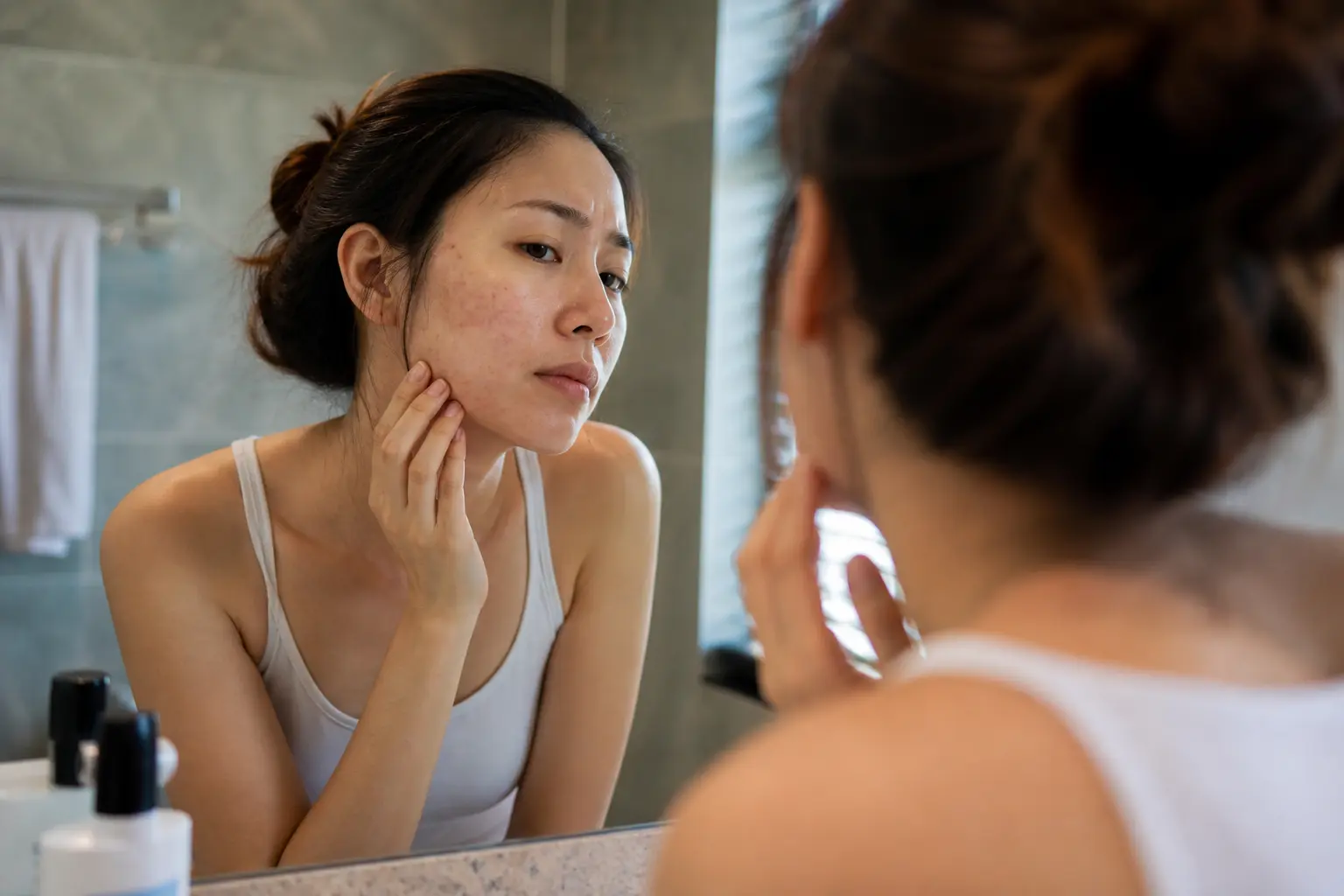
You wake up, look in the mirror, and there it is again – another breakout right when you need your skin to cooperate – and nobody tells you that the real culprit might be hiding in your gut health skin connection, not just on your face.
Understanding the gut-skin axis
Think about the last time you felt stressed or ate something that didn’t sit right with your stomach. Chances are, a few days later, you noticed a new pimple or two. That’s not coincidence. Your gut and skin are in constant conversation through what scientists call the gut-skin axis, and when your gut is struggling, your skin pays the price. Inside your digestive system lives trillions of bacteria called your microbiome. When these bacteria are balanced and thriving, they keep inflammation down, regulate your hormones, and support your immune system. But when things go wrong – whether from antibiotics, processed foods, or chronic stress – that delicate balance crumbles. Your gut becomes inflamed, harmful bacteria multiply, and suddenly your skin starts breaking out. It’s like your body is sending an SOS signal through your pores.
- Healthy gut flora can reduce inflammation in the body, reducing the likelihood of acne flare-ups.
- Poor gut health may lead to increased levels of certain hormones that can trigger acne breakouts.
- Balancing your gut microbiome through diet and lifestyle changes can have a positive impact on your skin’s health.
Foods that support gut health and clear skin
You don’t need fancy supplements or expensive treatments to start healing your gut. Real food works. Picture this: you swap your usual breakfast of refined carbs for a bowl of Greek yogurt topped with berries and a drizzle of honey. That yogurt contains live probiotics that replenish the good bacteria your gut desperately needs. Add some sauerkraut or kimchi to your lunch, and you’re introducing even more beneficial microbes. Meanwhile, those berries and leafy greens you’re eating are packed with antioxidants that fight the oxidative stress contributing to your acne. Fatty fish like salmon gives you omega-3s that calm inflammation throughout your body, including in your skin. Even simple swaps matter: choosing whole grains over white bread, drinking more water, eating more vegetables. These aren’t dramatic changes, but they compound over time.
💬 Ready to feel better in 2 minutes?choose where to begin:
Stress management for skin health
Here’s something most acne advice misses: your stress levels directly impact your gut bacteria and your skin. When you’re stressed, your body floods itself with cortisol, a hormone that disrupts your gut lining and triggers inflammation. You’ve probably noticed this yourself. During exam week or after a rough breakup, your skin flares up. It’s not random. The good news is that managing stress actively repairs both your gut and your skin. Meditation doesn’t have to be complicated. Even five minutes of deep breathing before bed can calm your nervous system. Exercise works wonders too, whether it’s a walk, yoga, or hitting the gym. These activities reduce cortisol, improve blood flow, and help your gut bacteria thrive. Some people find that journaling or talking to friends helps them process stress. Others prefer creative outlets like music or art. The key is finding what actually works for you and doing it consistently, not just when your skin is already breaking out.
Seeking professional guidance
You’ve tried the diet changes, you’re managing stress better, but your skin still isn’t cooperating. That’s when professional help becomes valuable. A dermatologist can look at your specific situation and determine whether your acne is truly connected to your gut health or if something else is going on. They might recommend testing for food sensitivities, checking your hormone levels, or exploring whether you have underlying conditions like SIBO or leaky gut. A functional medicine practitioner or nutritionist can dive deeper into your dietary patterns and recommend a personalized plan based on your unique microbiome. Some people benefit from specific supplements like probiotics or prebiotics, but these should be chosen carefully based on your individual needs. The point is, you don’t have to figure this out alone through trial and error. Professional guidance can save you months of frustration and point you toward solutions that actually address your root cause.
Understanding the gut-skin connection is crucial for young adults struggling with acne. By addressing gut health through diet, stress management, and professional guidance, you can potentially improve your skin from the inside out.
Can gut health really impact acne?
Yes, research suggests that imbalances in gut health can contribute to skin issues like acne by triggering inflammation and hormonal changes.
How long does it take to see improvements in skin by focusing on gut health?
Results may vary, but some individuals notice improvements in their skin within a few weeks to a few months of adopting gut-friendly habits.
Others also read:
Disclaimer: This article is for informational purposes only and is not a substitute for professional medical advice. Always consult a healthcare professional for personal guidance.
This article presents an experience-based perspective and has been reviewed by the GlobalHealthBeacon editorial team in 2026. It provides structured, evidence-based information to support informed health decisions.
