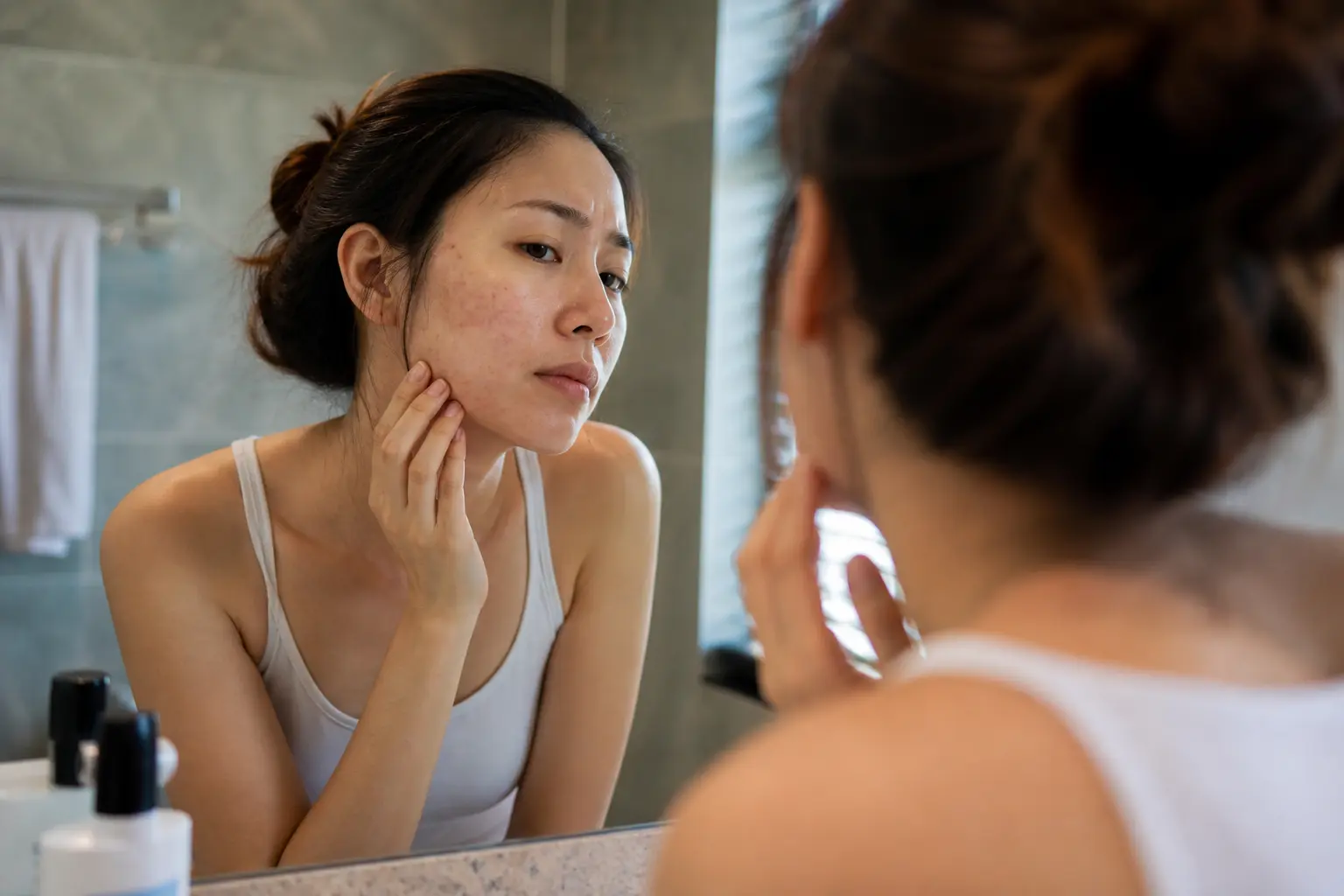
Your skin feels dry, itchy, and inflamed no matter what creams you slather on, and nobody tells you the real culprit might be hiding in your gut health skin connection, not your bathroom cabinet.
Understanding the gut-skin axis
The gut-skin axis represents a fascinating two-way communication system that scientists have been studying for over a decade. Think of your gut as a bustling city with trillions of bacterial residents, each playing a specific role in maintaining your health. When these microorganisms are in balance, they produce compounds that strengthen your intestinal barrier and regulate your immune system. However, when this balance shifts, what researchers call dysbiosis, inflammatory signals can travel through your bloodstream and manifest on your skin. For seniors, this connection becomes even more pronounced because the gut microbiome naturally changes with age, becoming less diverse and more prone to imbalance. Studies published in peer-reviewed journals have documented how specific bacterial strains influence skin inflammation, barrier function, and even the appearance of age spots and wrinkles. The bidirectional nature means your skin condition can also send signals back to your gut, creating either a positive or negative feedback loop depending on your overall health habits.
Connection to senior skin conditions
As you age, your skin faces a perfect storm of challenges that many seniors recognize all too well. Dryness becomes relentless, inflammation flares up unpredictably, and conditions like eczema or rosacea can suddenly worsen without obvious external triggers. What many dermatologists now understand is that these visible skin problems often reflect what is happening beneath the surface in your digestive system. When your gut microbiome becomes imbalanced, it triggers an inflammatory cascade that weakens your skin barrier, the protective layer that keeps moisture in and irritants out. Your gut’s immune cells, which make up about 70 percent of your entire immune system, can become overactive and send inflammatory molecules called cytokines directly to your skin. Seniors with compromised gut health often report that their skin conditions improve dramatically once they address the underlying microbial imbalance. Research has shown that seniors with conditions like atopic dermatitis frequently have reduced bacterial diversity in their guts compared to those with healthy skin, suggesting a direct mechanistic link worth investigating with your healthcare provider.
Impact of diet and lifestyle
Your daily choices about what you eat and how you live create the foundation for both gut health and skin vitality, and the good news is that you have more control than you might think. A fiber-rich diet feeds the beneficial bacteria in your gut, allowing them to produce short-chain fatty acids that reduce inflammation throughout your body, including in your skin. When you consume fermented foods like yogurt, kefir, sauerkraut, or kimchi, you are introducing live beneficial bacteria directly into your system, though the effectiveness varies based on your individual microbiome composition. Prebiotics, found in foods like garlic, onions, asparagus, and bananas, act as fertilizer for your existing good bacteria, helping them thrive and multiply. Beyond diet, stress management becomes crucial because chronic stress elevates cortisol levels, which can disrupt your gut barrier and trigger skin flare-ups. Dehydration is another often-overlooked culprit that seniors frequently underestimate, as your thirst mechanism naturally diminishes with age, yet your skin barrier still requires adequate water to function optimally. Physical activity, even gentle daily walks, can increase bacterial diversity in your gut within weeks, creating visible improvements in skin texture and tone.
- Incorporate fermented foods like yogurt and kimchi into your diet.
- Consume plenty of fruits, vegetables, and whole grains for fiber intake.
- Stay hydrated by drinking an adequate amount of water daily.
- Practice stress-reducing activities like meditation or yoga.
- Consult a healthcare provider for personalized advice on gut health and skin care.
🔬 Science-backed benefits in 2 minuteschoose where to begin:
Nutritional supplements and skin health
While food should always be your primary source of nutrients, certain supplements have accumulated solid scientific evidence for supporting senior skin health through their effects on gut function and inflammation. Omega-3 fatty acids, particularly those derived from fish oil or algae, have been shown in multiple clinical trials to reduce skin inflammation and support the integrity of your skin barrier by decreasing pro-inflammatory molecules. Vitamin D plays a dual role, strengthening your gut barrier while simultaneously regulating immune responses that can trigger skin conditions like psoriasis or eczema. Collagen supplements have gained attention recently, with some research suggesting that specific types can improve skin hydration and elasticity in seniors, though results vary considerably between individuals. Probiotics come in hundreds of different strains, and not all are equally effective for skin health, which is why working with a healthcare provider to select the right formulation for your specific condition matters significantly. Zinc supports both gut barrier function and skin healing, making it particularly relevant if you have inflammatory skin conditions. The timing and quality of supplements matter tremendously, as many over-the-counter products lack the potency or strain specificity needed to produce measurable results, underscoring the importance of professional guidance before starting any new regimen.
Maintaining a healthy gut microbiome
Creating a stable, diverse gut microbiome is not a one-time fix but rather an ongoing commitment to habits that compound over months and years, producing increasingly visible benefits for your skin. Regular physical activity, even moderate exercise like walking or swimming three to four times weekly, has been demonstrated to increase bacterial diversity within weeks, with corresponding improvements in skin clarity and tone. Sleep quality directly influences your gut barrier function and immune regulation, so prioritizing seven to nine hours nightly becomes a legitimate skin care strategy, not just general wellness advice. Avoiding smoking and excessive alcohol consumption protects your gut lining from damage and prevents the dysbiosis that so often accompanies these habits in seniors. Antibiotic use, while sometimes necessary, can devastate your gut microbiome for months afterward, so discussing alternatives with your doctor and using probiotics strategically during and after antibiotic courses makes practical sense. Consistency matters more than perfection, meaning that establishing sustainable habits you can maintain for years produces far better results than intense short-term efforts followed by regression. Many seniors find that tracking their skin improvements alongside their lifestyle changes provides motivation to continue these habits, creating a positive feedback loop where visible skin benefits reinforce commitment to gut health practices.
Clinical research and future directions
The scientific community has shifted dramatically in recent years, moving from skepticism about the gut-skin connection to active investigation of its mechanisms and therapeutic applications. Researchers are currently mapping which specific bacterial strains most directly influence skin conditions in aging populations, with preliminary findings suggesting that seniors may benefit from personalized probiotic formulations based on their individual microbiome composition. Advanced imaging techniques and genetic sequencing have revealed that the gut barrier dysfunction in seniors with inflammatory skin conditions follows predictable patterns, opening doors for targeted interventions. Clinical trials are underway exploring whether fecal microbiota transplantation, a procedure that transfers healthy gut bacteria from donors to patients, might help seniors with severe, treatment-resistant skin conditions. The emerging field of psychobiotics investigates how specific bacterial strains influence mood and stress hormones, which in turn affect skin health, suggesting that mental health support and gut health are inseparable for seniors. Future therapies may include customized bacterial cocktails designed specifically for aging skin, metabolite supplementation to replace compounds your aging gut produces less efficiently, and combination approaches that address both gut and skin simultaneously. Understanding these complex relationships now positions you to benefit from innovations that will undoubtedly emerge as this research accelerates.
The scientific evidence increasingly demonstrates that senior skin health cannot be separated from gut health, with the bidirectional gut-skin axis influencing everything from inflammation levels to barrier function. By adopting a fiber-rich diet, incorporating fermented foods, managing stress, staying hydrated, and maintaining consistent physical activity, you create the conditions for a thriving microbiome that reflects positively on your skin. Supplements like omega-3 fatty acids and vitamin D may provide additional support when chosen carefully and used under professional guidance. Ongoing research continues to reveal new mechanisms and potential treatments, suggesting that the future of senior skin care lies not in topical products alone but in comprehensive approaches that address the root causes of aging skin. Taking action now to support your gut health represents an investment in your skin’s appearance and your overall wellbeing for years to come.
Can improving gut health really enhance senior skin?
Yes, scientific evidence strongly suggests that a healthy gut can positively impact senior skin by reducing inflammation, strengthening the skin barrier, and supporting immune regulation. The gut-skin axis operates bidirectionally, meaning improvements in your microbiome composition and barrier function translate relatively quickly into visible skin improvements. Many seniors report clearer, more hydrated skin within four to eight weeks of implementing gut-supporting dietary and lifestyle changes, though individual timelines vary based on the severity of initial dysbiosis and your age-related microbiome characteristics.
Are probiotics beneficial for senior skin health?
Probiotics can help maintain a healthy gut microbiome, which may translate to improved skin health in seniors by reducing inflammatory signaling and strengthening intestinal barrier function. However, individual responses to probiotics vary considerably because everyone’s microbiome is unique, and not all probiotic strains provide equal benefits for skin. The most effective approach involves consulting a healthcare provider who can recommend specific strains backed by research for your particular skin condition, rather than selecting generic over-the-counter products that may not address your specific microbial imbalances.
Others also read:
Disclaimer: This article is for informational purposes only and is not a substitute for professional medical advice. Always consult a healthcare professional for personal guidance.
This article has been prepared and reviewed by the GlobalHealthBeacon editorial team and is based on current medical research and published scientific literature available in 2026. It provides structured, evidence-based information to support informed health decisions.
