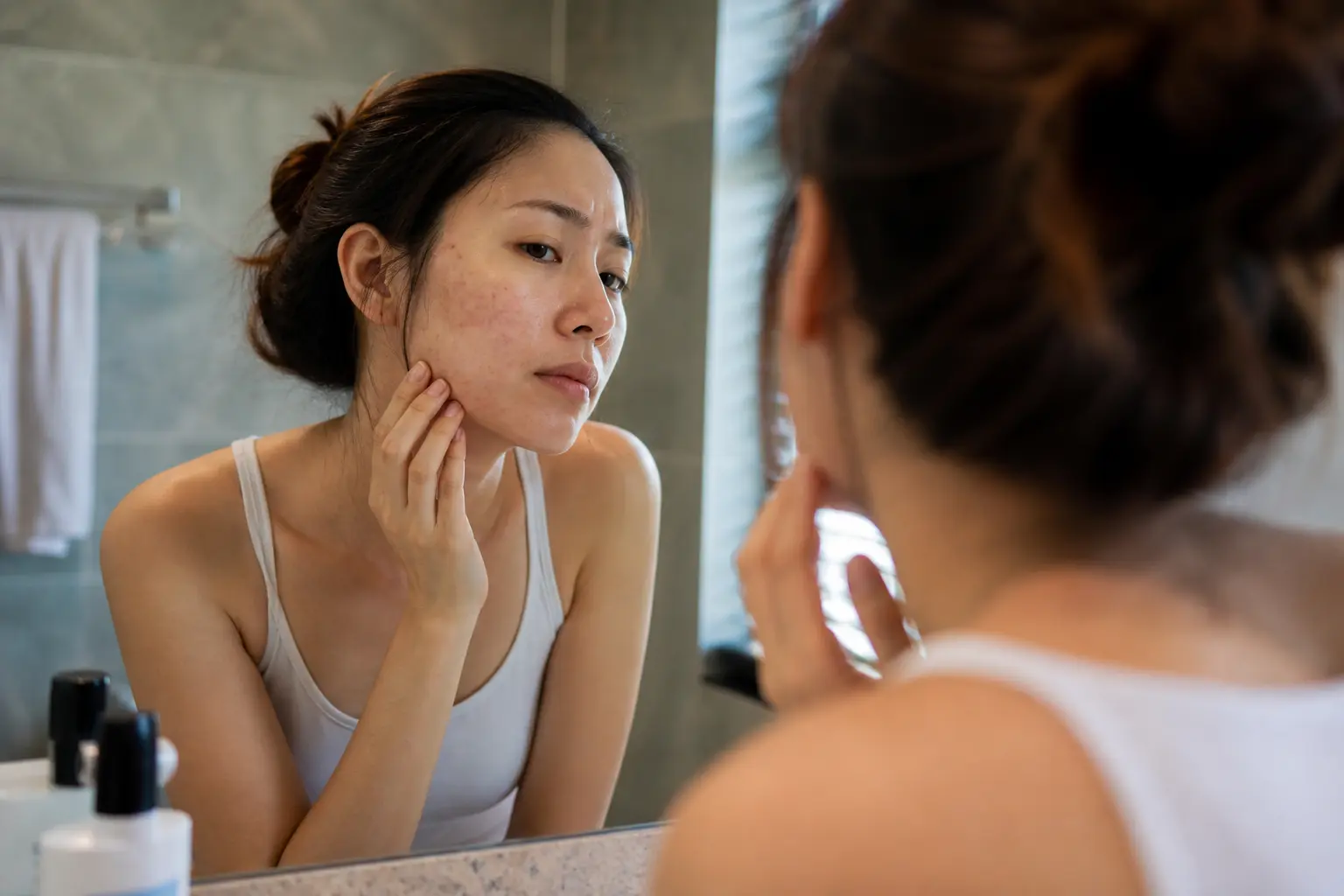
You wake up with a fresh breakout, your skin feels inflamed and reactive, and no amount of expensive creams seem to fix it because the real problem might be hiding in your gut health skin connection, not on your face.
Understanding gut health and skin interplay
The gut-skin axis represents a fascinating bidirectional communication system where your digestive tract and skin are in constant dialogue. When your gut microbiota becomes imbalanced, a condition called dysbiosis, it triggers a cascade of inflammatory responses that can manifest directly on your skin. Consider Sarah, a 42-year-old woman who struggled with persistent acne for years. After addressing her gut health through dietary changes, her skin cleared within weeks. This happens because an unhealthy gut barrier allows bacterial lipopolysaccharides to enter the bloodstream, triggering systemic inflammation that weakens your skin barrier function. The gut-skin axis explains why conditions like acne, eczema, rosacea, and psoriasis often improve when gut health is restored. Your intestinal lining acts as a gatekeeper, and when it becomes compromised, it sets off a chain reaction affecting skin health. Understanding this connection shifts the focus from treating skin symptoms alone to addressing the root cause within your digestive system.
Gut microbiota diversity and skin health
A thriving gut microbiota contains hundreds of different bacterial species working in harmony to support your immune system, nutrient absorption, and skin health. Microbial diversity acts like a safety net, ensuring that if one species declines, others can compensate and maintain balance. Women with diverse gut bacteria tend to have fewer inflammatory skin conditions because beneficial bacteria produce short-chain fatty acids like butyrate, which strengthen the intestinal barrier and reduce inflammation. Probiotics, the live beneficial bacteria found in fermented foods like yogurt and kefir, and prebiotics, the fiber that feeds these bacteria, work synergistically to restore microbial diversity. When you consume foods rich in inulin, fructooligosaccharides, and resistant starch, you’re essentially fertilizing your gut garden. This nourishment allows beneficial bacteria to flourish, which in turn enhances your skin barrier function and reduces inflammatory responses. Women often notice clearer, more resilient skin within four to eight weeks of improving their microbial diversity through targeted dietary choices.
The impact of diet on gut and skin health
Your diet is the most direct lever you have to influence both gut and skin health simultaneously. Fiber-rich foods like legumes, berries, and leafy greens feed beneficial bacteria and promote regular bowel movements, which prevents the reabsorption of toxins and hormonal metabolites that can trigger skin flares. Conversely, high-sugar and ultra-processed foods feed harmful bacteria like Firmicutes, which produce lipopolysaccharides that cross a compromised gut barrier and inflame your skin. Imagine your gut lining as a selective bouncer at a club, letting good molecules in while keeping harmful ones out. When you eat processed foods regularly, that bouncer gets tired and starts letting the wrong crowd through. Hydration plays an equally critical role because water supports kidney function, allowing your body to excrete waste through urine rather than pushing it out through your skin. Women who increase their water intake to at least 2.5 liters daily often report improved skin clarity and reduced breakout frequency. The synergy between fiber intake, reduced sugar consumption, and adequate hydration creates an internal environment where your skin can truly flourish.
- Include plenty of fruits, vegetables, and whole grains in your diet, aiming for at least 30 grams of fiber daily from diverse sources.
- Limit consumption of high-sugar and processed foods, reading labels carefully to identify hidden sugars in seemingly healthy products.
- Drink an adequate amount of water daily to support gut and skin health, adjusting intake based on activity level and climate.
🔬 Science-backed benefits in 2 minuteschoose where to begin:
Stress, gut health, and skin conditions
Chronic stress activates your sympathetic nervous system, the fight-or-flight response, which diverts blood away from digestion and toward muscles and vital organs. This prolonged state of alert causes your gut barrier to become more permeable, a phenomenon researchers call leaky gut, allowing bacterial endotoxins to enter your bloodstream. Simultaneously, stress hormones like cortisol suppress immune function and increase sebum production, creating the perfect storm for skin inflammation. Women often experience stress-triggered skin flares before important events, interviews, or during demanding work periods. This isn’t coincidence, it’s biology. Practices like yoga, meditation, and deep breathing exercises activate your parasympathetic nervous system, the rest-and-digest response, which restores normal digestive function and reduces inflammatory markers in your blood. Even fifteen minutes of daily meditation has been shown to lower cortisol levels and improve skin conditions within weeks. Progressive muscle relaxation, where you systematically tense and release muscle groups, provides another accessible tool for stress management. By addressing stress through these evidence-based practices, you’re not just calming your mind, you’re literally healing your gut lining and reducing the inflammatory signals that reach your skin.
The link between gut health and skin aging
Collagen, the protein responsible for skin elasticity and firmness, depends on a healthy gut for optimal synthesis. Your body produces collagen from amino acids, particularly glycine and proline, which are absorbed more efficiently when your gut barrier is intact and your microbiota is balanced. A healthy gut microbiota produces metabolites that support fibroblast function, the cells responsible for collagen production. Women with dysbiosis often notice accelerated skin aging, including increased fine lines, loss of elasticity, and a dull complexion, because their bodies cannot efficiently synthesize and maintain collagen. Additionally, dysbiosis increases systemic inflammation, which activates matrix metalloproteinases, enzymes that break down existing collagen faster than your body can replace it. This creates a double problem: less collagen production and faster collagen degradation. By restoring gut health through diet, stress management, and targeted supplementation, women can slow these aging processes at the cellular level. Studies show that women who improve their gut microbiota diversity experience visible improvements in skin texture and firmness within three to six months, suggesting that true anti-aging begins in the digestive tract.
Skin care practices to support gut health
While internal factors drive most skin health, your external skincare routine plays a supporting role in the gut-skin connection story. Harsh, stripping cleansers and irritating products damage your skin barrier, triggering inflammation that signals distress to your immune system and can worsen existing gut dysbiosis. Gentle, pH-balanced skincare products that support your skin barrier function reduce overall inflammatory load on your body, allowing your immune system to focus on healing your gut. Sun protection is equally important because UV damage accelerates collagen breakdown and increases oxidative stress, which can worsen both skin and gut inflammation. Women who adopt a consistent, minimalist skincare routine focused on barrier support often find that their skin becomes more resilient and less reactive, even before addressing gut health directly. The synergy works both ways: a healthy gut supports skin healing, and a protected, well-maintained skin barrier reduces the inflammatory signals that can compromise gut function. Think of skincare as the external complement to your internal gut-healing efforts, creating a comprehensive approach to skin wellness.
The gut health skin connection represents a scientifically validated pathway to clearer, more youthful skin that begins with understanding how your digestive system influences your complexion. By nurturing microbial diversity through fiber-rich foods, managing stress through evidence-based practices, staying adequately hydrated, and supporting your skin barrier with gentle skincare, you address skin issues at their source rather than just treating symptoms. This integrated approach recognizes that your skin reflects your internal health, and true skin transformation happens when you heal from within.
Can gut health impact skin conditions?
Yes, dysbiosis and an impaired gut barrier allow bacterial endotoxins to enter your bloodstream, triggering systemic inflammation that manifests as acne, eczema, rosacea, and psoriasis. A healthy gut microbiota produces anti-inflammatory metabolites that protect your skin barrier and reduce breakout frequency.
How can I support both my gut and skin health?
Consume at least 30 grams of daily fiber from diverse plant sources, limit sugar and processed foods, drink 2.5 liters of water daily, manage stress through meditation or yoga, protect your skin from UV damage, and use gentle, barrier-supporting skincare products. These practices work synergistically to restore gut health and improve skin clarity within four to twelve weeks.
Others also read:
Disclaimer: This article is for informational purposes only and is not a substitute for professional medical advice. Always consult a healthcare professional for personal guidance.
This article has been prepared and reviewed by the GlobalHealthBeacon editorial team and is based on current medical research and published scientific literature available in 2026. It provides structured, evidence-based information to support informed health decisions.
