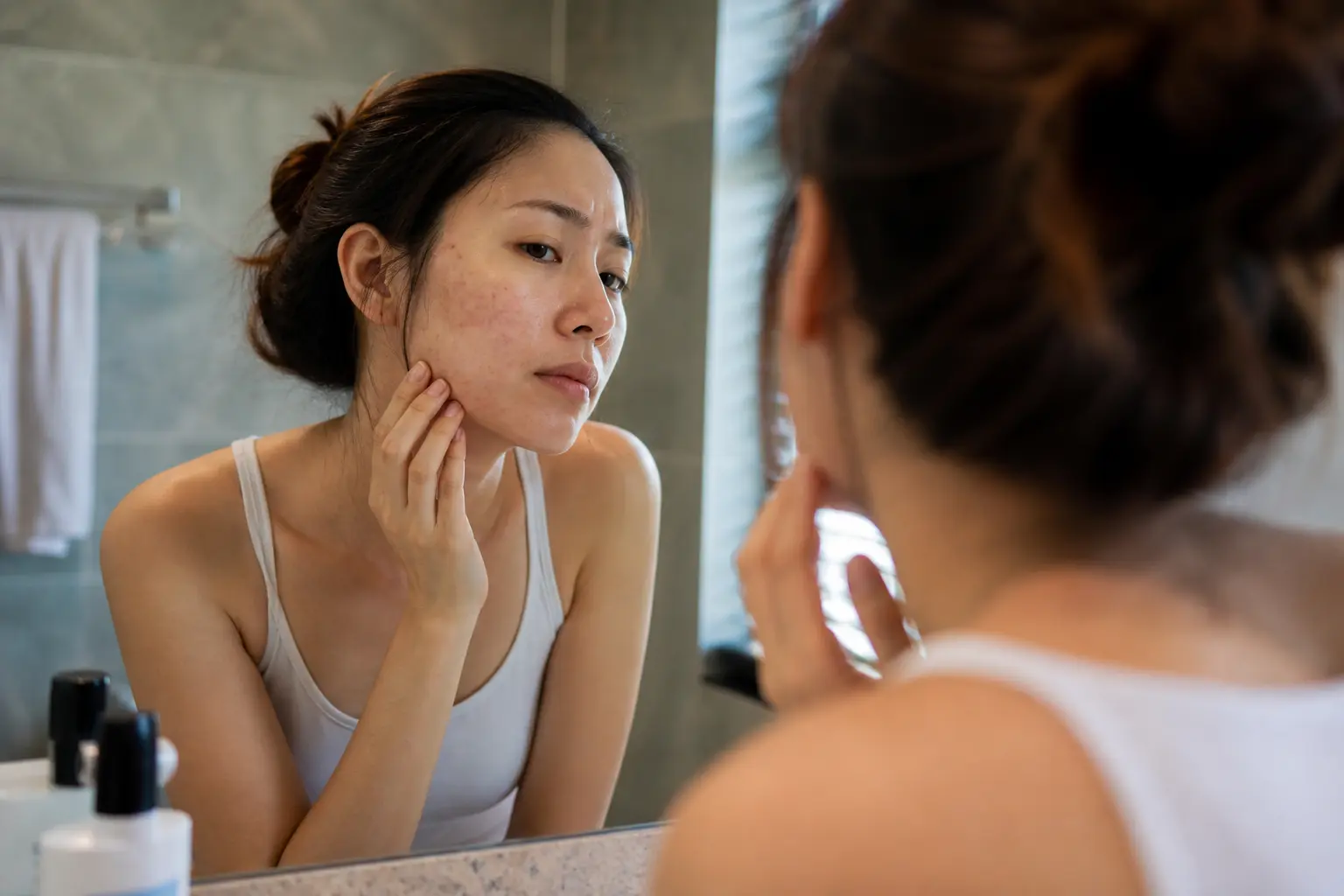
You’re doing everything right for your skin, yet breakouts keep showing up, redness won’t fade, and nothing seems to stick—but what if the real problem isn’t your skincare routine at all, but what’s happening in your gut? The gut health skin connection is the missing piece most women never discover.
Eating right for clear skin
Your skin reflects what you feed your body, and this is where most women hit a turning point. Think of your digestive system as the foundation of your complexion. When you nourish yourself with whole foods, you’re sending a direct message to your skin cells that says ‘heal and regenerate.’ Start by building meals around colorful produce, lean proteins, and whole grains. A practical example: instead of grabbing a sugary afternoon snack, reach for a handful of almonds with berries. That simple swap reduces inflammatory spikes that trigger breakouts. Processed foods and refined sugars create inflammation in your gut, which then manifests as acne, redness, or dullness on your face. Many women notice within two weeks of cutting back on processed foods that their skin looks clearer and feels smoother. The key is consistency, not perfection. You don’t need to overhaul everything overnight. Start by replacing one processed item per day with a whole food alternative, and watch how your skin responds.
- Load up on antioxidants from colorful produce to combat free radicals and promote skin healing.
- Stay hydrated by drinking plenty of water throughout the day to keep your skin hydrated and glowing.
- Incorporate omega-3 fatty acids from sources like salmon and walnuts to reduce inflammation and support skin health.
Balancing your gut microbiome
Your gut is home to trillions of bacteria that either support or sabotage your skin health. A balanced microbiome acts like a protective shield for your complexion. When your gut bacteria are diverse and thriving, they help regulate inflammation, strengthen your intestinal barrier, and even influence hormone levels that affect breakouts. Start introducing probiotic-rich foods like yogurt, kefir, sauerkraut, and kombucha into your daily routine. These contain live beneficial bacteria that repopulate your gut. Pair them with prebiotic foods like garlic, onions, asparagus, and bananas, which feed the good bacteria already living inside you. A practical scenario: a woman struggling with hormonal acne adds a small serving of sauerkraut to her lunch and a cup of kefir to her breakfast. Within four to six weeks, her hormonal breakouts decrease noticeably because her gut is better equipped to process and eliminate excess hormones. The mistake many women make is expecting overnight results or consuming probiotics inconsistently. Gut healing is gradual. Aim for small, regular doses of fermented foods rather than occasional large amounts.
📘 Fix your day in under 2 minuteschoose where to begin:
Stress management for clear skin
Stress doesn’t just feel bad; it directly damages your skin through the gut-brain-skin axis. When you’re stressed, your body releases cortisol, which triggers inflammation in your gut and disrupts your microbiome balance. This inflammation then travels to your skin, causing breakouts, sensitivity, and premature aging. Many women experience a sudden flare-up of acne during high-stress periods like work deadlines or relationship challenges. The connection is real and measurable. Introduce stress reduction practices that fit into your actual life, not just what sounds good in theory. If meditation feels forced, try a 10-minute walk outside instead. If yoga doesn’t appeal to you, put on music and dance in your living room. Deep breathing exercises are surprisingly effective: inhale for four counts, hold for four, exhale for six. Do this three times before meals to calm your nervous system and improve digestion. A woman who started a daily 15-minute breathing practice noticed her skin became visibly calmer within two weeks. The key is finding what genuinely relaxes you and doing it consistently, not what you think you should do.
Beauty sleep for healthy skin
Sleep is when your body does its deepest repair work, and your skin is no exception. During deep sleep, your body increases blood flow to the skin and rebuilds collagen. Without adequate sleep, your skin looks dull, fine lines deepen, dark circles appear, and your complexion becomes more prone to breakouts. Most women need seven to nine hours, though some thrive on slightly less. The quality matters as much as the quantity. A woman who was getting six hours of fragmented sleep started prioritizing eight solid hours and noticed her skin texture improved dramatically within three weeks. Her breakouts decreased, and her overall glow returned. Create a sleep routine that signals to your body that rest is coming. This might mean putting your phone away an hour before bed, dimming lights, keeping your bedroom cool, or drinking herbal tea. Avoid caffeine after 2 PM and heavy meals close to bedtime, as both disrupt sleep quality and digestion. Your gut and skin both heal better when you’re well-rested, so treat sleep as a non-negotiable part of your skincare routine.
Healthy lifestyle habits
Movement, hydration, and avoiding skin-damaging habits create the environment where your gut and skin can truly thrive. Regular exercise increases circulation, which delivers oxygen and nutrients directly to your skin cells and supports healthy digestion. You don’t need intense workouts; a 30-minute walk, yoga session, or swim three to four times per week makes a measurable difference. Many women notice their skin looks more vibrant and their digestion improves when they move consistently. Alcohol and smoking are two major accelerators of skin aging. Alcohol dehydrates your gut lining and disrupts your microbiome, while smoking creates free radical damage that ages your skin from the inside out. If you drink, aim for moderation and always hydrate with water. If you smoke, consider this your sign to start quitting. Women who quit smoking often see dramatic improvements in skin texture, tone, and overall radiance within a few months. These lifestyle habits work together with nutrition and stress management to create lasting change. Think of them as supporting players in your gut health skin connection story.
Your path to radiant skin starts in your gut. Eat whole, nourishing foods that reduce inflammation. Build a balanced microbiome with probiotics and prebiotics. Manage stress through practices that actually work for you. Prioritize quality sleep as a non-negotiable healing time. Move your body regularly and protect your skin by avoiding alcohol and smoking. These elements work together to unlock the clear, glowing complexion you’ve been seeking.
How long does it take to see improvements in my skin through gut health changes?
Results vary depending on the severity of your skin concerns and how consistently you follow these practices. Most women notice initial improvements within two to four weeks of dietary changes and stress reduction. More significant transformations typically appear within two to three months of sustained effort. Your gut needs time to heal and rebalance, and your skin needs time to reflect those internal changes. Patience and consistency matter more than perfection.
Can gut health really impact the appearance of my skin?
Yes, absolutely. The gut-brain-skin axis is a well-documented biological connection. Your gut health directly influences inflammation levels, hormone balance, nutrient absorption, and immune function, all of which show up on your skin. When your microbiome is imbalanced, it triggers inflammation that manifests as acne, redness, sensitivity, and dullness. By nourishing your gut, you’re addressing the root cause of many skin issues rather than just treating symptoms with topical products.
Others also read:
Disclaimer: This article is for informational purposes only and is not a substitute for professional medical advice. Always consult a healthcare professional for personal guidance.
This guide has been prepared and reviewed by the GlobalHealthBeacon editorial team and reflects current medical research as of 2026. It provides structured, evidence-based information to support informed health decisions.
