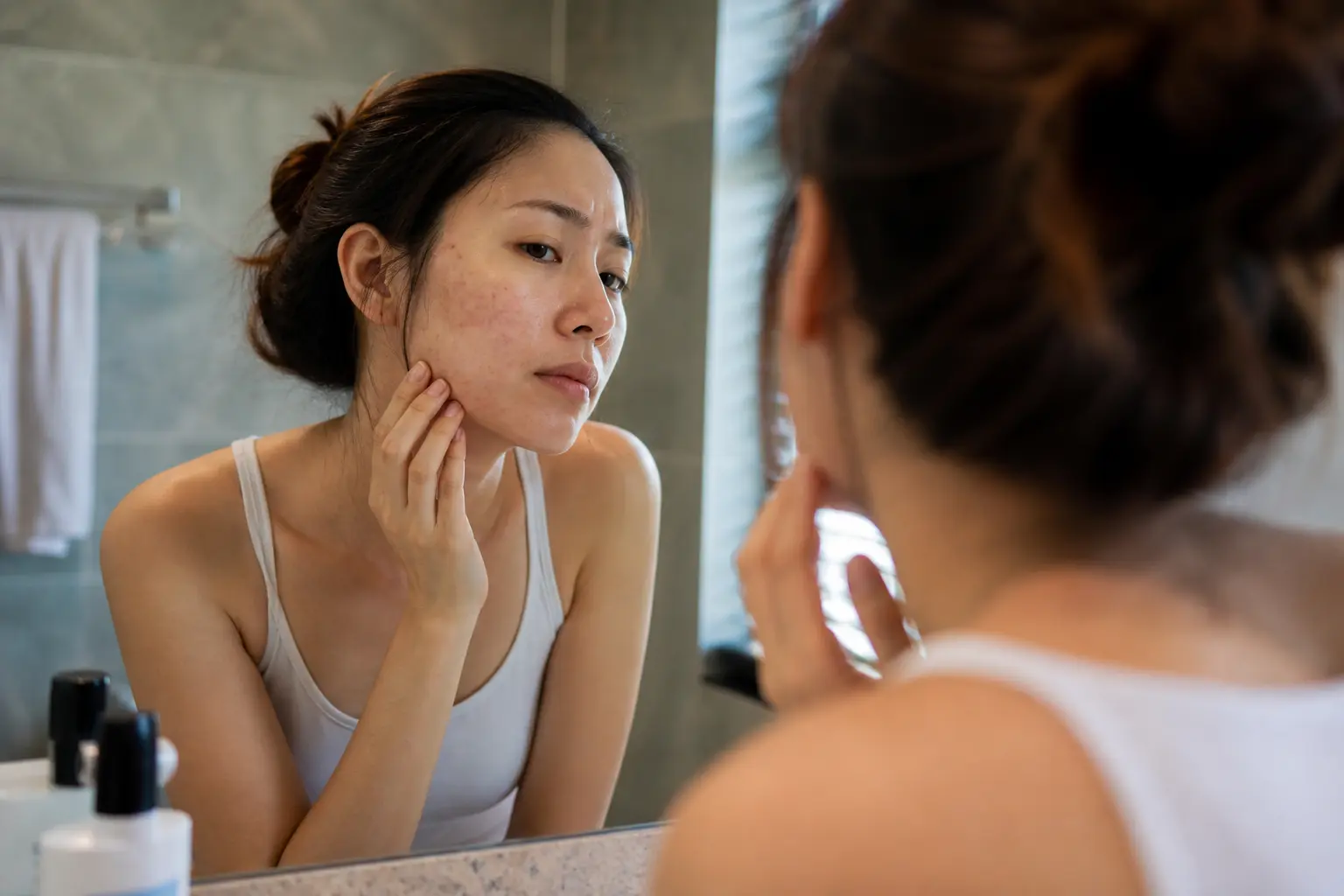
Your skin is breaking out, feeling dull, or just refusing to cooperate, and no amount of expensive creams seems to fix it because the real problem is hiding in your gut health skin connection.
Understanding the gut-skin connection
The gut-skin axis works like a two-way communication system between your digestive tract and your face. When your gut microbiome is thriving with diverse bacteria, your skin typically follows suit. But when things go wrong down there, your skin is often the first place to show it. Imagine your gut as the foundation of a house. If the foundation is cracked and unstable, the walls above it start showing damage. Similarly, an imbalanced gut can trigger inflammation throughout your body, which manifests as acne, eczema, rosacea, or that frustrating dull, tired complexion you see in the mirror. Your gut barrier controls what gets absorbed into your bloodstream. When it becomes compromised, harmful substances and inflammatory molecules can slip through, triggering immune responses that show up as skin flare-ups. For young adults especially, this connection matters because your skin is still establishing its patterns, and addressing gut health now can prevent years of skin struggles ahead.
- Your gut microbiome plays a key role in regulating inflammation and hormone balance, which directly impact your skin clarity and texture.
- Eating a healthy diet rich in fiber, probiotics, and prebiotics can support a diverse microbiome and promote clear skin within weeks.
- Stress management and adequate sleep are also essential for maintaining a healthy gut and radiant skin, as both directly affect your microbiome composition.
Best foods for healthy skin
Start thinking of food as skincare from the inside out. Berries like blueberries and raspberries are packed with anthocyanins, powerful antioxidants that fight inflammation and protect your skin cells from damage. Fatty fish such as salmon and sardines deliver omega-3 fatty acids, which strengthen your skin barrier and reduce inflammatory responses that trigger breakouts. Avocados provide healthy fats and vitamin E, both crucial for skin elasticity and repair. Leafy greens like spinach and kale are nutrient powerhouses containing lutein and zeaxanthin, compounds that protect your skin from oxidative stress. Here’s a practical example: a young adult struggling with persistent acne might swap their usual breakfast of refined carbs for a bowl of berries with Greek yogurt and almonds. Within two to three weeks, they often notice clearer skin because they’re simultaneously feeding their good gut bacteria and providing their skin with the building blocks it needs. The key is consistency. You don’t need to overhaul everything overnight. Start by adding one or two of these foods to each meal and notice how your skin responds over time.
📘 Fix your day in under 2 minuteschoose where to begin:
Probiotics and prebiotics for skin radiance
Probiotics are live beneficial bacteria that directly improve your gut microbiome composition. Fermented foods like yogurt, kefir, sauerkraut, and kimchi contain these living cultures. When you eat them regularly, you’re essentially repopulating your gut with the good bacteria that keep inflammation in check. Prebiotics are the food that feeds these good bacteria, so they thrive and multiply. Garlic, onions, bananas, oats, and asparagus are all prebiotic-rich. Think of probiotics as the workers and prebiotics as their lunch. You need both working together. A practical strategy for young adults is to start your day with a simple routine: have a small serving of fermented food like sauerkraut or kimchi with breakfast, add a banana or oats to your snack, and include a probiotic-rich yogurt as a dessert or snack. One common mistake is buying probiotic supplements and expecting instant results without changing your diet. The supplements work best when paired with prebiotic foods that support the bacteria you’re introducing. Another mistake is consuming too much fermented food too quickly, which can cause bloating or digestive discomfort. Start small, maybe a tablespoon of sauerkraut daily, and gradually increase as your system adjusts.
Hydration and skincare routine
Water is the foundation of everything. Your skin cells need hydration to function properly, and dehydration makes every skin issue worse, from acne to sensitivity to premature aging. Aim for at least eight glasses daily, more if you exercise or live in a dry climate. But hydration isn’t just about drinking water. It’s also about locking that moisture into your skin with a proper routine. Start with a gentle cleanser that doesn’t strip your skin. Many young adults use harsh products that damage their skin barrier, making it more reactive and inflamed. Follow with a hydrating toner or essence, then a lightweight moisturizer suited to your skin type. Apply sunscreen every single day, even on cloudy days, because UV damage triggers inflammation and ages your skin. Here’s a realistic scenario: you’re working on your gut health, eating better, but your skin still looks dull because you’re not protecting it externally. Adding a consistent morning and evening routine takes maybe five minutes but makes a visible difference within weeks. The combination of internal gut support and external protection creates the conditions for real, lasting skin improvement.
Seek professional advice if needed
You’ve been eating better, managing stress, hydrating, and following a skincare routine for two months, but your skin still isn’t improving. This is the moment to reach out to a professional. A dermatologist can identify whether your skin issues stem from hormonal imbalances, food sensitivities, or conditions like rosacea or fungal infections that require specific treatment. A gastroenterologist or functional medicine doctor can run tests to check your gut health directly, identifying dysbiosis or food intolerances you might not have noticed. Don’t view professional help as a failure. It’s actually the smart next step when self-directed changes aren’t enough. Many young adults delay seeking help because they think they should be able to fix it alone, but some skin conditions require targeted interventions. A professional can also rule out serious underlying issues and provide personalized recommendations based on your specific situation rather than general advice. If budget is a concern, many dermatologists offer telehealth consultations at lower costs, and some offer sliding scale fees.
The gut-skin connection is real and actionable. Your skin reflects what’s happening in your digestive system, so supporting your gut microbiome with fiber-rich foods, probiotics, and prebiotics directly supports skin clarity. Combine this internal work with consistent hydration, a gentle skincare routine, and sun protection. Most importantly, be patient. Real skin changes take weeks to months, not days. If you’re not seeing improvement after consistent effort, reach out to a dermatologist or healthcare provider who can offer personalized guidance.
Can gut health really impact skin health?
Yes, scientific studies have shown that the gut microbiome plays a significant role in regulating inflammation and hormonal balance, which can directly influence skin conditions like acne, eczema, and rosacea. The gut-skin axis is a well-documented biological pathway.
How long does it take to see improvements in skin health through gut-focused strategies?
Results vary by individual, but most people notice visible improvements within three to eight weeks of consistently eating gut-supporting foods, managing stress, staying hydrated, and following a skincare routine. Some see changes in two weeks, while others need three months. Consistency matters more than speed.
Others also read:
Disclaimer: This article is for informational purposes only and is not a substitute for professional medical advice. Always consult a healthcare professional for personal guidance.
This guide has been prepared and reviewed by the GlobalHealthBeacon editorial team and reflects current medical research as of 2026. It provides structured, evidence-based information to support informed health decisions.
