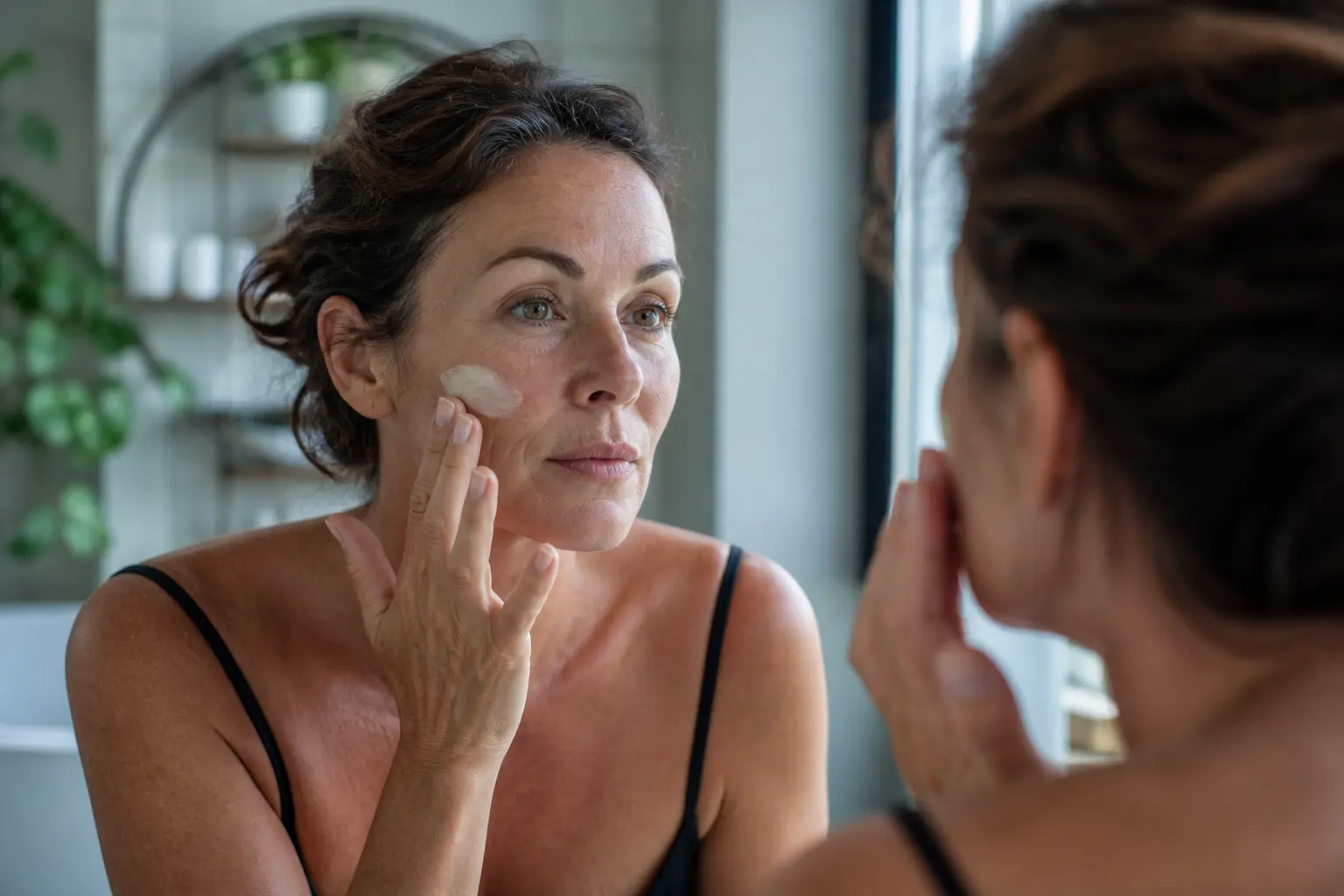
You’re staring at your reflection and noticing fine lines that weren’t there last year, sun spots creeping across your cheeks, and that overall dullness that makes you look tired even when you’re not, but here’s the thing: understanding spf anti aging benefits could genuinely be the game-changer that stops this progression in its tracks.
Understanding SPF anti aging benefits
SPF, or Sun Protection Factor, works as a shield against ultraviolet rays that penetrate your skin daily and trigger the breakdown of collagen and elastin. Think of UV damage like tiny cuts happening invisibly on your skin every single day you’re outdoors without protection. Over time, these accumulate and manifest as wrinkles, age spots, and that leathery texture you want to avoid. When you use SPF consistently, you’re essentially hitting pause on this aging process. Women who start SPF in their twenties see dramatically different skin by their forties compared to those who skip it. The science is straightforward: SPF absorbs or reflects UV rays before they damage your skin cells. This preventative approach is far more effective than trying to reverse damage after it’s already happened. By incorporating SPF into your daily routine now, you’re making an investment in your skin’s future that compounds over years and decades.
- SPF shields your skin from the sun’s damaging effects, preventing premature aging.
- Regular use of SPF can help maintain a youthful and radiant complexion over time.
- Choosing the right SPF product ensures that you receive adequate protection while keeping your skin healthy.
Choosing the best SPF for your skin type
Finding the right SPF product requires honest assessment of your skin. If you have oily skin, heavy creams will sit on your face like a film and make you feel uncomfortable by midday. Instead, look for lightweight, non-comedogenic formulas that won’t clog pores or create that greasy shine. Dry skin needs the opposite approach: a moisturizing SPF cream that hydrates while protecting, because sunscreen alone can sometimes feel drying. If you’re combination skin, you’re juggling two different needs, so consider using different products on different zones or finding a multi-tasking formula that balances hydration and oil control. For sensitive skin, mineral sunscreens with zinc oxide or titanium dioxide are gentler than chemical ones. A practical example: if you have oily skin and try a heavy SPF cream, you’ll likely skip reapplication because it feels uncomfortable, which defeats the purpose entirely. The best SPF is the one you’ll actually use consistently, so prioritize how it feels on your skin as much as its protection level.
📘 Fix your day in under 2 minuteschoose where to begin:
Applying SPF correctly for maximum benefits
Most women apply far too little SPF to get adequate protection, which is one of the biggest mistakes in sun protection. The recommended amount is about one-quarter teaspoon for your face alone, which is roughly the size of a pea. Start by applying to your forehead, cheeks, nose, and chin, then blend outward. Don’t forget your neck and the tops of your hands, which age visibly and are often neglected. Many women skip their ears and the part in their hair, both vulnerable areas. Reapplication every two hours is crucial, especially if you’re sweating or swimming. If you’re wearing makeup, reapplication gets tricky. Consider using an SPF powder or spray for touch-ups over makeup, or plan your outdoor time strategically. A practical scenario: you apply SPF in the morning at 8am, but you’re outside from 10am to 2pm without reapplication. By noon, your protection has degraded significantly. This is why consistency matters more than finding the perfect product.
Additional anti aging measures
SPF is powerful, but it’s not a complete anti-aging solution on its own. Your skin ages from the inside out, so hydration matters tremendously. Drinking adequate water helps your skin maintain elasticity and plumpness. Your diet directly impacts skin quality too: antioxidants from berries, leafy greens, and nuts fight free radical damage that accelerates aging. Sleep is when your body repairs skin cells and produces collagen, so skimping on rest shows on your face within days. Consider adding a retinol product to your routine, which stimulates collagen production and reduces fine lines. Vitamin C serums brighten and protect against oxidative stress. Moisturizing regularly prevents the dehydration that makes wrinkles more visible. A woman in her forties who uses SPF daily but sleeps five hours, drinks minimal water, and eats processed foods will age faster than a woman in her fifties who combines SPF with good sleep, hydration, and nutrition. The synergy of these practices creates visible results that no single product can achieve alone.
Consulting with a dermatologist
Your skin is unique, and what works for your friend might not work for you. A dermatologist can assess your specific skin concerns, identify any existing damage, and recommend products tailored to your needs. They can also discuss whether you need additional treatments like chemical peels or laser therapy if sun damage is already present. If you have a history of skin cancer in your family or you’ve had significant sun exposure, professional guidance becomes even more important. A dermatologist can recommend specific SPF brands and strengths based on your skin type and lifestyle. They can also monitor your skin over time and catch any concerning changes early. Many insurance plans cover dermatology visits, making this more accessible than you might think. Even one consultation can clarify whether you’re using the right products and techniques, potentially saving you money and frustration from buying ineffective products.
Regularly using SPF products as part of your skincare routine can effectively combat the signs of aging, such as fine lines, wrinkles, and age spots. Understanding your skin type, applying SPF correctly, and incorporating other anti-aging practices are essential for maintaining a youthful complexion.
Is SPF the only anti-aging product I need?
While SPF is crucial in preventing sun damage and premature aging, combining it with other anti-aging practices like a healthy diet and hydration can enhance the overall effectiveness of your skincare routine.
Can I skip SPF on cloudy days?
UV rays can still penetrate clouds and cause skin damage even on overcast days. It’s important to apply SPF daily, regardless of the weather, to protect your skin from aging signs.
Others also read:
Disclaimer: This article is for informational purposes only and is not a substitute for professional medical advice. Always consult a healthcare professional for personal guidance.
This guide has been prepared and reviewed by the GlobalHealthBeacon editorial team and reflects current medical research as of 2026. It provides structured, evidence-based information to support informed health decisions.
