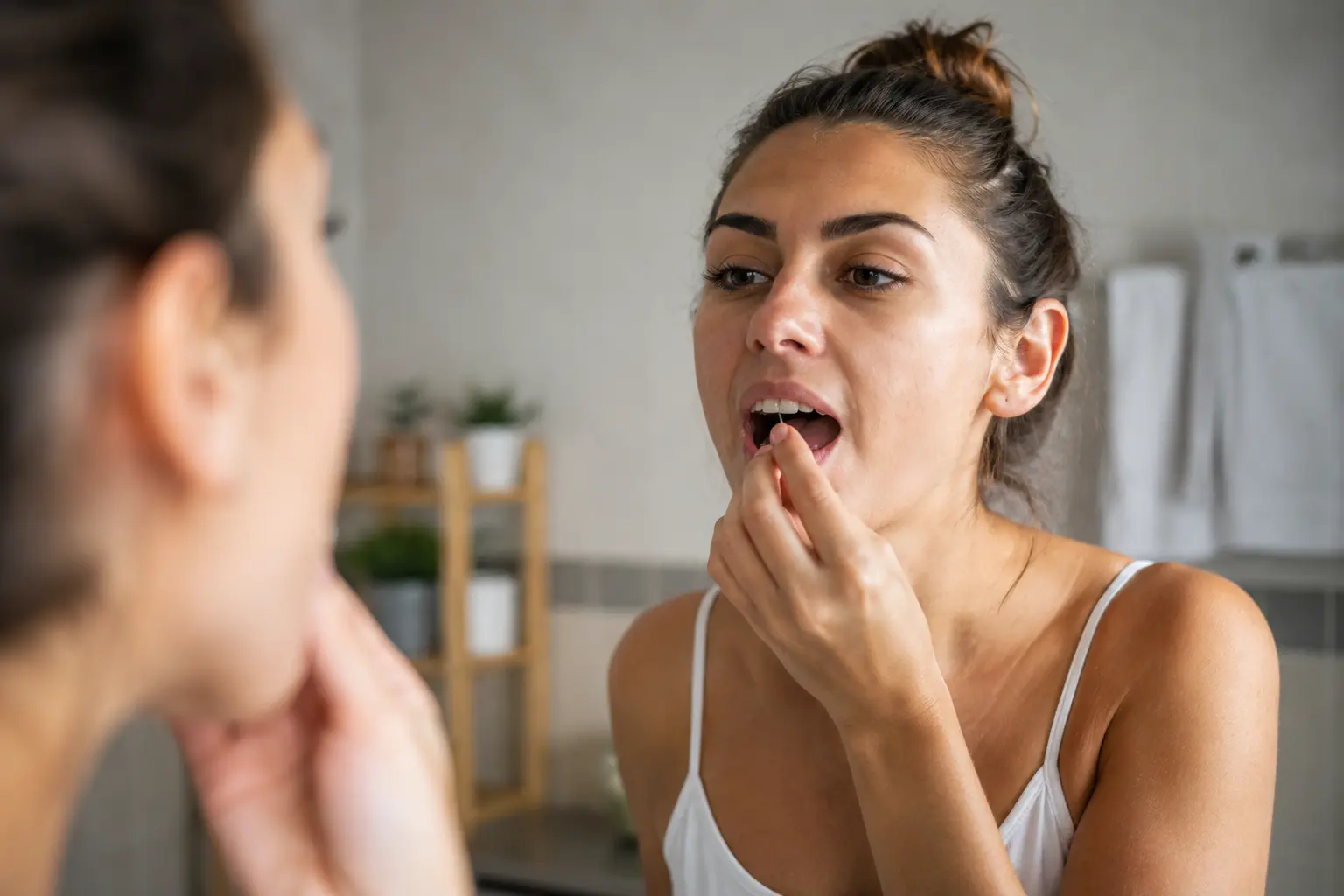
Your breath smells off, your gums feel tender, and you’re tired of wondering if something is actually wrong with your oral microbiome health or if you’re just overthinking it.
Oil pulling: a traditional technique
Oil pulling, an ancient Ayurvedic practice, involves swishing oil in your mouth for 15 to 20 minutes to remove bacteria and improve oral health. Popular oils include coconut, sesame, and sunflower oil. Here’s how it works in real life: imagine waking up, pouring a tablespoon of coconut oil into your mouth, and spending your morning routine swishing while you shower or check emails. The oil coats your mouth, trapping bacteria and toxins that would normally stick to your teeth and gums. Many women report fresher breath and a cleaner mouth feeling after consistent practice. A common mistake is swishing too vigorously or for too long initially, which can cause jaw fatigue. Start with 5 to 10 minutes and gradually increase. Another tip: don’t swallow the oil, as it contains the bacteria you’re trying to remove. Instead, spit it into a trash bin rather than your sink to avoid clogs.
- Reduces harmful bacteria in the mouth
- Promotes gum health and fresh breath
- Easy to incorporate into your daily routine
Probiotics for oral health
Probiotics contain beneficial bacteria that can help restore balance to your oral microbiome. Look for probiotic supplements specifically formulated for oral health, which often contain strains like Lactobacillus and Streptococcus. Think of your mouth as an ecosystem where bad bacteria have taken over. Probiotics are like reinforcements that help good bacteria reclaim territory. A woman dealing with persistent bad breath or gum sensitivity might take an oral probiotic daily for 30 days and notice her gums feel less inflamed and her breath improves. The key is consistency. Unlike a quick fix, probiotics work gradually by building a healthier bacterial community over weeks. Choose products with multiple strains and check the colony-forming units (CFU) count, typically ranging from 1 billion to 10 billion. Some probiotics come as lozenges that dissolve slowly in your mouth, allowing direct contact with oral tissues. Avoid taking them immediately after mouthwash, which can kill the beneficial bacteria you just introduced.
📘 Fix your day in under 2 minuteschoose where to begin:
Tongue scraping: practice and benefits
Tongue scraping involves gently removing bacteria and toxins from the surface of the tongue using a specialized tool or even a soft toothbrush. This simple practice can enhance your oral hygiene routine significantly. Picture this: you look in the mirror and notice a white or yellowish coating on your tongue, a sign of bacterial buildup or oral thrush. A tongue scraper, typically made of copper, stainless steel, or plastic, glides across your tongue from back to front in gentle strokes. The process takes about 10 to 15 seconds and removes the debris your toothbrush can’t reach. Many women find their sense of taste sharpens and their mouth feels fresher after adding this step. A critical mistake is scraping too hard, which can irritate delicate tongue tissue and cause soreness. Instead, use light pressure and let the tool do the work. The best time to scrape is in the morning before brushing, when bacterial buildup is heaviest. If you notice persistent coating despite regular scraping, consult your dentist to rule out oral infections.
Natural mouthwash options
Explore natural mouthwash alternatives like saltwater rinses, herbal mouthwashes, or DIY recipes using ingredients like baking soda and essential oils for a refreshing and effective oral care routine. Commercial mouthwashes often contain alcohol and artificial ingredients that can disrupt your oral microbiome. A saltwater rinse is simple: dissolve half a teaspoon of salt in 8 ounces of warm water and swish for 30 seconds after brushing. This is especially helpful if you have gum inflammation or minor mouth sores. For a more elaborate option, some women create a homemade mouthwash by combining water, a drop of peppermint essential oil, and a pinch of baking soda. Herbal mouthwashes featuring ingredients like sage, chamomile, or tea tree oil offer antimicrobial benefits without harsh chemicals. A common pitfall is using essential oils undiluted, which can burn your mouth tissue. Always dilute properly and start with minimal amounts to test tolerance. Store homemade rinses in a clean glass bottle and use within a week. Many women report their gums feel healthier and their breath fresher when switching from conventional mouthwash to natural alternatives.
Diet and hydration for oral health
Maintaining a balanced diet rich in vitamins and minerals is crucial for optimal oral health. Drink plenty of water to keep your mouth hydrated and promote saliva production, which naturally protects teeth and gums. Your mouth thrives on specific nutrients: calcium strengthens tooth enamel, vitamin C supports gum tissue, and vitamin D helps your body absorb calcium. A woman who switches from sugary drinks to water and adds crunchy vegetables like apples and carrots to her meals often notices reduced plaque buildup and healthier gums within weeks. Saliva is your mouth’s natural defense system, washing away food debris and neutralizing acids. Dehydration reduces saliva flow, creating an environment where harmful bacteria flourish. Aim for at least 8 glasses of water daily, more if you exercise or live in a dry climate. Limit acidic foods and drinks like citrus juices and wine, which erode enamel over time. A practical strategy is eating calcium-rich foods like yogurt, cheese, and leafy greens regularly, and snacking on crunchy produce instead of processed snacks. These dietary shifts support your oral microbiome naturally without supplements or special products.
Effective methods like oil pulling, probiotics, tongue scraping, natural mouthwashes, and a healthy diet can help promote a balanced oral microbiome and improve overall oral health for women.
Are there any side effects of oil pulling?
While oil pulling is generally safe, some individuals may experience mild side effects such as nausea or upset stomach. If you encounter any adverse reactions, discontinue the practice.
How long should I scrape my tongue for optimal results?
Tongue scraping should be done gently for about 10-15 seconds to effectively remove bacteria and toxins from the surface of the tongue without causing irritation.
Others also read:
Disclaimer: This article is for informational purposes only and is not a substitute for professional medical advice. Always consult a healthcare professional for personal guidance.
This guide has been prepared and reviewed by the GlobalHealthBeacon editorial team and reflects current medical research as of 2026. It provides structured, evidence-based information to support informed health decisions.
