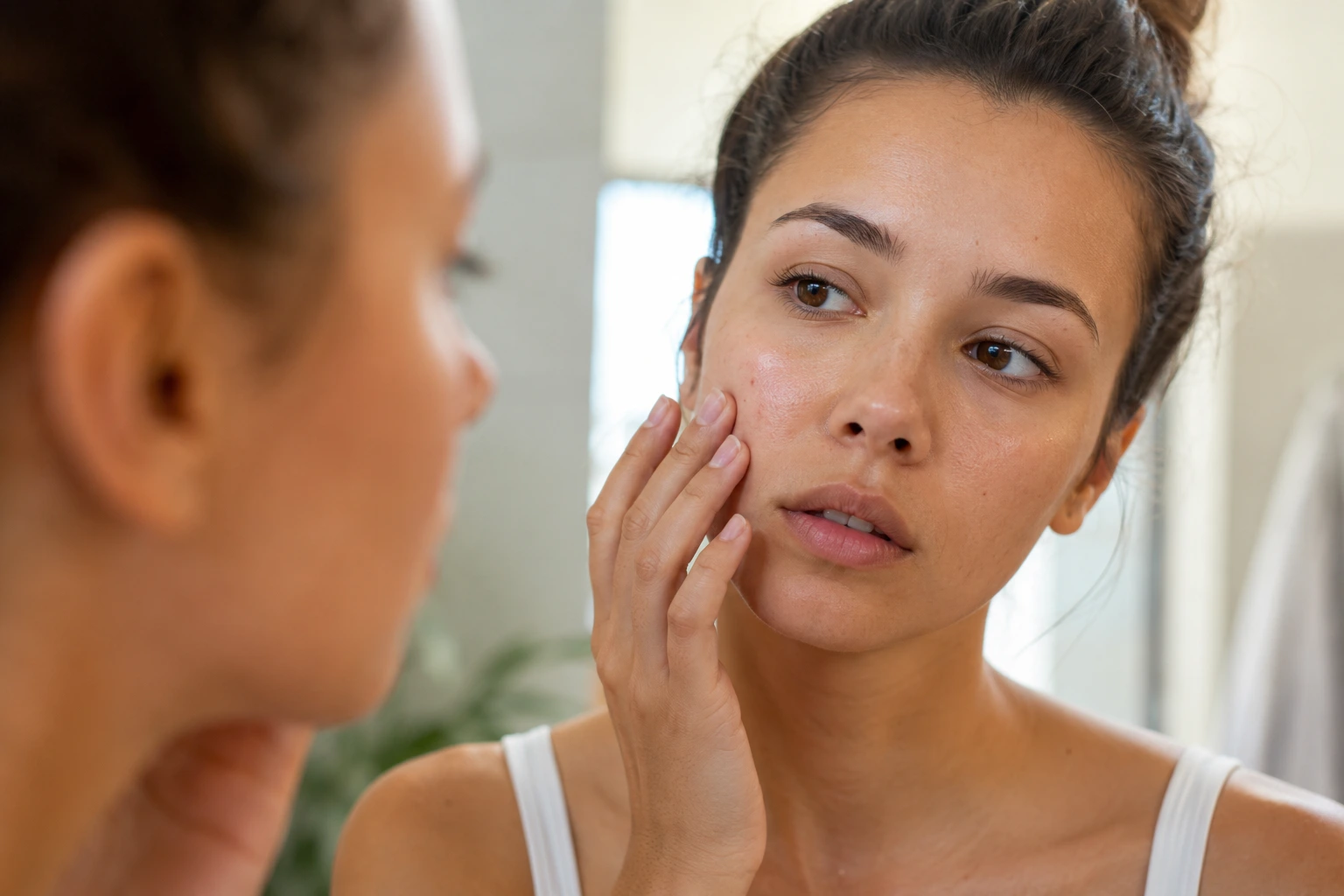
Your skin feels tight, raw, and angry after every wash, and nothing you do seems to stop the burning sensation and flaking that makes you want to hide behind makeup all day, but a solid skin barrier repair routine can actually turn this around.
Understanding skin barrier basics
Your skin’s barrier is essentially your body’s first line of defense, a delicate layer of lipids and proteins that keeps moisture locked in while keeping irritants out. When this barrier breaks down, everything feels amplified. That cleanser you loved suddenly stings. Your moisturizer sits on top of your skin instead of sinking in. You might notice your complexion looking dull, feeling tight, or developing red patches that weren’t there before. The culprits are everywhere: harsh sulfate-based cleansers strip away natural oils, pollution particles settle into pores, stress hormones trigger inflammation, and even over-exfoliation damages the protective shield. Understanding what’s happening beneath the surface helps you stop the cycle and choose products that actually support healing rather than causing more damage.
- Choose a gentle pH-balanced cleanser to avoid stripping your skin.
- Look for moisturizers with occlusives like ceramides to repair the skin barrier.
- Incorporate a hydrating serum with humectants like hyaluronic acid for added moisture retention.
Nourishing your skin from within
Skin barrier repair doesn’t happen only on the surface. What you consume directly impacts how resilient your skin becomes. Think of antioxidant-rich foods like blueberries, walnuts, and spinach as tiny repair crews working from the inside out, fighting oxidative stress that weakens your barrier. Omega-3 fatty acids from salmon or flaxseed help rebuild the lipid layer that holds moisture. Collagen-boosting foods like bone broth and citrus fruits support skin elasticity and strength. Hydration is equally critical. Most women underestimate how much water their skin actually needs, especially when the barrier is compromised. Drinking adequate water throughout the day helps your skin cells function optimally and supports the natural repair processes happening beneath the surface. You’ll notice a real difference in how plump and resilient your skin feels when you’re truly hydrated from within.
💬 Ready to feel better in 2 minutes?choose where to begin:
Daily skin barrier repair routine
A consistent routine is where real transformation happens. In the morning, start with lukewarm water or a gentle cream cleanser that won’t strip your skin. Pat dry gently, then apply a hydrating serum with hyaluronic acid or glycerin to draw moisture into your skin. Follow immediately with a lightweight moisturizer containing ceramides or peptides to seal everything in. At night, double cleanse if you’re wearing makeup or sunscreen, using an oil cleanser first to dissolve makeup, then a gentle gel or cream cleanser. This prevents buildup that can irritate a compromised barrier. Apply your hydrating serum again, then layer a richer repairing cream with niacinamide, shea butter, or centella asiatica. These ingredients actively work to restore barrier function while you sleep. The key is consistency. Your skin needs at least two to three weeks of this routine before you’ll see real improvement, but most women notice softness and reduced sensitivity within that timeframe.
Protecting your skin barrier
Once you’ve started repairing your barrier, protection becomes essential to prevent further damage. UV rays are one of the biggest barrier-weakening culprits, breaking down collagen and lipids that hold your skin together. A broad-spectrum sunscreen with SPF 30 or higher should be non-negotiable, even on cloudy days. Physical blockers like zinc oxide or titanium dioxide are gentler on sensitive, compromised skin than chemical sunscreens, which require absorption and can sometimes irritate. Beyond sun protection, be mindful of environmental stressors. Pollution particles settle on skin and trigger inflammation, so cleansing thoroughly at night matters. Temperature extremes also stress your barrier, so avoid very hot showers and use a humidifier in dry climates. Stress management indirectly protects your barrier too, since cortisol triggers inflammation that weakens skin defenses. Small changes like these compound into real, lasting results.
Repairing skin barrier damage involves understanding the basics of your skin’s protective shield, nourishing it from within, following a consistent skincare routine, and protecting it from external stressors like UV rays. By incorporating these steps into your daily routine, you can restore your skin’s health and achieve a glowing complexion.
Can repairing the skin barrier improve the appearance of fine lines and wrinkles?
Yes, a healthy skin barrier can help reduce the visibility of fine lines and wrinkles by retaining moisture, improving elasticity, and protecting against environmental damage.
How long does it take to see results from a skin barrier repair routine?
Results from repairing the skin barrier can vary depending on the extent of damage and individual skin conditions. Generally, consistent use of gentle, nourishing products can show improvement within a few weeks to a couple of months.
Others also read:
Disclaimer: This article is for informational purposes only and is not a substitute for professional medical advice. Always consult a healthcare professional for personal guidance.
This article presents an experience-based perspective and has been reviewed by the GlobalHealthBeacon editorial team in 2026. It provides structured, evidence-based information to support informed health decisions.
