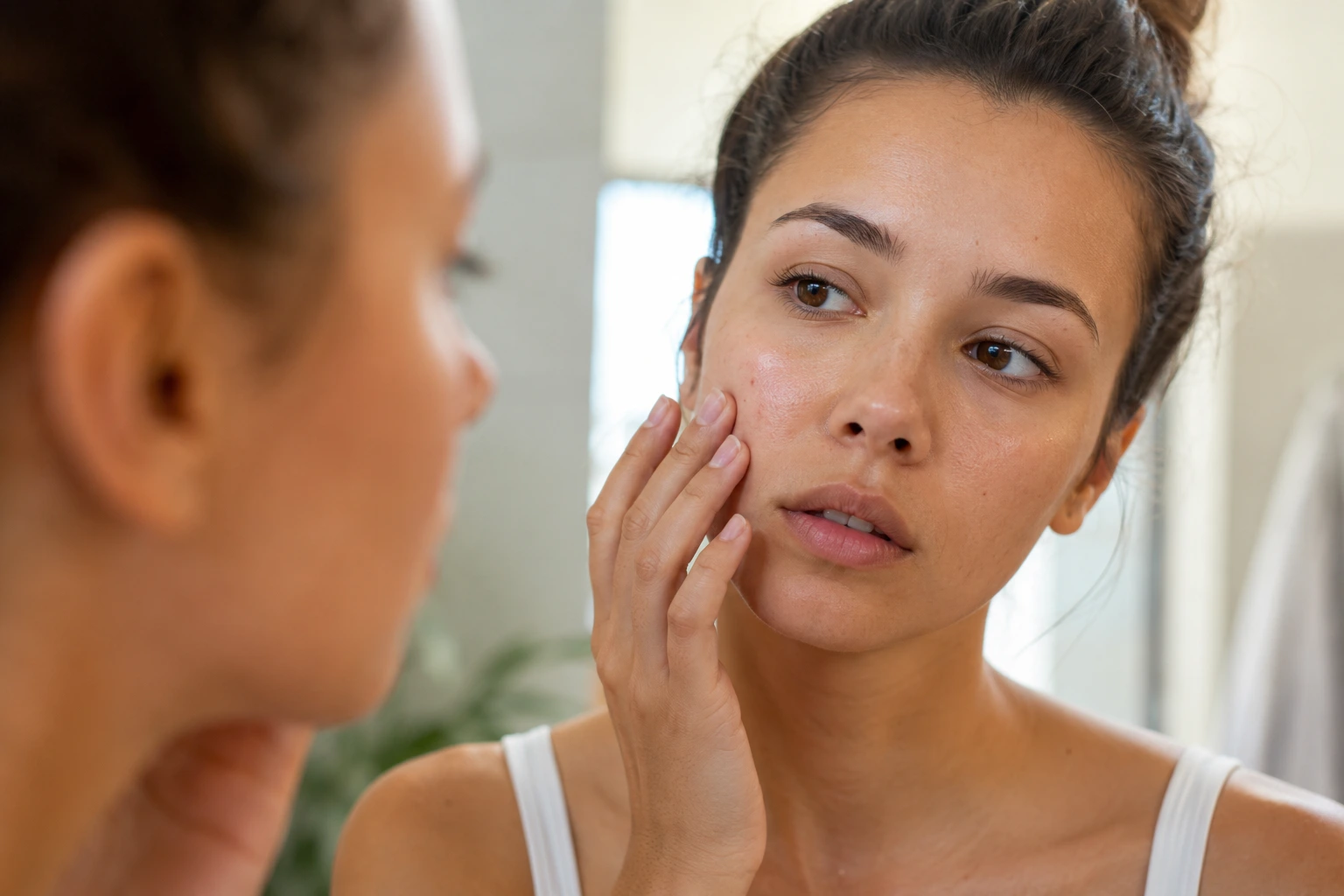
Your skin feels tight, flaky, and reactive to everything you touch, and you’re tired of slathering on cream after cream just to feel normal again, but a proper skin barrier repair routine can actually fix what’s broken underneath.
Understanding skin barrier importance
Your skin barrier is essentially your body’s first line of defense against the world. Think of it as a protective wall made up of lipids and dead skin cells that work together to keep moisture in and irritants out. When you were younger, this barrier naturally regenerated quickly. But as you age, this process slows down significantly. The barrier weakens, cracks develop, and suddenly your skin feels perpetually dry no matter how much moisturizer you apply. You might notice your skin reacts to products that never bothered you before, or you develop sensitivity to wind and temperature changes. This isn’t just about comfort. A compromised barrier leaves you vulnerable to environmental damage, bacteria, and accelerated aging. Understanding why your skin feels the way it does is the first step toward real change. Your barrier didn’t fail overnight, and it won’t repair overnight either, but knowing what’s happening gives you the power to address it properly.
- Cleansing Gently: Opt for mild, hydrating cleansers to avoid stripping natural oils.
- Hydrating Consistently: Moisturize daily to maintain skin suppleness and resilience.
- Protecting with Sunscreen: Shield against harmful UV rays to minimize barrier damage.
Choosing skin-friendly ingredients
Not all skincare ingredients are created equal, especially when your barrier is compromised. Ceramides are your best friend here. These waxy molecules naturally exist in your skin and literally fill the gaps in your barrier like caulk in a cracked wall. Hyaluronic acid works differently. It’s a humectant that pulls water into your skin and holds it there, plumping up dehydrated cells and making fine lines less noticeable. Antioxidants like vitamin E and vitamin C protect against free radical damage that accelerates aging and weakens the barrier further. Soothing botanical extracts such as aloe vera, centella asiatica, and chamomile calm inflammation and reduce redness. When you’re shopping, look for products listing these ingredients near the top of the ingredient list, which means higher concentrations. Avoid products that promise instant results with harsh actives like strong retinoids or chemical exfoliants while your barrier is recovering. Give your skin what it actually needs right now, not what you think you should be using.
📘 Fix your day in under 2 minuteschoose where to begin:
Implementing a nourishing routine
A solid routine doesn’t need to be complicated, but it does need to be consistent. Start each morning by cleansing with a gentle, creamy cleanser that doesn’t leave your skin feeling tight. Pat your skin dry gently, never rub. While your skin is still slightly damp, apply a hydrating serum containing hyaluronic acid or glycerin. This traps water in your skin. Follow immediately with a rich moisturizer that contains ceramides and nourishing oils. Finish with broad-spectrum sunscreen, which protects your healing barrier from UV damage that would undo your progress. At night, repeat the cleanse and serum step, then use an even richer night cream or facial oil. This routine might feel like a lot at first, but most people find it takes less than five minutes once you establish the habit. The key is repetition. Your skin barrier repairs itself through consistent nourishment over weeks, not days. Some people see improvements in two to three weeks, while others need six to eight weeks. Patience here isn’t optional, it’s essential.
Avoiding harsh chemicals and irritants
When your barrier is compromised, your skin becomes a minefield of potential irritants. Alcohol in skincare products is dehydrating and inflammatory. Synthetic fragrances, even the ones that smell pleasant, can trigger sensitivity reactions. Physical exfoliants like scrubs or brushes are completely off limits right now because they cause micro-tears in already fragile skin. Chemical exfoliants like AHAs and BHAs might seem gentler, but they’re still too aggressive during barrier repair. Even some essential oils, despite being natural, can irritate sensitive skin. Read ingredient lists carefully. If you see alcohol denat, parfum, or fragrance listed in the first five ingredients, put the product back. Choose fragrance-free, hypoallergenic options specifically labeled for sensitive skin. Test new products on a small patch of skin first, waiting 24 to 48 hours before applying to your entire face. This simple step prevents wasting money on products that make things worse. Remember, during this repair phase, less is genuinely more.
Seeking professional advice
Sometimes despite your best efforts, your skin doesn’t improve. You’ve followed a consistent routine for two months, you’ve eliminated irritants, but your skin still feels reactive or looks worse. This is when a dermatologist becomes invaluable. They can identify whether you’re dealing with a barrier issue, a skin condition like rosacea or eczema, or an underlying health issue affecting your skin. They might recommend prescription-strength ceramide creams, topical treatments to reduce inflammation, or oral supplements that support skin health from within. A dermatologist can also perform professional treatments like gentle hydrating facials or light therapy that accelerate barrier repair without causing damage. Don’t wait until you’re frustrated or your skin is severely compromised. If you have persistent concerns after four to six weeks of consistent self-care, schedule an appointment. Professional guidance isn’t a sign of failure, it’s a smart investment in getting real answers and results.
Restoring your skin barrier involves understanding its significance, utilizing skin-friendly ingredients, maintaining a nourishing routine, avoiding harsh irritants, and seeking professional advice when needed.
How long does it take to see results from a skin barrier repair routine?
Results may vary, but improvements in skin hydration and texture can be noticeable within a few weeks of consistent use. Patience and adherence to the routine are essential for lasting benefits.
Can dietary changes influence skin barrier repair?
A balanced diet rich in antioxidants, essential fatty acids, and hydration can complement your skincare routine and promote overall skin health. However, direct impact on skin barrier repair may vary individually.
Others also read:
Disclaimer: This article is for informational purposes only and is not a substitute for professional medical advice. Always consult a healthcare professional for personal guidance.
This guide has been prepared and reviewed by the GlobalHealthBeacon editorial team and reflects current medical research as of 2026. It provides structured, evidence-based information to support informed health decisions.
