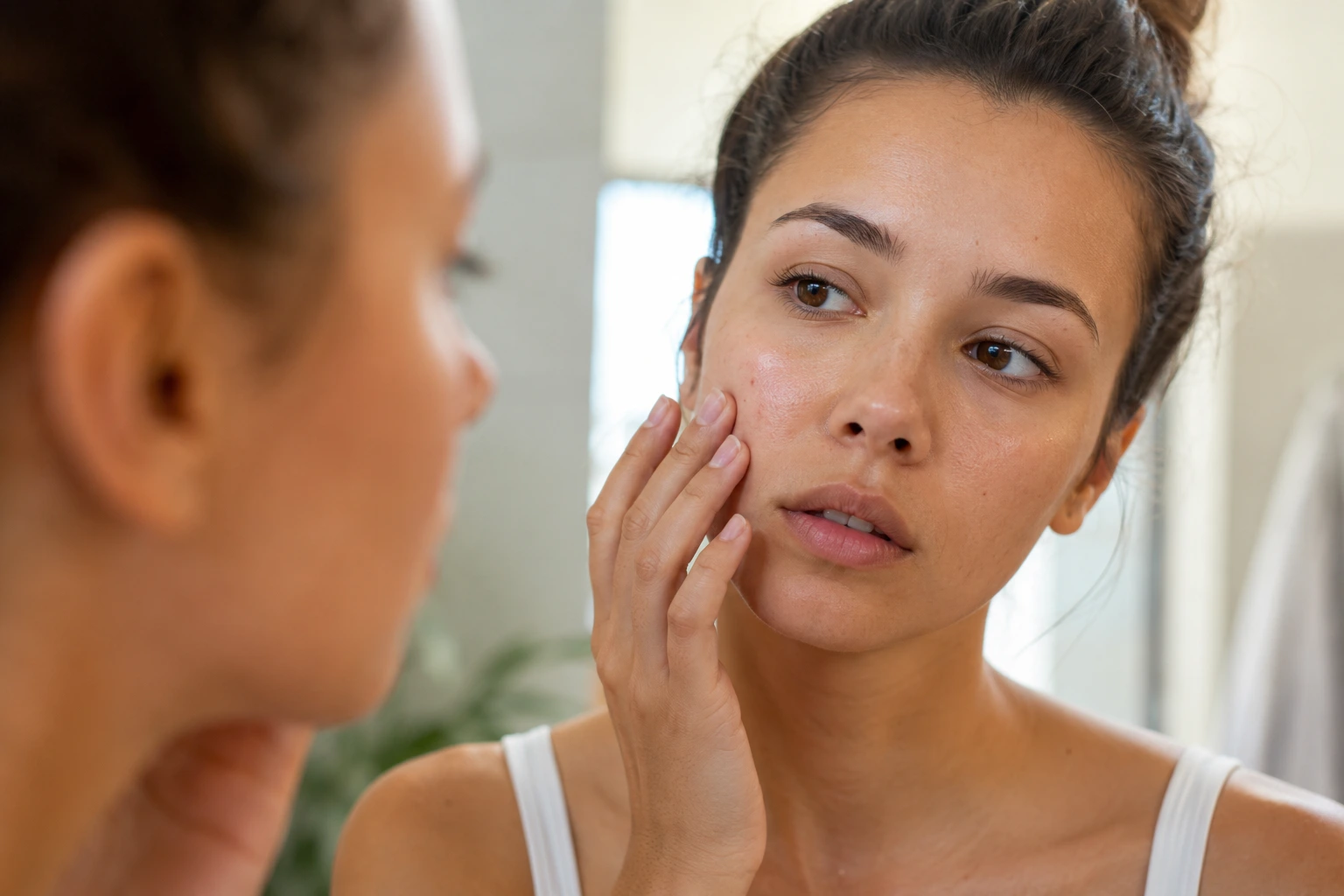
Your skin feels tight, reactive, and angry no matter what you slather on it, and you’re exhausted from trying every trending product under the sun, but here’s the truth: repairing your skin barrier repair routine doesn’t require magic or a dermatologist’s salary, just the right strategy and patience.
Understanding the skin barrier repair process
Your skin barrier is essentially your skin’s protective shield, a delicate layer of lipids and proteins that keeps moisture in and irritants out. When this barrier breaks down, you experience redness, sensitivity, dryness, and that frustrating feeling of your skin being perpetually compromised. Understanding how damage happens is the first step toward fixing it. Common culprits include over-exfoliating with harsh scrubs, using products with high alcohol content, exposure to extreme temperatures, and even stress. Think of it like a brick wall: when the mortar (lipids) between the bricks (skin cells) deteriorates, the entire structure weakens. To begin repair, you need to identify what triggered the damage in your specific case. Was it that new retinol serum you introduced too quickly? The daily hot showers? Environmental pollution? Once you pinpoint the cause, you can stop the bleeding and start rebuilding. This process typically takes weeks to months, depending on severity, but consistency matters far more than speed.
- Use gentle cleansers to avoid stripping your skin of natural oils.
- Incorporate moisturizers with ceramides and hyaluronic acid to hydrate and repair the skin barrier.
- Consider using topical treatments like niacinamide to strengthen the skin barrier.
Choosing the right products for skin barrier repair
Not all moisturizers are created equal, and during barrier repair, product selection becomes critical. You need ingredients that actively rebuild the lipid layer, not just sit on top of your skin. Ceramides are non-negotiable because they’re literally the mortar between your skin cells. Hyaluronic acid works as a humectant, drawing water into the skin and plumping it from within. Niacinamide (vitamin B3) reduces inflammation and strengthens the barrier while being gentle enough for compromised skin. Look for products labeled as barrier-repair or sensitive-skin formulations. A practical example: if you’ve been using a foaming cleanser and a vitamin C serum, both of which are stripping, switching to a creamy cleanser and a hydrating serum with ceramides can show visible improvement within two weeks. Avoid products with fragrance, essential oils, or high concentrations of actives like acids and retinoids until your barrier has recovered. Check ingredient lists carefully. A good barrier-repair moisturizer might contain ceramides NP, AP, and EOP, along with cholesterol and fatty acids. Brands don’t need to be expensive; many affordable options contain exactly what you need.
📘 Fix your day in under 2 minuteschoose where to begin:
Avoiding harsh skincare practices
This is where most women sabotage their own recovery without realizing it. You might think you’re helping by exfoliating more or using stronger treatments, but a compromised barrier needs rest, not aggression. Hot water opens your pores and strips natural oils, so switch to lukewarm water for cleansing. Limit cleansing to twice daily, and consider just rinsing with water in the morning. Physical exfoliants like scrubs are off the table entirely during repair. Even chemical exfoliants (AHAs, BHAs) need to pause for at least four to six weeks. Avoid layering multiple active ingredients. If you’re using niacinamide, skip the vitamin C. If you’re using a hydrating serum, don’t follow it with a heavy occlusive oil that traps bacteria. Pat your skin dry gently instead of rubbing. These small adjustments feel counterintuitive when you’re used to aggressive skincare, but they’re the foundation of actual healing. One common mistake is thinking that because a product is natural, it’s safe for a damaged barrier. Tea tree oil, witch hazel, and alcohol-based toners can be extremely irritating during this phase.
Nutrition and hydration for skin barrier repair
What you eat directly impacts your skin’s ability to rebuild itself. Your barrier is made of lipids, which means your skin needs healthy fats to repair. Omega-3 fatty acids from salmon, flaxseeds, and walnuts reduce inflammation from the inside out. Antioxidants like vitamins C and E from berries, leafy greens, and nuts protect against further oxidative damage. Zinc and vitamin A support skin cell turnover and barrier function. A practical approach: ensure every meal includes a protein source, a healthy fat, and colorful vegetables. For example, grilled chicken with olive oil and roasted broccoli provides protein, fat, and antioxidants in one plate. Hydration is equally important but often misunderstood. Drinking water alone won’t fix a barrier if you’re not also using occlusive products to seal moisture in. However, chronic dehydration absolutely worsens barrier function. Aim for eight glasses of water daily, and consider adding electrolytes if you exercise or live in a dry climate. Some women notice their barrier recovers faster when they also reduce caffeine and alcohol, which are dehydrating. Track what you eat for two weeks and notice how your skin responds. You might find that reducing processed foods and sugar also improves inflammation and barrier health.
Lifestyle adjustments for a healthy skin barrier
Your skin barrier doesn’t exist in isolation; it reflects your overall stress levels, sleep quality, and environmental exposure. Chronic stress elevates cortisol, which triggers inflammation and weakens barrier function. Adding just ten minutes of daily meditation, gentle yoga, or even a walk can noticeably reduce skin reactivity within weeks. Sleep is when your body repairs itself, including your skin. During deep sleep, your skin’s blood flow increases and collagen production peaks. Aim for seven to nine hours nightly, and notice if your skin looks calmer and more hydrated on mornings after good sleep. Environmental factors matter too. If you live in a dry climate, a humidifier in your bedroom can prevent overnight moisture loss. If you’re exposed to pollution or chlorine, rinse your face immediately and apply a protective moisturizer. Sun protection is non-negotiable because UV damage further compromises a weakened barrier. Use a mineral sunscreen (zinc oxide or titanium dioxide) rather than chemical sunscreen, which can irritate sensitive skin. One often-overlooked factor is your pillowcase. Switching to a silk or satin pillowcase reduces friction and prevents bacteria transfer, which is especially important when your barrier is compromised. These lifestyle shifts take minimal effort but compound over time, accelerating your barrier recovery.
Repairing your skin barrier naturally requires understanding what damaged it, choosing products with ceramides and niacinamide, eliminating harsh practices, nourishing your skin through diet and hydration, and supporting recovery through sleep and stress management. This isn’t a quick fix, but a sustainable approach that restores not just your barrier but your confidence in your skin.
How long does it take to repair a damaged skin barrier?
The time it takes to repair a damaged skin barrier varies depending on the severity of the damage and the effectiveness of the skincare routine. Consistent use of gentle products and healthy habits can expedite the repair process.
Can I repair my skin barrier at home without professional help?
Yes, you can repair your skin barrier at home with the right skincare products, lifestyle changes, and a balanced diet. It’s essential to be patient and consistent in your approach to see effective results.
Others also read:
Disclaimer: This article is for informational purposes only and is not a substitute for professional medical advice. Always consult a healthcare professional for personal guidance.
This guide has been prepared and reviewed by the GlobalHealthBeacon editorial team and reflects current medical research as of 2026. It provides structured, evidence-based information to support informed health decisions.
