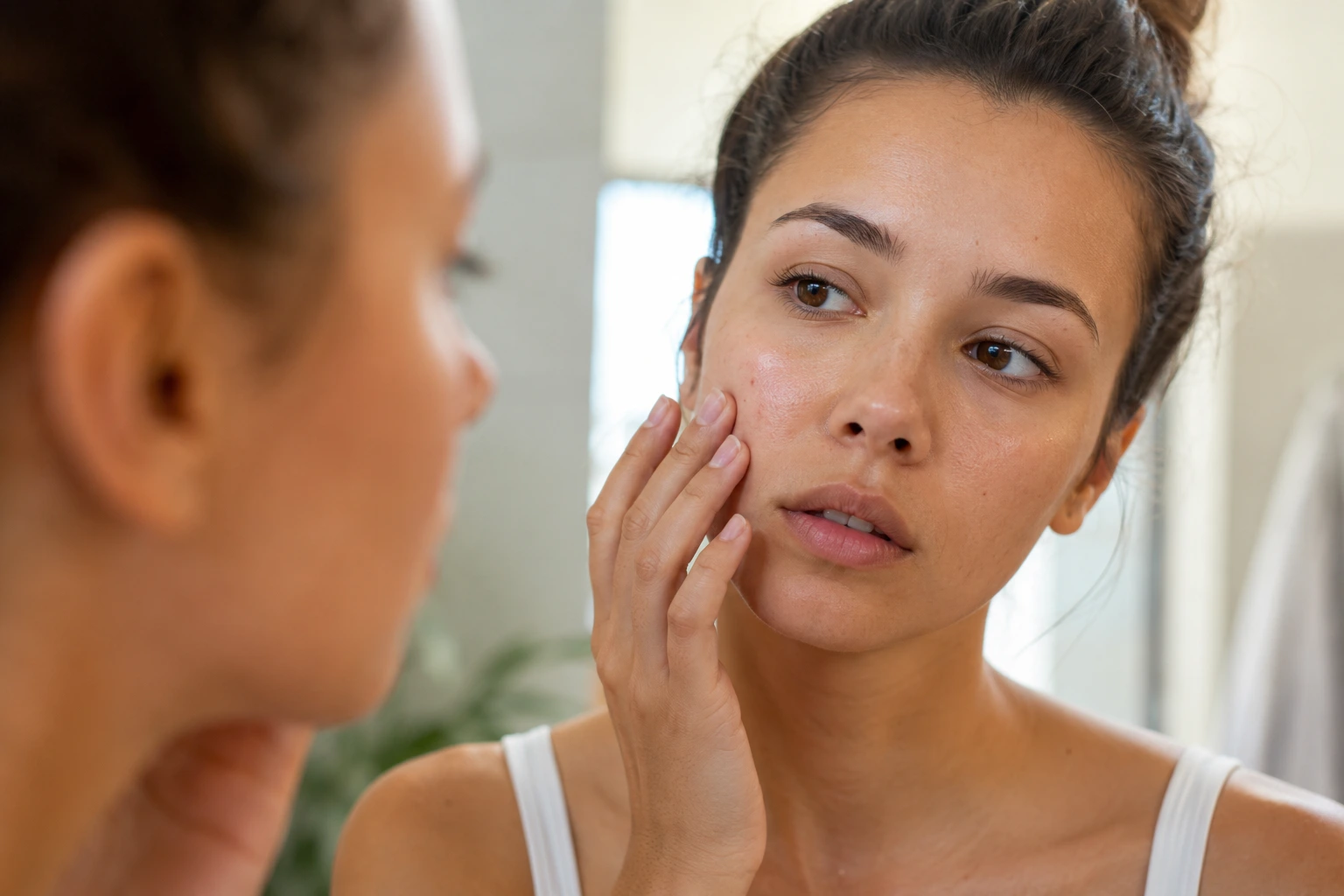
Your skin feels tight, looks red, and reacts to everything you touch – that’s your skin barrier screaming for help, and this skin barrier repair routine is exactly what you need to get it back on track.
Understanding the skin barrier
Your skin barrier is like a protective wall made up of lipids and dead skin cells that work together to keep moisture in and harmful invaders out. Think of it as the difference between a well-sealed house and one with cracks in the foundation. When your barrier is healthy, your skin feels smooth and resilient. When it breaks down, everything changes. You might notice your skin becomes dry no matter how much moisturizer you apply, or it gets red and inflamed after using products that never bothered you before. Seniors often experience barrier damage from decades of sun exposure, harsh weather, or using the wrong skincare products. A compromised barrier can lead to sensitivity, increased wrinkles, and even skin infections. The good news is that understanding how your barrier works is the first step toward fixing it. Your barrier naturally renews itself every two to four weeks, which means with the right approach, you can see real improvement relatively quickly.
- Recognize signs of a compromised skin barrier, such as dryness, redness, or sensitivity.
- Avoid harsh cleansers and over-exfoliation that can damage the barrier.
- Choose products rich in ceramides, fatty acids, and niacinamide to repair the skin barrier.
Gentle cleansing techniques
Cleansing is where most people accidentally damage their barrier without realizing it. If you are using hot water and scrubbing your face like you are washing dishes, you are stripping away the natural oils your skin desperately needs. The solution is simpler than you think. Start by using lukewarm water, not hot, because heat opens your pores and can leave your skin feeling tight afterward. Choose a cleanser labeled as gentle, creamy, or milk-based rather than foaming formulas that tend to be too harsh. A common mistake is cleansing too frequently or too vigorously. Once in the morning and once at night is enough for most seniors. When you cleanse, use your fingertips in gentle circular motions for about 30 seconds, then rinse thoroughly. Some dermatologists recommend double cleansing in the evening: first with an oil-based cleanser to remove makeup and sunscreen, then with a gentle water-based cleanser. This approach removes impurities without stripping your skin. Pat your face dry gently with a soft towel rather than rubbing, which can irritate sensitive skin.
📘 Fix your day in under 2 minuteschoose where to begin:
Hydration and moisturization
Hydration and moisturization work differently, and understanding this distinction changes everything for barrier repair. Hydration means adding water to your skin, while moisturization means trapping that water in place with oils and emollients. Many seniors focus only on moisturizers and wonder why their skin still feels parched. The answer is that you need both. Start with a hydrating toner or essence applied to damp skin immediately after cleansing. These products are lighter and absorb quickly, delivering hydration deep into your skin. Next, apply a moisturizer while your skin is still slightly damp to lock in that hydration. Look for moisturizers containing hyaluronic acid, glycerin, or humectants that draw water into your skin. For extra barrier support, add a facial oil or occlusive product as the final step at night. Seniors with very dry skin often benefit from layering multiple lightweight products rather than using one heavy cream. For example, you might apply a hydrating serum, then a lightweight moisturizer, then a facial oil. This approach provides more comfort and better absorption than a single thick product. Pay special attention to areas that feel the driest, like around your eyes and mouth.
Barrier-boosting ingredients
Certain ingredients are like superheroes for your skin barrier, and knowing which ones to look for makes shopping for products much easier. Ceramides are lipids that naturally exist in your skin and form the mortar between skin cells. When your barrier is damaged, ceramides are depleted, so replenishing them is crucial. Look for products listing ceramides in the first five ingredients. Hyaluronic acid is a humectant that can hold up to 1000 times its weight in water, making it invaluable for hydration. Niacinamide, also called vitamin B3, strengthens your barrier and reduces inflammation, which is why it appears in so many barrier repair products. Squalane is a plant-derived oil that mimics your skin’s natural sebum and absorbs quickly without feeling greasy. Fatty acids like linoleic acid and linolenic acid are essential for barrier function. A real-life example: a 68-year-old woman with reactive, red skin added a ceramide-rich moisturizer and a niacinamide serum to her routine. Within three weeks, her redness decreased noticeably, and her skin felt less tight. These ingredients work best when used consistently over time, so patience is important.
Sun protection and environmental factors
Sun damage is one of the biggest threats to your skin barrier, and it is never too late to start protecting yourself. UV rays break down collagen and elastin, damage skin cells, and weaken your barrier’s ability to function. This is why dermatologists emphasize that sunscreen is not optional for barrier repair. Use a broad-spectrum SPF 30 or higher every single day, even on cloudy days and even if you spend most of your time indoors. Reapply every two hours if you are outside. Beyond sunscreen, consider physical barriers like wide-brimmed hats, long sleeves, and seeking shade during peak sun hours between 10 a.m. and 4 p.m. Environmental stressors like pollution, wind, and dry air also damage your barrier. If you live in a dry climate or near a city with high pollution, you may need extra barrier support. Using a humidifier at night adds moisture to the air and helps your skin retain hydration. Antioxidant products like vitamin C serums provide additional protection by neutralizing free radicals created by sun and pollution exposure. A practical tip: keep a travel-size moisturizer in your bag to reapply during the day if your skin feels tight, especially in winter or in air-conditioned environments.
Understanding the importance of the skin barrier, adopting gentle cleansing techniques, prioritizing hydration and moisturization, incorporating barrier-boosting ingredients, and focusing on sun protection are key elements of an effective skin barrier repair routine.
How long does it take to repair a compromised skin barrier?
The time taken to repair a compromised skin barrier varies depending on the severity of the damage and individual skin characteristics. With consistent care and the right products, improvements can often be seen within a few weeks to a few months.
Can I repair my skin barrier at home?
Yes, you can repair your skin barrier at home by following a gentle and consistent skincare routine that focuses on hydration, moisturization, and barrier-strengthening ingredients. Consult a dermatologist for personalized recommendations if needed.
Others also read:
Disclaimer: This article is for informational purposes only and is not a substitute for professional medical advice. Always consult a healthcare professional for personal guidance.
This guide has been prepared and reviewed by the GlobalHealthBeacon editorial team and reflects current medical research as of 2026. It provides structured, evidence-based information to support informed health decisions.
