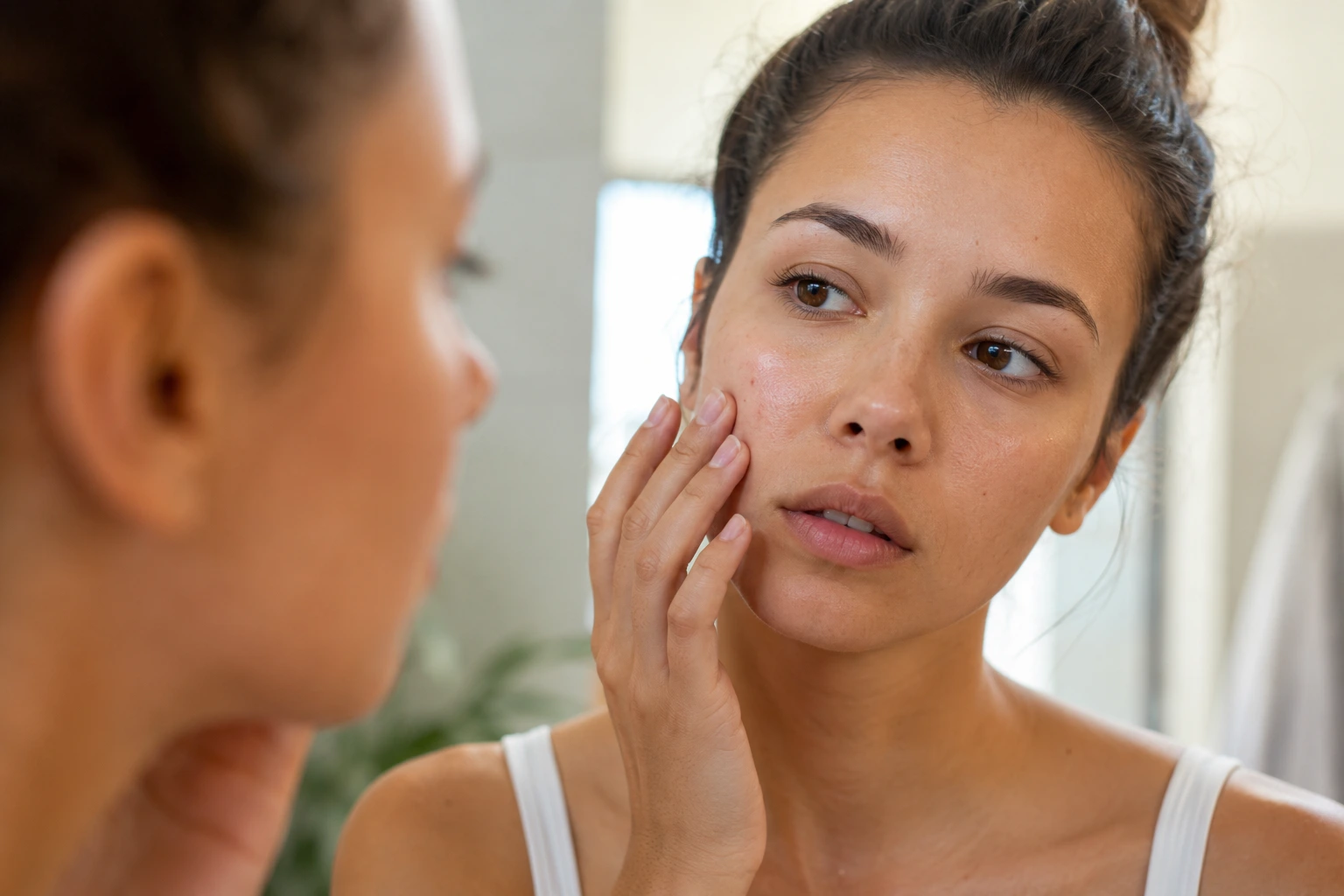
Your skin feels tight, itchy, and reactive to everything you throw at it, and you’re exhausted from trying random products that promise to fix your skin barrier repair routine but just make things worse.
Understanding the skin barrier
Your skin barrier is essentially your body’s first line of defense, a sophisticated protective system that works 24/7 to keep harmful substances out while locking beneficial moisture in. Think of it as a brick-and-mortar structure where skin cells are the bricks and lipids (fats) act as the mortar holding everything together. This barrier consists of multiple layers, with the outermost layer called the stratum corneum being particularly crucial. It’s composed of roughly 15 to 20 layers of flattened, dead skin cells bound together by ceramides, cholesterol, and fatty acids. When this barrier functions properly, it maintains your skin’s natural pH balance, prevents water loss through evaporation, and keeps irritants and pathogens from penetrating deeper into your skin. Young adults often underestimate how delicate this system is, especially when they’re experimenting with new products or routines. Understanding this basic architecture helps explain why certain damage occurs and how repair actually works at a cellular level.
Causes of skin barrier damage
Barrier damage rarely happens overnight. Instead, it’s usually the result of repeated stress on your skin from multiple sources working together. Harsh cleansers strip away lipids, leaving your skin feeling squeaky clean but actually compromised. Hot water opens your pores and accelerates lipid loss, which is why dermatologists recommend lukewarm showers. UV radiation damages the proteins and lipids in your barrier through oxidative stress, essentially aging your barrier faster than it can repair itself. Pollution particles settle on your skin and create inflammation that weakens the barrier’s integrity. Overexfoliation is particularly problematic for young adults who think more exfoliation equals better skin. Using physical scrubs or chemical exfoliants more than two to three times weekly strips away the protective lipid layer faster than your skin can regenerate it. Products containing high concentrations of alcohol act as solvents, dissolving the lipids that hold your barrier together. Even stress and poor sleep disrupt your skin’s natural repair cycle, reducing the production of ceramides and other barrier-supporting compounds. Recognizing these culprits helps you identify which habits might be sabotaging your skin.
Effective barrier repair strategies
Repairing your barrier requires a strategic shift toward gentleness and nourishment rather than aggressive treatment. Start by switching to a creamy, fragrance-free cleanser that removes dirt without stripping lipids. Avoid water that’s too hot, as this accelerates lipid loss and increases inflammation. The key is incorporating ingredients that directly replenish what’s been lost. Ceramides are essential because they’re literally the mortar between your skin cells, and applying them topically helps restore the barrier’s structural integrity. Hyaluronic acid works differently by drawing moisture into your skin and holding it there, which plumps your skin and reduces the appearance of damage while your barrier heals. Niacinamide supports barrier function by boosting ceramide production and reducing inflammation. Cholesterol is another critical lipid that your barrier needs. Many people skip barrier repair because they expect overnight results, but meaningful repair typically takes consistent effort over several weeks. Think of it like physical therapy for your skin. You wouldn’t expect a sprained ankle to heal in three days, and your barrier works similarly. The goal is creating an environment where your skin can naturally regenerate its protective lipid layer without further assault.
- Choose a mild, fragrance-free cleanser that feels creamy rather than foamy.
- Integrate a hydrating serum with ceramides and niacinamide into your routine.
- Use a moisturizer containing hyaluronic acid and cholesterol to seal in hydration.
🔬 Science-backed benefits in 2 minuteschoose where to begin:
Importance of moisturization
Moisturizing isn’t just about making your skin feel soft. It’s a critical step in barrier repair because moisturizers serve multiple functions simultaneously. They seal in the water your skin absorbs from cleansing, preventing evaporation that would otherwise leave your barrier more vulnerable. Emollients like shea butter, squalane, and plant oils fill in gaps between skin cells and replenish lost lipids. Humectants like glycerin and hyaluronic acid draw moisture from the environment and deeper skin layers into your stratum corneum. When you layer these ingredients correctly, you create an occlusive barrier that gives your skin the stable environment it needs to heal. Many young adults skip moisturizer thinking it will make their skin oily, but a damaged barrier often overproduces oil as a desperate attempt to compensate for lost lipids. Proper moisturization actually reduces this compensatory oil production by signaling to your skin that its barrier is healthy. The timing matters too. Applying moisturizer to damp skin immediately after cleansing locks in more water than applying it to completely dry skin. This simple habit can significantly accelerate your barrier repair timeline.
Sun protection for barrier health
UV radiation doesn’t just cause sunburn. It damages the proteins in your skin’s collagen and elastin, breaks down lipids in your barrier, and generates free radicals that trigger inflammation. When your barrier is already compromised, sun exposure accelerates the damage exponentially. A broad-spectrum sunscreen with SPF 30 or higher blocks both UVA and UVB rays, protecting the lipids and proteins your barrier needs to function. Young adults often think sunscreen is only necessary at the beach, but daily UV exposure during your commute, lunch break, or outdoor activities accumulates over time. The cumulative damage is what ages your barrier prematurely. Mineral sunscreens containing zinc oxide or titanium dioxide sit on top of your skin and reflect UV rays, which can be gentler for compromised barriers. Chemical sunscreens absorb into your skin and convert UV energy into heat, which works well for most people but might irritate a damaged barrier initially. Reapplying sunscreen every two hours, especially if you’re sweating or swimming, maintains protection. Protecting your barrier from further UV damage while it heals is like putting a cast on a broken bone. You wouldn’t expose a healing injury to stress, and your barrier deserves the same protection.
Nutrition and skin barrier health
Your skin barrier is built from the nutrients you consume, so diet directly impacts how quickly and effectively it repairs. Omega-3 fatty acids found in fatty fish, walnuts, and flaxseeds are structural components of your skin cell membranes and help maintain barrier lipids. Vitamin A supports skin cell turnover and lipid production, making it essential for barrier regeneration. Vitamin C is a powerful antioxidant that protects against free radical damage from UV exposure and pollution while supporting collagen synthesis. Vitamin E works synergistically with vitamin C to neutralize oxidative stress. Antioxidants from colorful fruits and vegetables like berries, spinach, and sweet potatoes reduce systemic inflammation that impairs barrier repair. Zinc supports skin healing and immune function, protecting your barrier from infection. Adequate protein provides amino acids your skin needs to synthesize new skin cells and structural proteins. Young adults often focus on topical skincare while neglecting nutrition, but you can’t repair your barrier from the outside alone if you’re not providing the raw materials from within. Think of it as building a house. You can paint the walls beautifully, but if the foundation is weak, the structure won’t hold. Consistent nutrition supports your barrier repair from the inside while topical products work from the outside.
Your skin barrier is a complex, living system that requires understanding, patience, and consistent support to repair effectively. The science is clear: gentle cleansing, hydrating ingredients like ceramides and hyaluronic acid, proper moisturization, daily sun protection, and nutrient-rich nutrition work together to restore barrier function. Barrier repair isn’t a quick fix but rather a commitment to treating your skin with the gentleness it deserves. By recognizing what damages your barrier and implementing these evidence-based strategies, you’re not just addressing current damage but building habits that prevent future compromise. Young adults who invest in barrier health now often find their skin becomes more resilient, less reactive, and genuinely healthier over time.
How long does it take to repair a damaged skin barrier?
Barrier repair timelines vary significantly based on the extent of damage and your individual skin characteristics. Mild damage with consistent barrier-friendly practices typically shows improvement within two to four weeks. More severe damage may require six to twelve weeks of dedicated care. Your skin naturally regenerates its outer layer approximately every two to four weeks, so meaningful repair requires at least one complete skin cycle. Factors like age, genetics, overall health, and adherence to a repair routine all influence speed. Some people see results faster because their skin has better inherent healing capacity. The key is consistency rather than intensity. Using barrier-repair products sporadically won’t accelerate healing, but daily commitment to gentle cleansing, hydration, and protection compounds over time.
Can over-exfoliation worsen skin barrier function?
Yes, excessive exfoliation is one of the most common ways young adults damage their barrier without realizing it. Exfoliation removes dead skin cells, but it also strips away the lipids that hold your barrier together. Physical exfoliants like scrubs are particularly harsh because they create micro-tears in your skin. Chemical exfoliants using acids or enzymes are gentler but still disrupt your barrier when used too frequently. Using exfoliants more than two to three times weekly overwhelms your skin’s ability to regenerate its lipid layer. Many young adults exfoliate daily thinking it prevents breakouts, but over-exfoliation actually triggers more breakouts by damaging your barrier and causing inflammation. Once your barrier is compromised, it becomes more reactive and prone to sensitivity. If you’ve been over-exfoliating, the best approach is stopping exfoliation entirely for several weeks while you rebuild your barrier, then reintroducing gentle exfoliation sparingly once your barrier has recovered.
Others also read:
Disclaimer: This article is for informational purposes only and is not a substitute for professional medical advice. Always consult a healthcare professional for personal guidance.
This article has been prepared and reviewed by the GlobalHealthBeacon editorial team and is based on current medical research and published scientific literature available in 2026. It provides structured, evidence-based information to support informed health decisions.
