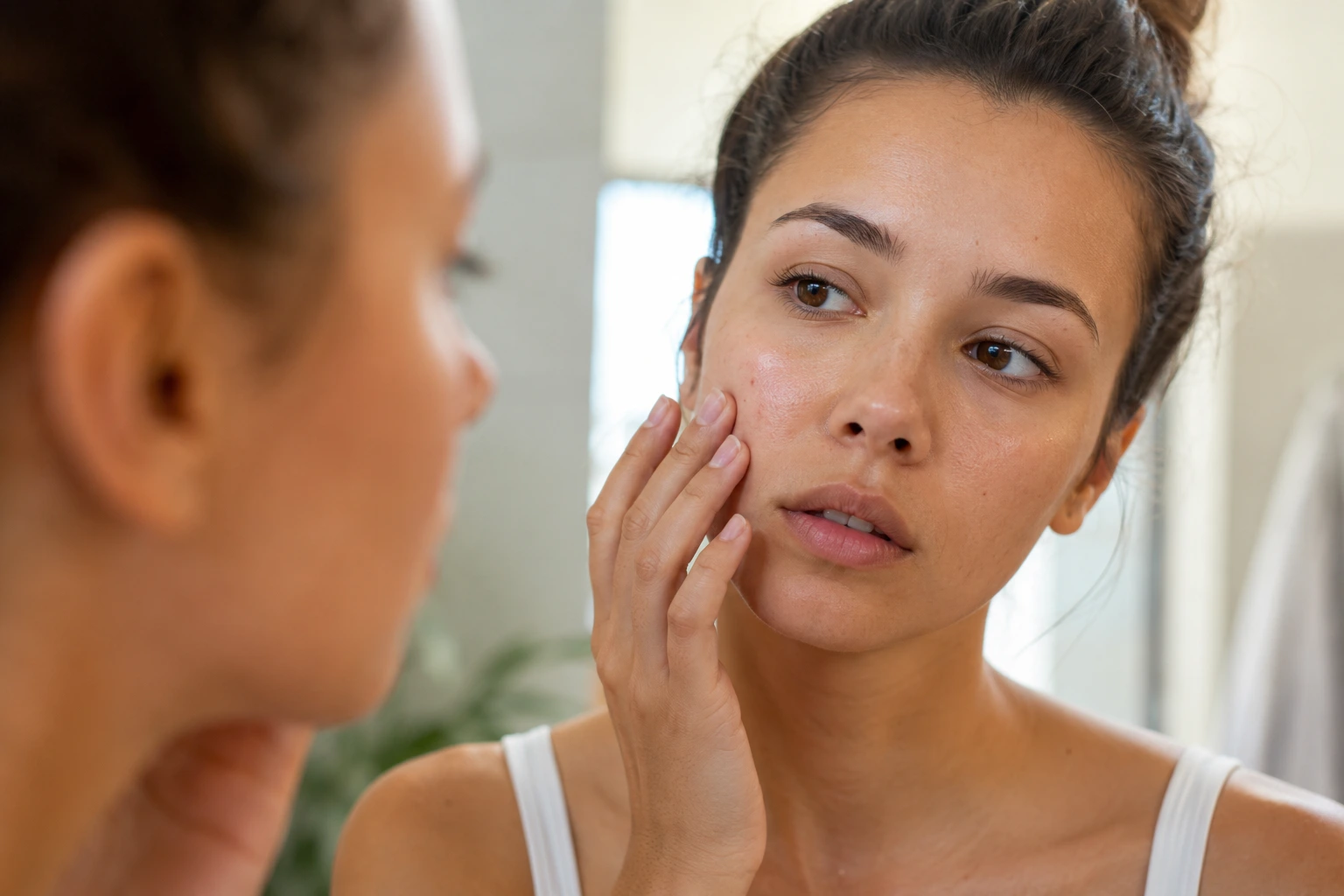
Your skin feels tight, looks red, and no matter what you slather on it just gets worse, so let’s fix your skin barrier repair routine with a practical plan that actually delivers results.
Understanding the skin barrier
Your skin barrier is essentially your body’s first line of defense against the world. Think of it as a brick-and-mortar wall where ceramides and fatty acids form the mortar holding everything together. When this barrier weakens, moisture escapes and irritants slip in, leaving you with that uncomfortable tight, reactive feeling. This happens more often than you might think, especially if you’ve been using harsh products, over-exfoliating, or dealing with environmental stress. Women often notice their barrier compromised after switching skincare routines too frequently or using products with high concentrations of active ingredients without proper spacing. The good news is that understanding what’s happening beneath the surface helps you take targeted action. A healthy barrier maintains hydration, regulates oil production, and keeps sensitivity at bay. When you know what you’re working with, repair becomes less mysterious and more achievable.
- Hydrate from within by drinking plenty of water.
- Avoid harsh cleansers that strip your skin of its natural oils.
- Incorporate barrier-supporting ingredients like ceramides and fatty acids into your skincare routine.
Gentle cleansing techniques
Cleansing is where most barrier damage actually starts, even though it feels like the most innocent step. Many women unknowingly use water that’s too hot or cleansers formulated for oily skin when their barrier is already compromised. The key is switching to a creamy, milk-based, or oil cleanser that removes makeup and dirt without that squeaky-clean feeling that signals stripped skin. Lukewarm water is your friend here, not the hot shower water that feels amazing but devastates your skin. Massage your cleanser gently in circular motions for about 30 seconds, then rinse thoroughly. Avoid the urge to scrub or use washcloths, which create micro-tears. If you wear makeup, consider double cleansing with an oil-based cleanser first, followed by a gentle cream cleanser. Pat your skin dry rather than rubbing, and do this twice daily. This simple shift in technique can make a noticeable difference within a week.
📘 Fix your day in under 2 minuteschoose where to begin:
Moisture is key
After cleansing, your skin is primed to absorb moisture, but not all moisturizers are created equal when your barrier needs repair. Look for products containing hyaluronic acid, which holds up to 1000 times its weight in water, and glycerin, which draws moisture into the skin. Ceramides like ceramide NP, AP, and EOP are non-negotiable because they literally rebuild that brick-and-mortar structure. Apply moisturizer to damp skin within two minutes of cleansing to lock in hydration. If your skin is severely compromised, consider layering a hydrating toner or essence before your moisturizer for extra moisture support. Many women find that richer creams work better than lightweight lotions during the repair phase. You might also benefit from a facial oil as the final step, which creates an occlusive seal. This doesn’t mean your skin will feel greasy; it means your moisture stays put instead of evaporating throughout the day.
Sun protection
UV damage is one of the biggest barrier killers, yet many women skip sunscreen during their repair phase, thinking their skin is too sensitive. This is a critical mistake because sun exposure accelerates moisture loss and deepens inflammation. A damaged barrier is actually more vulnerable to UV damage, not less. Use a broad-spectrum SPF 30 or higher daily, even on cloudy days and even if you’re mostly indoors. Mineral sunscreens with zinc oxide or titanium dioxide tend to be gentler on compromised skin than chemical sunscreens, though you’ll need to find what works for your skin type. Apply sunscreen as the last step in your morning routine, about 15 minutes before sun exposure. Reapply every two hours if you’re outdoors, or after swimming or sweating. Consider using a powder sunscreen for touch-ups throughout the day if your skin is oily. This single habit prevents your barrier repair efforts from being undone by environmental damage.
Nutrition for healthy skin
What you eat directly impacts your skin’s ability to repair itself from the inside out. Your skin barrier relies on healthy fats to function, so omega-3 fatty acids from fatty fish like salmon, mackerel, and sardines are essential. If you don’t eat fish, flaxseeds, chia seeds, and walnuts provide plant-based alternatives. Antioxidants from colorful fruits and vegetables like berries, spinach, and bell peppers protect your skin from oxidative stress that weakens the barrier. Vitamin C supports collagen production, which provides structural support to your skin. Zinc, found in oysters, beef, and pumpkin seeds, is crucial for skin healing and barrier function. Hydration matters too, so aim for at least eight glasses of water daily, more if you exercise or live in a dry climate. Many women notice their skin improves noticeably within two to three weeks of dietary changes combined with topical care. Think of nutrition as the foundation that makes your skincare routine actually work.
Repairing your skin barrier requires a coordinated approach across five key areas: understanding what your barrier does, switching to gentle cleansing, investing in moisture-rich products, protecting from sun damage, and supporting repair through nutrition. Consistency matters more than perfection, and most women see meaningful improvement within four to six weeks of following this routine. Your barrier didn’t break overnight, and it won’t repair overnight either, but these practical steps create the conditions for genuine healing.
How long does it take to repair a damaged skin barrier?
The time taken to repair a damaged skin barrier can vary depending on the severity of the issue and individual skin types. Consistency with a proper skincare routine is key for effective repair.
Can lifestyle choices affect skin barrier health?
Yes, factors like diet, hydration levels, sun exposure, and skincare products used can impact the health of your skin barrier. Making healthy choices can help support and maintain a strong barrier.
Others also read:
Disclaimer: This article is for informational purposes only and is not a substitute for professional medical advice. Always consult a healthcare professional for personal guidance.
This guide has been prepared and reviewed by the GlobalHealthBeacon editorial team and reflects current medical research as of 2026. It provides structured, evidence-based information to support informed health decisions.
