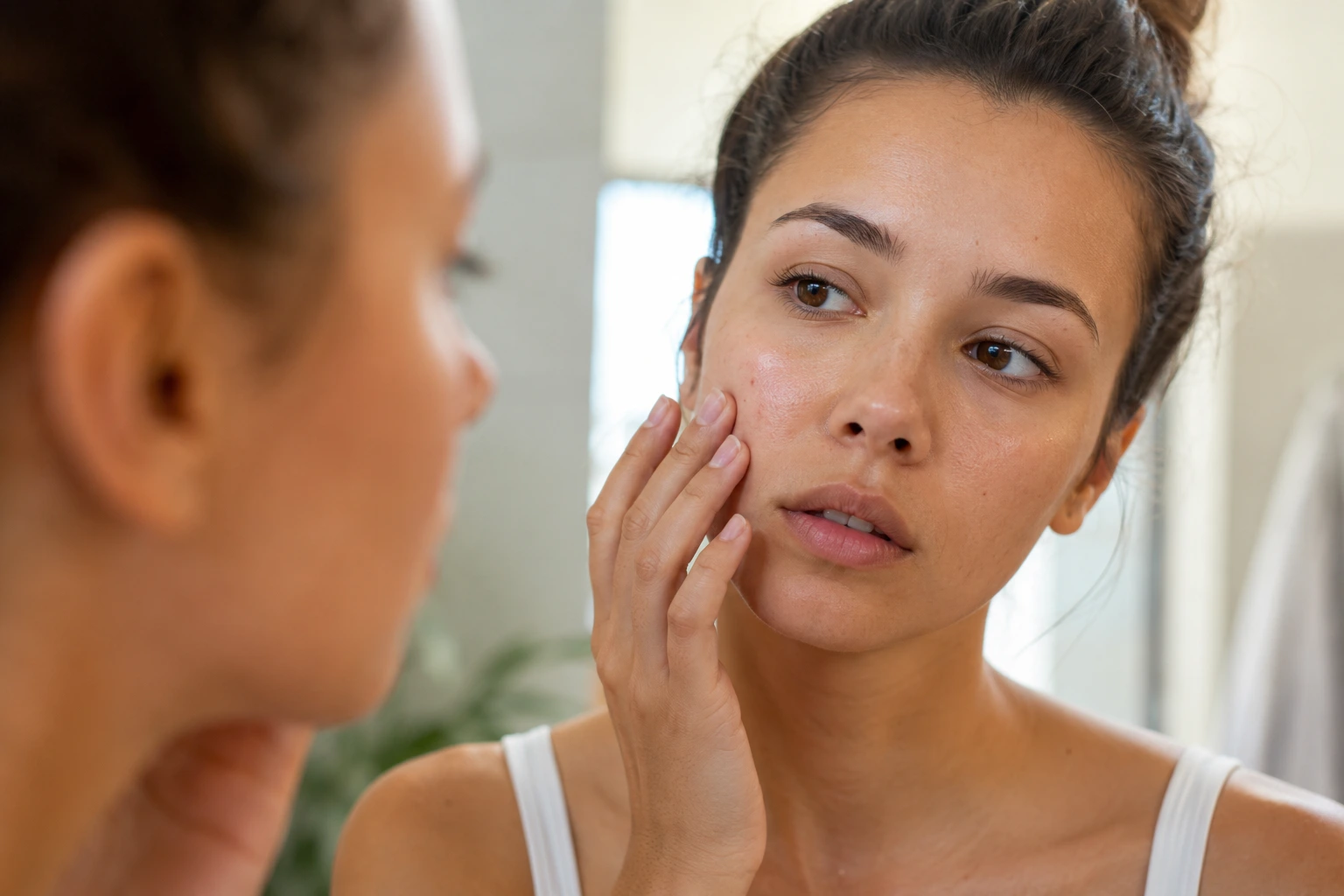
Your skin feels tight, itchy, and reactive to everything you touch, and no amount of moisturizer seems to fix it because your skin barrier is actually broken, not just dry, and understanding how to rebuild your skin barrier repair routine naturally is the only thing that’s going to stop this cycle.
Understanding the skin barrier
Your skin barrier is essentially your body’s first line of defense, and it’s far more sophisticated than most people realize. Think of it as a brick-and-mortar structure where lipids (the mortar) hold together dead skin cells (the bricks) to create a protective wall. This barrier does critical work: it locks moisture in and keeps harmful substances out. As you age, this system naturally weakens. The lipid production slows, the skin cells don’t shed as efficiently, and the overall thickness of this protective layer diminishes. For someone in their 60s or 70s, this isn’t just cosmetic. A compromised barrier means your skin loses water faster, becomes more sensitive to irritants, and struggles to heal from minor damage. You might notice your skin looking dull because it’s dehydrated at the cellular level, or you might experience unexpected sensitivity to products you’ve used for years. Understanding this biological reality helps explain why your skin has changed and why a targeted repair approach works differently than general moisturizing.
Causes of skin barrier damage
Barrier damage rarely happens overnight. It’s usually the result of years of accumulated stress on your skin. Sun exposure is the primary culprit for most people. UV radiation breaks down collagen and lipids, and even if you’ve been careful with sunscreen, decades of exposure add up. Then there are the everyday habits that quietly erode your barrier: using water that’s too hot, over-cleansing with harsh soaps, or applying products with high concentrations of active ingredients like retinoids or acids without proper spacing. Pollution and environmental toxins also play a role, especially if you live in an urban area. Your genetics matter too. Some people naturally produce less sebum and have a thinner stratum corneum, making them more vulnerable to barrier damage. Additionally, certain health conditions like eczema or rosacea predispose you to barrier issues. Even stress and poor sleep can affect barrier function because your body produces less of the hormones needed for skin repair during these times. Recognizing which factors apply to you helps you avoid repeating the same damage while you work on repair.
Effective repair strategies
Repairing your barrier is about simplification and consistency, not adding more products. Start with cleansing because how you wash your face sets the foundation. A gentle, creamy cleanser removes dirt without stripping lipids. Lukewarm water is crucial here, not hot water, which opens pores and increases water loss. After cleansing, your skin is most receptive to repair ingredients. Ceramides are the star player because they’re literally the lipids your barrier is missing. Hyaluronic acid works differently, drawing water into the skin and holding it there. Together, they address both the structural and hydration aspects of barrier repair. Antioxidants like Vitamin C and E protect against ongoing free radical damage from sun and pollution, preventing further deterioration while repair happens. The order matters: cleanse, apply hydrating toner or essence if your skin is very dry, apply ceramide and hyaluronic acid products, then seal everything with an occlusive moisturizer. This layering approach gives your barrier the best chance to rebuild. Many people see noticeable improvement within two to three weeks of consistent use, though full barrier restoration typically takes six to eight weeks.
- Choose a mild, creamy cleanser suited to your skin type and use lukewarm water to avoid stripping natural oils.
- Select products containing ceramides and hyaluronic acid as your core repair ingredients for barrier restoration.
- Look for antioxidants like Vitamin C and E in your skincare to combat free radical damage and prevent further barrier breakdown.
- Apply products in the correct order: cleanser, hydrating essence, ceramide and hyaluronic acid serums, then occlusive moisturizer.
- Use this routine consistently twice daily for at least six to eight weeks to allow your barrier to fully rebuild.
🔬 Science-backed benefits in 2 minuteschoose where to begin:
Barrier repair treatments
Beyond your daily routine, targeted treatments can accelerate barrier repair. Moisturizers with barrier-nurturing ingredients like ceramides, cholesterol, and fatty acids work because they mimic the natural lipid composition of a healthy barrier. Emollients soften and smooth the skin surface, while occlusives like petrolatum or dimethicone create a seal that prevents water loss. Some people benefit from adding a facial oil as the final step at night, which provides an extra layer of protection while you sleep. Professional treatments also exist. A dermatologist might recommend a hydrating facial or suggest prescription-strength barrier repair creams if over-the-counter products aren’t sufficient. In some cases, especially if barrier damage is severe or accompanied by conditions like eczema, targeted treatments become necessary. The key is recognizing when your barrier needs professional support versus what you can manage at home. Starting with a dermatologist consultation ensures you’re not missing an underlying condition that’s preventing barrier repair, and it gives you confidence that your chosen approach is appropriate for your specific situation.
Lifestyle changes for skin health
Your barrier repairs from the inside out as much as from topical application. Hydration is fundamental, not just drinking water but maintaining consistent moisture intake throughout the day. Your skin cells need water to function properly, and dehydration at the systemic level shows up as barrier dysfunction. Nutrition matters significantly. Essential fatty acids from sources like salmon, walnuts, and flaxseeds provide the building blocks your body uses to produce skin lipids. Antioxidant-rich foods like berries, dark leafy greens, and colorful vegetables protect against the oxidative stress that damages barrier function. Sleep is when your body does most of its repair work, including skin barrier restoration. Aim for seven to nine hours consistently because irregular sleep disrupts the hormones that regulate skin health. Sun protection remains critical even while repairing your barrier. UV exposure continues to damage lipids and collagen, so daily broad-spectrum sunscreen with at least SPF 30 is non-negotiable. Avoiding smoking is equally important because smoking accelerates collagen breakdown and reduces blood flow to the skin, both of which impair barrier repair. These lifestyle factors work synergistically with your skincare routine to create an environment where your barrier can actually heal.
Future of skin barrier repair
The skincare science landscape is evolving rapidly, and understanding emerging research helps you make informed choices about your routine. Researchers are investigating novel ingredients like phytosphingosine and plant-derived ceramides that may offer enhanced barrier repair compared to traditional options. Biotechnology is producing more sophisticated delivery systems that help active ingredients penetrate to the right skin layer without disrupting the barrier you’re trying to protect. Some studies are exploring the role of the skin microbiome in barrier function, suggesting that supporting beneficial bacteria on your skin surface may enhance repair. Personalized skincare based on genetic testing is moving from experimental to accessible, potentially allowing you to tailor your routine to your specific barrier vulnerabilities. Staying informed about these advancements doesn’t mean chasing every new trend, but rather understanding the science behind products you’re considering. When you read about a new barrier repair ingredient, you can evaluate whether it addresses a specific need in your routine or if your current approach is already working. This informed perspective helps you adapt your routine thoughtfully as your skin changes and as science provides better tools for barrier restoration.
Research uncovers effective strategies for skin barrier repair in aging skin, emphasizing gentle cleansers, barrier-strengthening ingredients, antioxidants, and healthy lifestyle habits. Stay informed about evolving skincare approaches for sustained skin health.
How often should I apply moisturizer for skin barrier repair?
Apply moisturizer at least twice daily to maintain hydration and support skin barrier repair. Choose a product formulated with barrier-nurturing ingredients for optimal results.
Can diet influence skin barrier function?
Yes, a diet rich in essential fatty acids, vitamins, and antioxidants can promote skin barrier health. Include foods like salmon, avocado, nuts, and leafy greens in your diet for improved skin resilience.
Others also read:
Disclaimer: This article is for informational purposes only and is not a substitute for professional medical advice. Always consult a healthcare professional for personal guidance.
This article has been prepared and reviewed by the GlobalHealthBeacon editorial team and is based on current medical research and published scientific literature available in 2026. It provides structured, evidence-based information to support informed health decisions.
