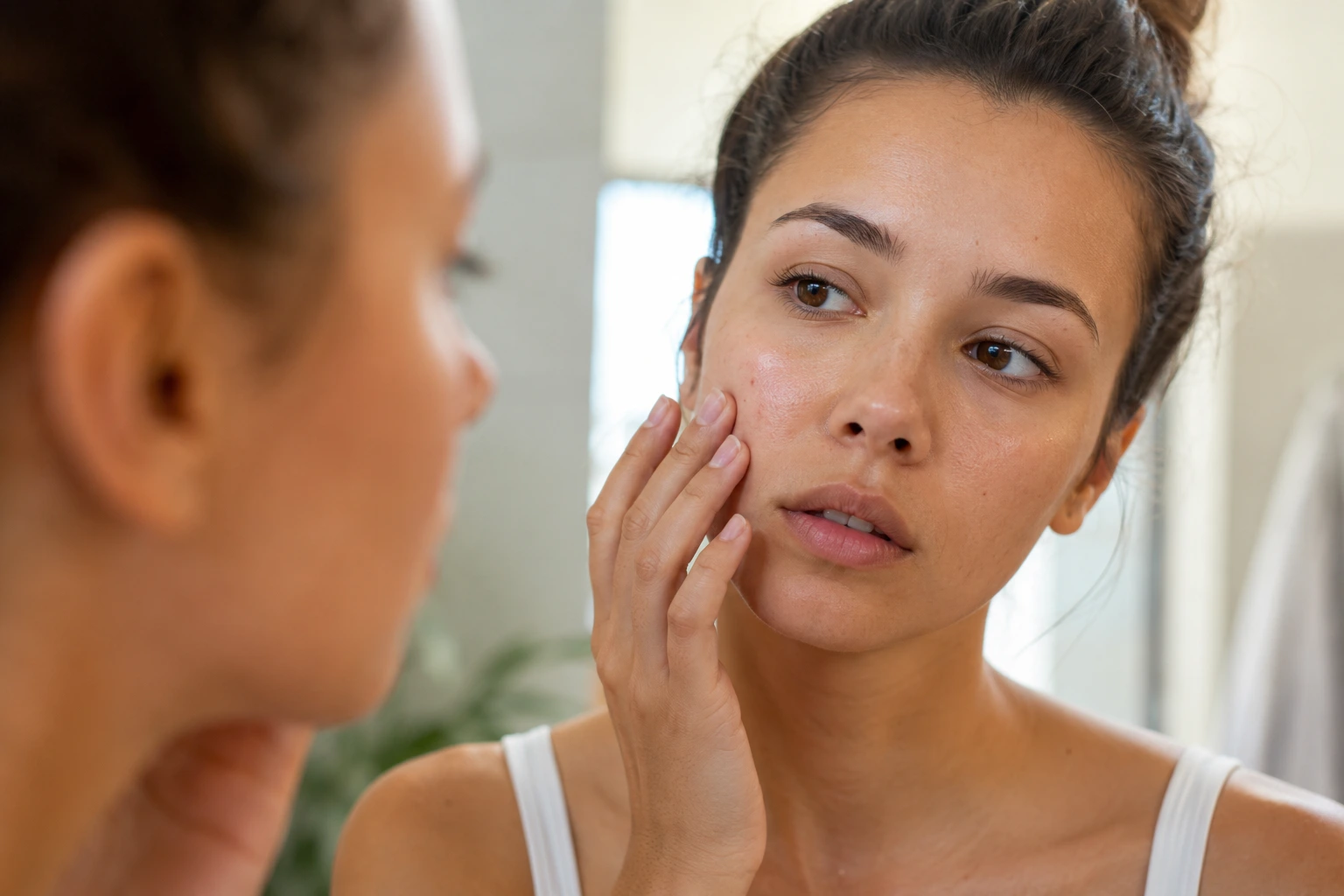
Your skin feels tight, itchy, and reactive to everything you touch, and you’re exhausted from trying random products that promise miracles but deliver nothing but frustration and wasted money, so let’s finally build you a real skin barrier repair routine that actually works.
Understanding the skin barrier
Your skin’s outermost layer, called the stratum corneum, functions like a brick-and-mortar wall protecting everything underneath. Think of it this way: the bricks are dead skin cells, and the mortar holding them together is made of lipids like ceramides, cholesterol, and fatty acids. When this barrier is intact, it keeps moisture locked in and harmful bacteria and irritants locked out. But when it breaks down, which happens more often than you might think, your skin becomes vulnerable. You might notice increased sensitivity to products you once tolerated, persistent redness, or that uncomfortable tight feeling even after moisturizing. Women often experience barrier disruption during hormonal shifts, seasonal changes, or after aggressive skincare routines. Understanding this structure isn’t just academic knowledge; it’s the foundation for knowing why certain repair strategies actually work and others don’t.
Causes of barrier disruption
Barrier damage rarely happens overnight. It’s usually a combination of factors working against your skin simultaneously. Harsh cleansers strip away those protective lipids, leaving your skin defenseless. Environmental stressors like pollution, extreme temperatures, and low humidity accelerate moisture loss. Some women have genetic predispositions to conditions like eczema or rosacea that make their barriers naturally more fragile. Over-exfoliating, whether with physical scrubs or chemical acids, removes the very cells your barrier needs to function. Even stress hormones like cortisol can trigger inflammatory responses that compromise barrier integrity. Certain medications and medical treatments can also weaken your barrier temporarily. The tricky part is that many of these triggers work silently. You might not realize your barrier is compromised until you’re dealing with persistent dryness, increased sensitivity to sunscreen, or unexplained breakouts. Identifying which factors are affecting your specific skin requires honest observation and sometimes a bit of detective work.
Key steps for barrier repair
Repairing your barrier is less about finding miracle products and more about creating a consistent, gentle routine that supports your skin’s natural healing process. Start with cleansing, but do it right. Your cleanser should have a pH between 4.5 and 5.5, matching your skin’s natural acidity, because alkaline cleansers disrupt the acid mantle that protects your barrier. Massage gently for no more than 60 seconds, then rinse with lukewarm water. Next comes hydration. Products containing hyaluronic acid, glycerin, or panthenol draw water into your skin and help it stay there. Apply these to damp skin immediately after cleansing for maximum absorption. Finally, seal everything in with a moisturizer containing ceramides, cholesterol, and fatty acids. These ingredients literally rebuild the lipid matrix your barrier needs. Many women make the mistake of skipping moisturizer because they think it will make them oily, but a compromised barrier actually needs this step more than healthy skin does. Think of it as feeding your skin the exact nutrients it’s missing.
- Use a gentle cleanser with a pH of 5.5 or below, applied for no more than one minute with light circular motions.
- Look for products with ceramides, cholesterol, and fatty acids to replenish the skin barrier’s lipid matrix.
- Avoid over-exfoliating, limit chemical exfoliants to once weekly maximum, and skip physical scrubs entirely during barrier repair.
🔬 Science-backed benefits in 2 minuteschoose where to begin:
Benefits of a consistent routine
Consistency is genuinely the secret ingredient that separates women who repair their barriers from those who keep struggling. When you stick with the same gentle routine for at least four to six weeks, your skin starts to rebuild its protective mechanisms. You’ll notice your skin feels less reactive to temperature changes and product ingredients. That tight, uncomfortable feeling diminishes. Your complexion becomes more even-toned because inflammation decreases. Many women report that their skincare products finally start working the way they’re supposed to, because the barrier is no longer compromised and preventing absorption. Beyond the physical improvements, there’s a psychological benefit too. You stop second-guessing yourself and buying new products every week. You develop confidence in your routine because you can see and feel the results. Your skin becomes more resilient, meaning it can better handle occasional stressors without completely falling apart. This resilience is what allows you to eventually reintroduce other skincare treatments like vitamin C serums or retinoids without triggering sensitivity.
Monitoring progress
Tracking your barrier repair journey helps you stay motivated and identify what’s actually working for your unique skin. Start by taking baseline photos in consistent lighting before you begin your routine, then repeat weekly. Notice changes in texture, smoothness, and overall appearance. Keep a simple log noting how your skin feels: is it still tight, itchy, or reactive? Does it feel softer and more comfortable? Pay attention to how your skin responds to products you previously couldn’t tolerate. If you can use a fragrance-free moisturizer without irritation, that’s progress. If your skin no longer burns when you apply sunscreen, that’s significant. Some women find it helpful to rate their skin’s condition on a scale of one to ten daily, which reveals patterns you might otherwise miss. You might discover that your barrier improves faster when you’re sleeping well and hydrating properly, or that certain environmental factors like heating systems in winter cause setbacks. This information becomes invaluable for maintaining your barrier health long-term.
Consulting a dermatologist
While many women successfully repair their barriers with a consistent routine, persistent issues warrant professional evaluation. A dermatologist can determine whether you’re dealing with simple barrier disruption or an underlying condition like atopic dermatitis, rosacea, or seborrheic dermatitis that requires different treatment. They can also identify whether certain ingredients in your routine might be triggering sensitivity rather than helping. Some women need prescription treatments like topical corticosteroids or calcineurin inhibitors to calm inflammation before barrier repair can truly begin. Others benefit from professional treatments like hydrafacials or light therapy that support barrier healing. A dermatologist can also rule out infections or other complications that might prevent your barrier from healing despite your best efforts. Think of professional consultation as an investment in understanding your skin at a deeper level, not as a failure of your DIY routine. Many women find that even one consultation provides clarity that saves them months of trial and error.
Understanding the skin barrier and its repair process is crucial for maintaining healthy skin. By following a structured routine with key steps like gentle cleansing, hydration, and moisturization, women can enhance their skin barrier function and address common skin concerns.
How long does it take to repair the skin barrier?
The timeline for skin barrier repair varies depending on individual skin conditions and the chosen skincare products. Consistent use of the right products can lead to visible improvements over time.
Are natural ingredients better for repairing the skin barrier?
Natural ingredients can be beneficial for some individuals, but efficacy varies. It’s essential to focus on ingredients proven to repair the skin barrier, such as ceramides, rather than solely on whether a product is natural.
Others also read:
Disclaimer: This article is for informational purposes only and is not a substitute for professional medical advice. Always consult a healthcare professional for personal guidance.
This article has been prepared and reviewed by the GlobalHealthBeacon editorial team and is based on current medical research and published scientific literature available in 2026. It provides structured, evidence-based information to support informed health decisions.
