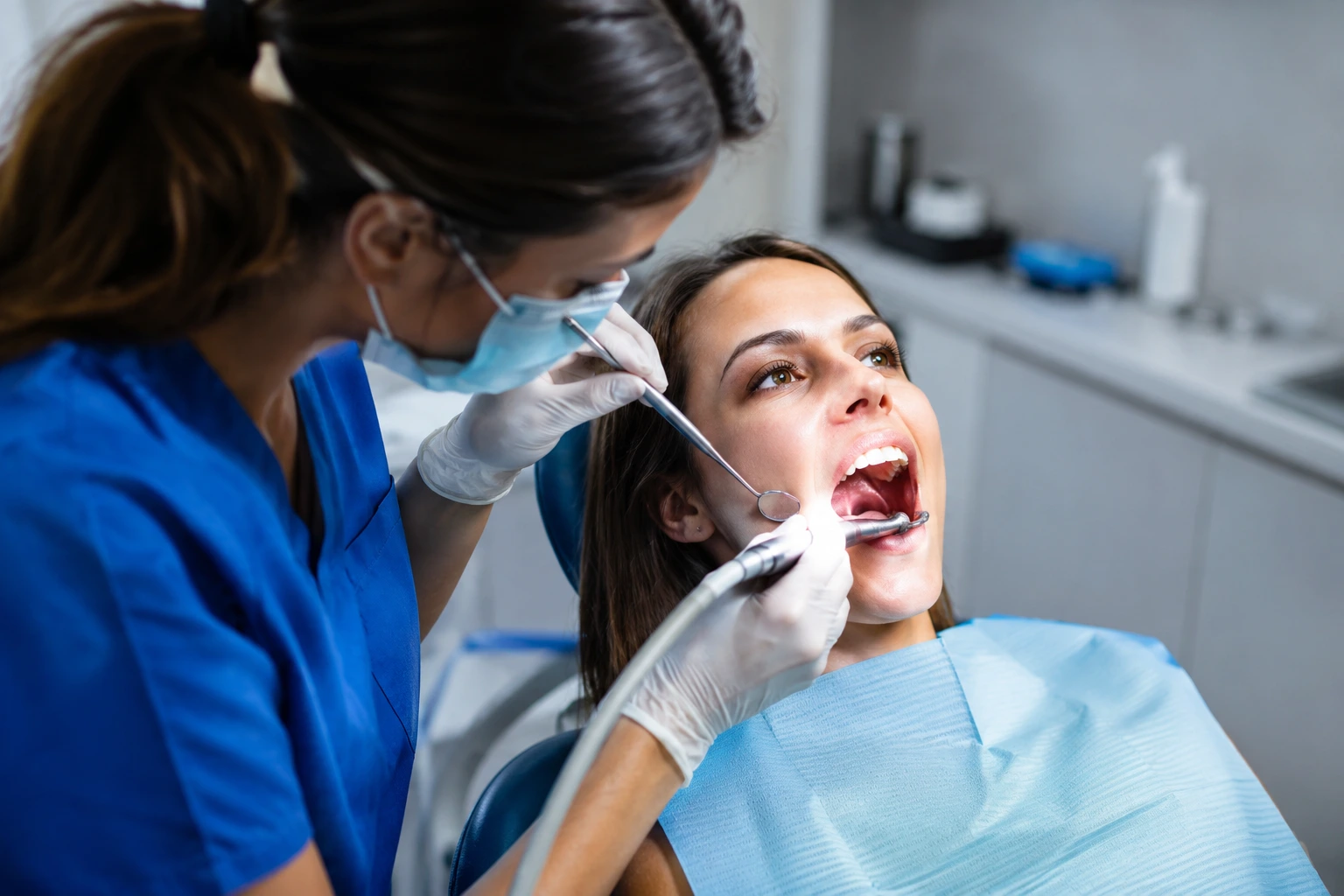
Your gums bleed when you floss, your breath smells off no matter how much you brush, and your dentist keeps mentioning gum disease like it’s inevitable – but a deep cleaning dental procedure might be the reset your mouth actually needs.
What is a deep cleaning dental procedure?
A deep cleaning, medically known as scaling and root planing, is a two-part treatment that targets the root cause of gum disease rather than just the surface. Unlike your standard six-month cleaning, which removes plaque and tartar from above the gumline, a deep cleaning goes underneath. Your dentist uses specialized instruments to scrape away hardened tartar from below the gum tissue and then smooths the tooth roots to help your gums reattach properly. Think of it like deep cleaning a carpet versus vacuuming the surface. The procedure typically takes one to four visits depending on how much buildup exists. Local anesthesia is applied so you stay comfortable throughout. Many young adults are surprised to learn that gum disease can develop silently, often without obvious symptoms until it progresses. By understanding what happens during this procedure, you gain clarity on why your dentist recommended it and what changes to expect in your mouth.
- Targets bacteria causing gum disease
- Involves scaling to remove tartar
- Root planing for smoother teeth roots
Why do young adults opt for deep cleaning?
Young adults often discover they need a deep cleaning during a routine checkup, which can feel surprising since gum disease is often associated with older age. The reality is that poor brushing habits, flossing neglect, stress, hormonal changes, or even genetics can trigger gum inflammation in your twenties and thirties. Common warning signs include bleeding gums when you brush or floss, persistent bad breath that mouthwash cannot mask, gum recession where teeth appear longer, or pockets forming between teeth and gums. Many young adults choose deep cleaning because catching gum disease early prevents serious complications like tooth loss, bone damage, or even systemic health issues linked to untreated periodontal disease. Consider Sarah, a 26-year-old who ignored bleeding gums for months thinking it was normal. After her deep cleaning, her gums stopped bleeding within weeks and she felt motivated to maintain better oral habits. Investing in this procedure now means protecting your natural teeth for decades to come.
📘 Fix your day in under 2 minuteschoose where to begin:
What to expect during a deep cleaning procedure
Walking into your deep cleaning appointment, you should expect the process to feel different from a regular cleaning. Your dentist will apply local anesthesia, usually through numbing gel followed by an injection, so you feel pressure but no sharp pain. The scaling phase involves using an ultrasonic scaler or hand instruments to carefully remove tartar deposits from below the gumline. You may hear buzzing sounds and feel vibrations, which is completely normal. The root planing phase follows, where your dentist smooths the tooth root surfaces to eliminate rough spots where bacteria hide. This typically takes longer than scaling. Most deep cleanings require multiple appointments, often split by quadrant of your mouth, allowing your gums to heal between sessions. Some bleeding and mild discomfort during the procedure is expected. Afterward, you might experience sensitivity to cold or hot foods for a few days, and your gums may feel tender. Your dentist will provide specific aftercare instructions including what foods to avoid and how to gently clean your teeth during healing. Many patients report feeling relief once the procedure is complete, knowing the infection-causing buildup is gone.
Pros and cons of deep cleaning
The primary benefit of deep cleaning is stopping gum disease progression and preventing tooth loss, which is invaluable for long-term oral health. You also eliminate the bacteria causing bad breath, reduce gum inflammation, and create an environment where your gums can reattach to teeth. Many young adults find that after deep cleaning, their gums bleed less, feel firmer, and look healthier. The procedure can prevent more expensive treatments like gum grafts or implants down the road. However, there are temporary downsides to consider. The procedure itself can cause discomfort despite anesthesia, and post-treatment sensitivity to temperature changes may last several days to weeks. Your gums may feel sore or tender during healing. There is also a financial cost, though many dental insurance plans cover a portion since it is a medical necessity rather than cosmetic. Additionally, deep cleaning requires commitment to improved home care afterward, otherwise gum disease can return. Some patients experience slight gum recession after the procedure, which is usually minimal but worth discussing with your dentist. Weighing these factors honestly helps you decide if the temporary inconvenience is worth the long-term payoff.
Maintaining oral health after deep cleaning
Your deep cleaning is not a permanent fix if you return to old habits. The procedure creates a fresh start, but your role in maintaining results is critical. Begin by establishing a solid daily routine: brush twice daily with a soft-bristled toothbrush using gentle circular motions, floss every single day to remove debris between teeth and below the gumline, and consider an antimicrobial mouthwash recommended by your dentist. Many young adults find that scheduling flossing as part of their evening routine, like brushing teeth, makes it stick as a habit. Attend all scheduled follow-up appointments so your dentist monitors healing and catches any signs of disease returning early. Most dentists recommend professional cleanings every three to four months for the first year after deep cleaning instead of the standard six months. Lifestyle factors matter too: reduce stress through exercise or meditation since stress weakens immune response, quit smoking if applicable as it severely impairs gum healing, and limit sugary foods and drinks that feed harmful bacteria. Think of it like maintaining a car after a major repair. Regular maintenance prevents expensive problems later. Within weeks of consistent care, you will notice your gums feel healthier and your mouth smells fresher.
Deep cleaning dental procedures, also known as scaling and root planing, target gum disease by removing plaque and tartar deep below the gumline. Young adults opt for deep cleaning to prevent and treat gum issues, prioritizing long-term oral health. Understanding the procedure, its benefits, and post-treatment care is key in making an informed decision.
Is deep cleaning necessary for everyone?
Deep cleaning is typically recommended for individuals with signs of gum disease, such as bleeding gums, receding gums, or persistent bad breath. Your dentist can assess your oral health and determine if a deep cleaning is necessary for you.
Does deep cleaning hurt?
While discomfort during a deep cleaning procedure is possible, your dentist will use local anesthesia to minimize any pain. Some sensitivity may occur after the procedure, but it is usually temporary and can be managed with over-the-counter pain relievers.
Others also read:
Disclaimer: This article is for informational purposes only and is not a substitute for professional medical advice. Always consult a healthcare professional for personal guidance.
This guide has been prepared and reviewed by the GlobalHealthBeacon editorial team and reflects current medical research as of 2026. It provides structured, evidence-based information to support informed health decisions.
