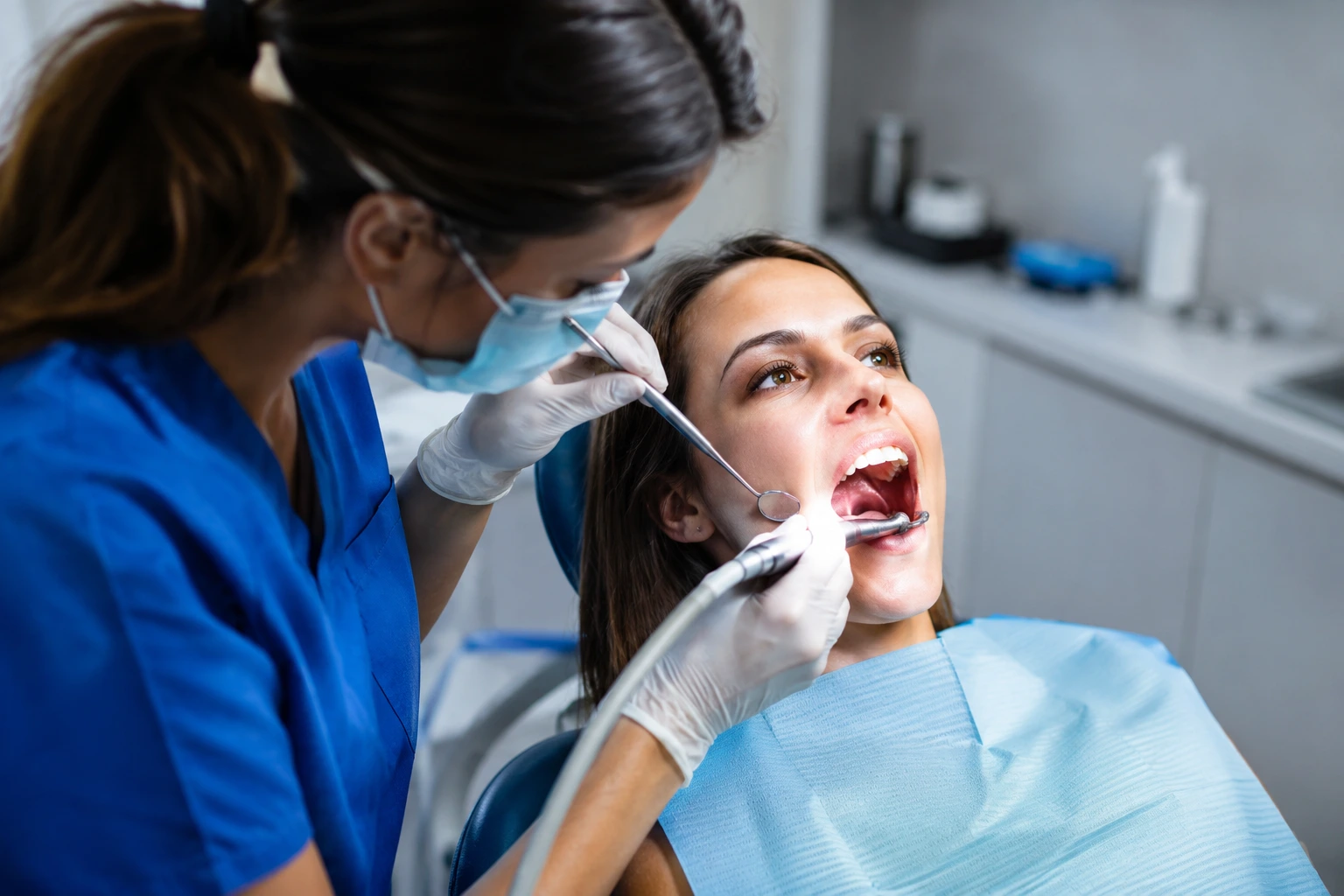
If your gums bleed when you brush, your breath feels off no matter what you do, or you notice your teeth looking darker at the gumline, a deep cleaning dental procedure might be exactly what your mouth has been asking for.
Understanding deep cleaning dental procedure
Deep cleaning, medically known as scaling and root planing, goes far deeper than your regular six-month checkup. While a standard cleaning removes surface tartar and plaque above the gumline, deep cleaning targets the hidden buildup that accumulates in the pockets between your teeth and gums. Your dentist uses specialized ultrasonic instruments and hand tools to carefully remove calculus, bacteria, and stains from below the gumline, then smooths the tooth roots to help gums reattach and heal. Think of it as resetting your gum health from the foundation up. This procedure is typically recommended when you have signs of gum disease like bleeding gums, persistent bad breath, or pockets deeper than 3-4 millimeters. For many women, this treatment becomes a turning point in their oral health journey, especially after years of dealing with stubborn inflammation or sensitivity.
- Removes tartar and plaque buildup below the gumline
- Prevents gum disease and restores oral health
- Revitalizes gums and teeth for better dental wellness
Benefits of deep cleaning for women’s oral health
Women face distinct oral health challenges that men often don’t experience. Hormonal fluctuations during your menstrual cycle, pregnancy, and menopause can intensify gum inflammation and make you more susceptible to gum disease. During pregnancy, some women develop pregnancy gingivitis, where gums become swollen and tender despite good brushing habits. Deep cleaning addresses these vulnerabilities by removing the bacterial load that triggers inflammation. Beyond hormones, women who wear orthodontics, take certain medications, or have a family history of gum disease benefit significantly from deep cleaning. The procedure reduces bleeding, decreases pocket depth, and allows your gums to heal properly. Many women report that after deep cleaning, their gums feel firmer, their breath improves noticeably, and they regain confidence in their smile. The anti-inflammatory effects can last months when combined with proper home care.
📘 Fix your day in under 2 minuteschoose where to begin:
The process of deep cleaning dental procedure
Your deep cleaning appointment typically takes 1-2 hours and may be split into two visits, depending on how much buildup needs removal. Your dentist will start by numbing your gums with a topical anesthetic, then use an ultrasonic scaler that vibrates to break apart hardened calculus. You’ll hear a buzzing sound and feel water spray as the instrument works. Next comes hand scaling with specialized curettes to remove remaining deposits and smooth rough spots on the root surface. This root planing step is crucial because it helps your gum tissue reattach to clean, smooth roots. You might experience mild discomfort or pressure, but it shouldn’t be painful. Some women describe it as feeling thorough and oddly satisfying. Afterward, your dentist may apply antimicrobial rinse or place medicated strips between teeth and gums to support healing. Expect some sensitivity and mild soreness for a few days afterward.
Post-deep cleaning care for long-term results
The real work begins after your deep cleaning appointment. For the first week, avoid hot foods, crunchy snacks, and hard toothbrushes that can irritate healing gums. Rinse gently with warm salt water 2-3 times daily to reduce inflammation and support healing. Switch to a soft-bristled toothbrush and use a gentle, circular brushing motion rather than aggressive scrubbing. Floss daily, but be extra gentle around treated areas. Many dentists recommend an antimicrobial mouthwash for 1-2 weeks post-procedure. Over-the-counter pain relievers can help manage sensitivity. Avoid smoking and alcohol, which slow healing. Within 2-3 weeks, your gums should feel noticeably better. To maintain results long-term, commit to brushing twice daily, flossing once daily, and attending regular cleanings every 3-6 months depending on your dentist’s recommendation. Women who stick to this routine often see their gum pockets shrink further and their overall oral health stabilize significantly.
Professional advice and follow-up visits
Your dentist doesn’t just perform the procedure and send you on your way. Follow-up appointments, typically scheduled 4-6 weeks after deep cleaning, allow your dentist to assess how well your gums have healed and measure pocket depth reduction. This is when you’ll get personalized feedback on your home care routine. If you’re struggling with flossing, your dentist might recommend water flossers or interdental brushes. If sensitivity persists, they can apply fluoride treatments or suggest desensitizing toothpaste. Some women benefit from more frequent professional cleanings during the first year post-procedure to maintain momentum. Your dentist may also discuss risk factors specific to you, whether that’s hormonal changes, stress-related grinding, or dietary habits affecting your gums. This collaborative approach transforms deep cleaning from a one-time procedure into part of a sustainable oral health plan tailored to your life and needs.
Deep cleaning dental procedures involve removing tartar and plaque buildup below the gumline, preventing gum disease, and revitalizing overall dental wellness. This treatment offers specific benefits for women’s oral health, particularly during hormonal changes or pregnancy. The process, post-care, and professional advice are vital components for women to achieve lasting results.
How often should women undergo deep cleaning dental procedures?
The frequency of deep cleaning sessions varies based on individual oral health needs. Dentists may recommend deep cleaning every 6 months to 2 years, depending on the extent of tartar and plaque buildup and the presence of gum disease. Women with hormonal sensitivities or a history of gum disease may need more frequent treatments.
Are there any side effects associated with deep cleaning for women?
While deep cleaning is generally safe, some women may experience temporary sensitivity or soreness in the gums following the procedure. These side effects typically subside within a few days, and maintaining good oral hygiene can help alleviate any discomfort. Mild bleeding during flossing in the first week is also normal.
Others also read:
Disclaimer: This article is for informational purposes only and is not a substitute for professional medical advice. Always consult a healthcare professional for personal guidance.
This guide has been prepared and reviewed by the GlobalHealthBeacon editorial team and reflects current medical research as of 2026. It provides structured, evidence-based information to support informed health decisions.
