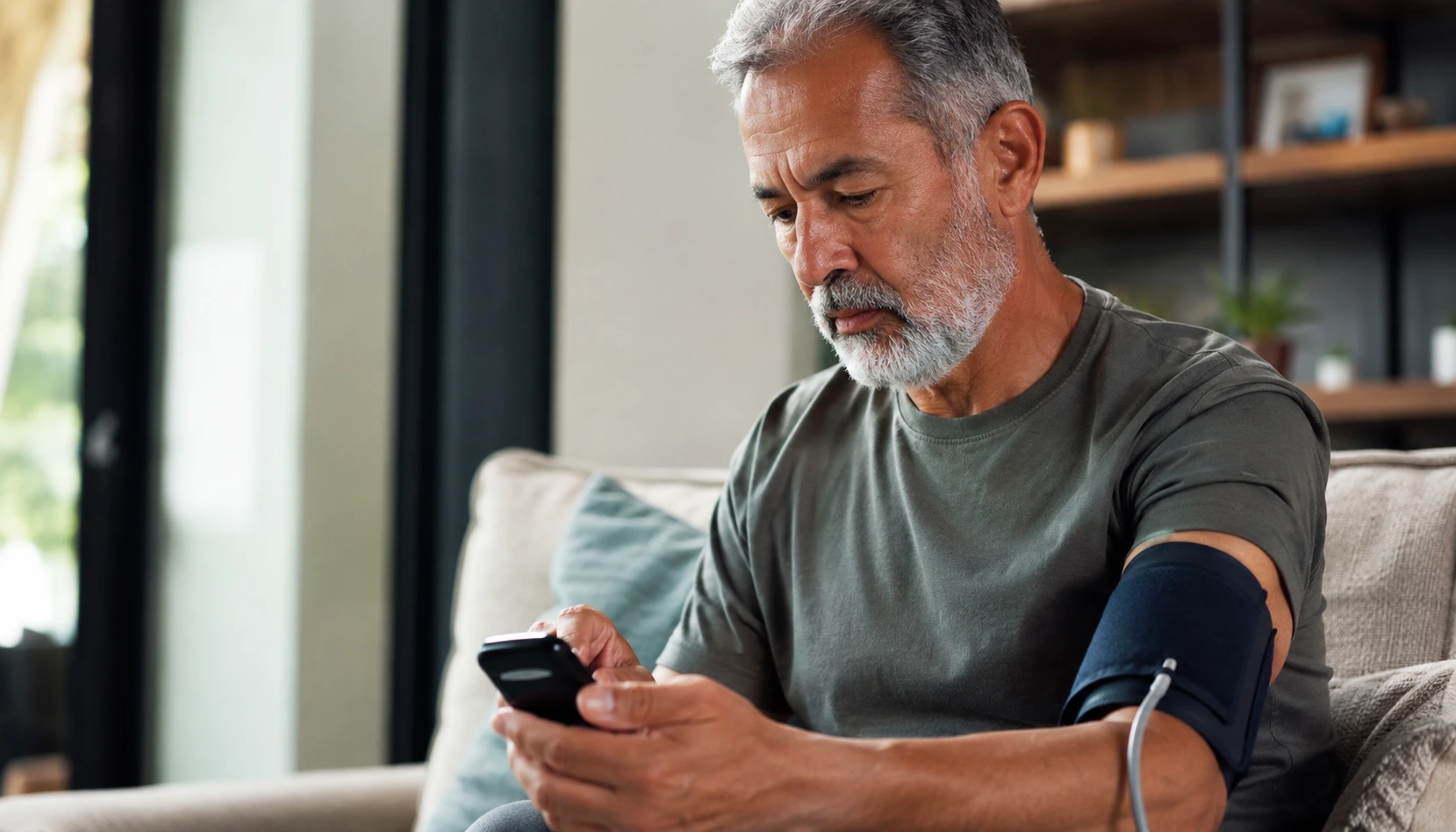
You’re juggling work, social life, and a nagging feeling that you should probably know what your blood pressure actually is, but the thought of booking yet another doctor’s appointment makes you want to scream—until you discover remote patient monitoring devices can do the heavy lifting while you sleep.
Understanding remote patient monitoring
Remote Patient Monitoring devices are basically your personal health detectives, working quietly in the background to track what’s actually happening inside your body. Imagine waking up, grabbing a small device, and within seconds having real-time data about your heart rate, blood pressure, or oxygen levels sent directly to your healthcare provider. These aren’t clunky machines from a hospital either. We’re talking about sleek, smartphone-sized gadgets that fit seamlessly into your daily routine. A 25-year-old marketing manager I know started using one after noticing her stress levels were spiking during work deadlines. Within two weeks, her doctor caught early signs of elevated blood pressure that would have gone unnoticed during a yearly checkup. That’s the power of continuous monitoring. Instead of a single snapshot once a year, you get a full movie of your health story, allowing doctors to spot patterns and intervene before something becomes a real problem.
- Convenient monitoring without constant clinic visits
- Early detection of health issues through continuous tracking
- Personalized care based on individual data insights
Making health management effortless
Here’s what actually happens when you use RPM devices in real life. You wake up, sync your device, and boom, your healthcare provider already knows how you slept, what your vitals look like, and whether anything needs attention. No phone calls, no waiting rooms, no awkward small talk with a receptionist. For young adults constantly moving between jobs, cities, or just trying to keep their lives together, this changes everything. One college student I spoke with was managing a chronic condition while finishing her degree. Traditional monitoring meant missing classes for appointments. With her RPM device, she could attend every lecture while her doctor monitored her progress in real time. When something did need adjustment, they handled it through a quick video call instead of an in-person visit. The peace of mind alone is worth it. You stop wondering if you should be worried and start knowing exactly where you stand health-wise.
💬 Ready to feel better in 2 minutes?choose where to begin:
Empowering young adults with control
Being a young adult means you’re supposed to have your life figured out, but most of us are just winging it. Health feels like something that happens to other people, something you’ll worry about later. RPM devices flip that script by putting you in the driver’s seat. Instead of feeling helpless or anxious about your health, you get actual data showing you exactly what’s going on. A 28-year-old fitness enthusiast started tracking his heart rate variability through an RPM device and discovered patterns he never would have noticed otherwise. He learned which workout intensities actually served him best and which ones left him overtrained. That knowledge transformed how he approached his fitness. The same applies to stress, sleep, nutrition, and overall wellness. You’re not just passively receiving care anymore. You’re actively participating in decisions about your body. You see the data, understand the trends, and work with your provider as a true partner rather than a patient sitting in a waiting room hoping someone has answers.
The future of healthcare is here
We’re at a turning point where technology finally catches up to what we actually need. Healthcare is shifting from reactive to proactive, from annual checkups to continuous care. RPM devices represent this shift in real time. Instead of waiting until something breaks down, you’re catching issues early when they’re easiest to address. A young adult managing multiple health concerns told me that RPM devices gave her back control during a period when she felt completely overwhelmed by medical appointments and uncertainty. She could see her progress, understand how her lifestyle choices affected her vitals, and celebrate small wins without needing external validation. That’s powerful. As more young adults embrace these tools, the entire healthcare system adapts. Doctors get better data, patients get better outcomes, and the whole experience becomes less about fear and more about empowerment. You’re not just testing a device. You’re stepping into a smarter, more connected way of taking care of yourself.
Remote Patient Monitoring devices aren’t just gadgets—they’re your ticket to understanding your body on your own terms. From catching health issues early to giving you real control over your wellness journey, these devices are reshaping what it means to be proactive about health as a young adult. Stop waiting for something to go wrong. Start monitoring, understanding, and taking charge today.
How do Remote Patient Monitoring devices work?
RPM devices utilize sensors to collect health data, which is then transmitted to healthcare providers for analysis. This enables continuous monitoring and early intervention.
Are RPM devices suitable for young adults?
Yes, RPM devices are ideal for young adults seeking convenient and proactive health management. These devices offer personalized care and empower users to take control of their well-being.
Others also read:
Disclaimer: This article is for informational purposes only and is not a substitute for professional medical advice. Always consult a healthcare professional for personal guidance.
This article presents an experience-based perspective and has been reviewed by the GlobalHealthBeacon editorial team in 2026. It provides structured, evidence-based information to support informed health decisions.
