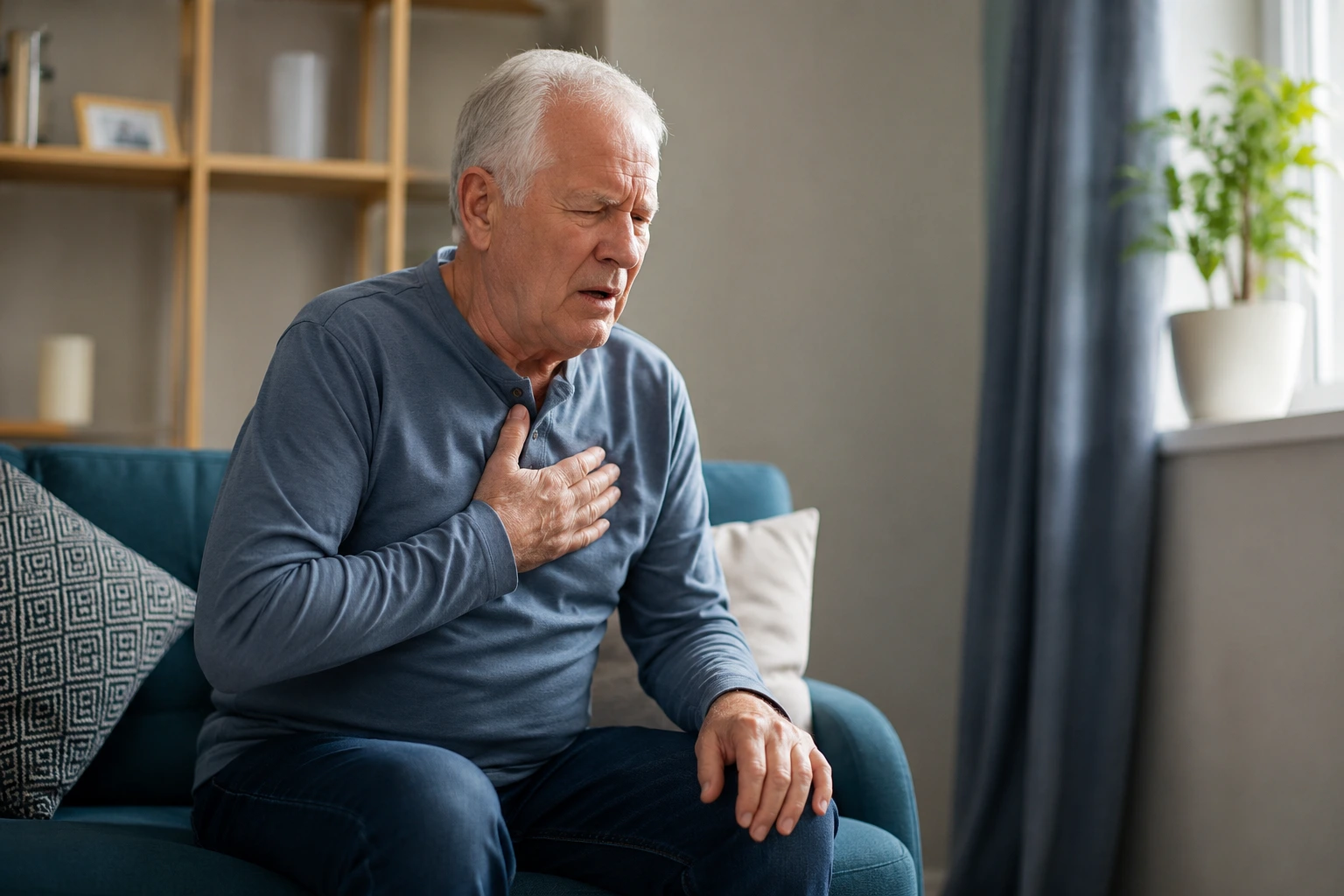
You’re catching your breath after climbing stairs, or maybe you’ve noticed a persistent cough that won’t quit, and suddenly the word COPD is floating around in your head like an unwelcome guest, but here’s the thing: copd explained simply is exactly what you need right now to stop spiraling and start taking control.
What is COPD?
Chronic Obstructive Pulmonary Disease, or COPD, is a chronic inflammatory lung condition that progressively narrows your airways, making it harder for air to move in and out of your lungs. Think of it like a garden hose that’s slowly getting kinked up. The condition typically includes emphysema, where the air sacs in your lungs lose elasticity, and chronic bronchitis, where your airways become inflamed and produce excess mucus. Most commonly caused by smoking or long-term exposure to air pollutants, COPD develops gradually, often over years. A 28-year-old who smoked heavily in college might not notice symptoms until their early 30s, when they realize they can’t keep up with friends on a hike. The key insight here is that COPD isn’t something that happens overnight, and that means you have time to intervene and slow its progression significantly.
- Common symptoms include shortness of breath, chronic cough, chest tightness, and excess mucus production.
- Early diagnosis and treatment can help manage symptoms and slow disease progression.
- Quitting smoking and avoiding lung irritants are key preventive measures.
- Regular exercise and a healthy diet can improve overall lung function and quality of life.
- Consult a healthcare provider for proper diagnosis and a personalized treatment plan.
Diagnosis and testing
Getting diagnosed with COPD starts with your doctor listening to your lungs and asking detailed questions about your breathing history and exposure to irritants. The real diagnostic work happens through spirometry, a simple test where you breathe into a machine that measures how much air your lungs can hold and how quickly you can exhale. Imagine blowing out birthday candles, but the machine tracks exactly how much force and volume you’re producing. Your doctor might also order a chest X-ray or CT scan to rule out other conditions and assess any structural changes in your lungs. In some cases, blood tests help identify alpha-1 antitrypsin deficiency, a genetic factor that accelerates COPD development. A 25-year-old with a family history of lung disease might discover through these tests that they’re at higher risk, giving them crucial information to adjust their lifestyle now rather than waiting for symptoms to appear. These tests aren’t scary, they’re your roadmap to understanding exactly where your lungs stand and what treatment approach makes sense for you.
📘 Fix your day in under 2 minuteschoose where to begin:
Treatment options
COPD treatment isn’t one-size-fits-all, it’s a personalized toolkit built around your specific situation and severity level. For mild COPD, your doctor might prescribe a rescue inhaler like albuterol that you use when you feel short of breath, similar to how an asthmatic uses their inhaler during an attack. As COPD progresses, you’ll likely move to maintenance inhalers that you use daily to keep airways open and reduce inflammation. These might include long-acting bronchodilators or inhaled corticosteroids. Pulmonary rehabilitation programs are game-changers, combining supervised exercise, breathing techniques, and education to rebuild your lung capacity and confidence. A 30-year-old who completes an eight-week rehab program often reports they can walk further and climb stairs without gasping. In more severe cases, oxygen therapy ensures your blood gets enough oxygen, especially during activity or sleep. Surgery is rarely needed but might be considered for advanced emphysema. The bottom line is that modern COPD treatment has evolved significantly, and combining medication with lifestyle changes like quitting smoking, staying active, and eating nutrient-rich foods creates a powerful strategy for managing this condition.
Managing symptoms daily
Daily symptom management is where you actually reclaim your life from COPD, and it starts with mastering your inhaler technique. Many people use inhalers incorrectly, which means the medication never reaches their lungs effectively. Your pharmacist or respiratory therapist can watch you use it and correct your form in minutes. Next, learn to recognize the early signs of an exacerbation, those sudden flare-ups where symptoms worsen rapidly. Increased cough, change in mucus color or thickness, or unexplained shortness of breath are red flags that mean you need to contact your doctor before things escalate. Breathing exercises like pursed-lip breathing, where you breathe in through your nose and out slowly through pursed lips, help you control your breath during activity and reduce panic. Maintaining a healthy weight matters because extra pounds force your heart and lungs to work harder. A young adult with COPD who starts a gentle walking routine and tracks their weight often feels noticeably better within weeks. Keep a symptom diary, noting when you feel worse and what triggered it, because patterns emerge that help you and your doctor fine-tune your treatment plan.
Support and resources
Managing COPD alone is harder than managing it with support, and fortunately, resources exist everywhere. Online and in-person support groups connect you with others navigating the same challenges, people who understand why climbing stairs feels like summiting Everest. Organizations like the American Lung Association offer free education, webinars, and local programs specifically designed for people with COPD. Your healthcare team should include not just your primary doctor but also a pulmonologist, respiratory therapist, and possibly a nutritionist who understands how diet affects lung function. Many hospitals offer pulmonary rehabilitation programs covered by insurance, giving you access to experts who teach you how to exercise safely with COPD. Apps and wearable devices help you track your activity levels and oxygen saturation, turning abstract health goals into concrete daily metrics. A young adult who joins a support group often reports feeling less isolated and more motivated to stick with their treatment plan because they see others succeeding. Don’t underestimate the power of telling friends and family what you’re dealing with, because the more people understand COPD, the more they can support your decisions to avoid smoke and air pollution.
Understanding COPD, its symptoms, and treatment options is crucial for managing this chronic condition effectively. With the right diagnosis, lifestyle changes, and support, you can take proactive steps to improve your quality of life and breathe easier.
Can COPD be cured completely?
COPD is a chronic condition that cannot be cured, but proper management and treatment can help control symptoms and improve quality of life.
What are the risk factors for developing COPD?
Common risk factors for COPD include smoking, exposure to pollutants or secondhand smoke, genetic factors, and a history of respiratory infections.
Others also read:
Disclaimer: This article is for informational purposes only and is not a substitute for professional medical advice. Always consult a healthcare professional for personal guidance.
This guide has been prepared and reviewed by the GlobalHealthBeacon editorial team and reflects current medical research as of 2026. It provides structured, evidence-based information to support informed health decisions.
