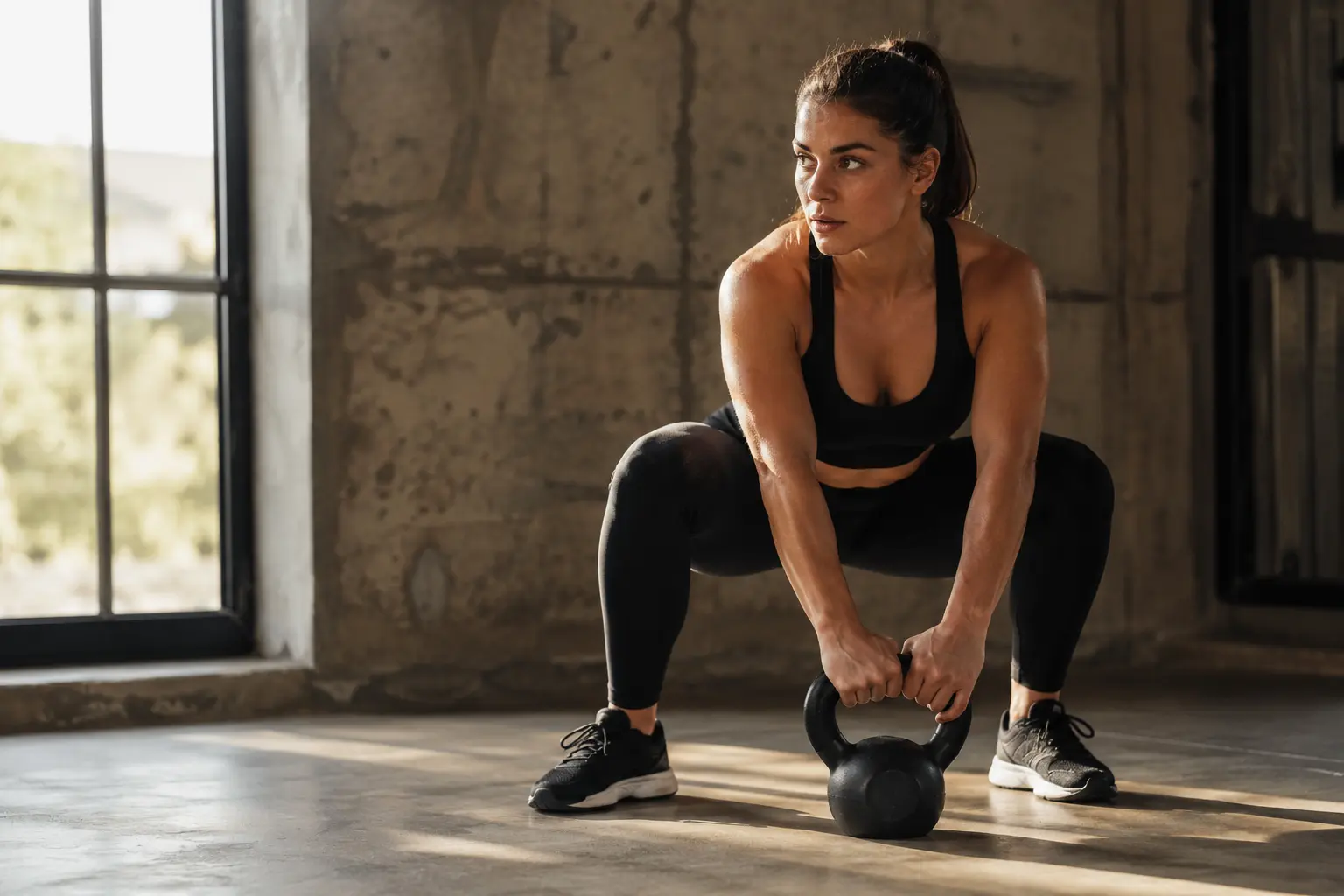
You’re struggling to open jars, climbing stairs leaves you winded, and simple tasks like picking up groceries feel harder than they should—functional strength training is the direct fix that rewires your body to handle real life again.
Understanding functional strength training
Functional strength training is built on a simple principle: strengthen the muscles you actually use every day. Unlike traditional weightlifting that isolates single muscle groups, functional training mimics real-world movements. When you perform a squat, you’re not just building leg strength—you’re training your body to safely lower yourself into a chair, get up from the toilet, or pick something off the floor. A lunging motion prepares you for stepping over obstacles or reaching items on lower shelves. Rows strengthen your back for pulling, and planks build the core stability that keeps you upright while walking or reaching overhead. These exercises activate multiple muscle groups at once, creating patterns your body recognizes and can use immediately in daily life. The beauty of this approach is that every rep has purpose beyond the gym. You’re not training in isolation; you’re training for independence.
- Enhances balance and coordination for safer movement
- Builds muscle strength for improved stability and fall prevention
- Increases joint flexibility and reduces the risk of injury
Getting started with functional strength training
Beginning a functional strength program requires patience and smart progression. Start with bodyweight exercises or light resistance bands before adding weights—this builds foundational control and prevents injury. A common mistake is rushing into heavy weights or complex movements before mastering form. Spend your first two to three weeks focusing entirely on technique. Practice a squat without weight until it feels natural. Master a lunge on both sides until you can do it without losing balance. This foundation matters more than how much weight you lift. Consider working with a trainer for your first session or two; they can assess your current mobility, identify any movement restrictions, and design a plan matched to your specific needs and goals. If you have existing joint issues or health concerns, consult your doctor before starting. A personalized approach prevents frustration and injury, setting you up for long-term success rather than quick burnout.
📘 Fix your day in under 2 minuteschoose where to begin:
Key exercises for seniors
Four foundational exercises form the backbone of any senior functional strength program. Squats teach your legs and core to work together, preparing you for sitting and standing throughout your day. Start with a chair behind you for safety, lowering until you lightly touch it, then standing back up. Lunges target each leg individually, improving balance and coordination while strengthening the muscles needed for stairs and uneven ground. Planks build core stability without straining your back, holding you upright during daily activities. Rows strengthen your back and shoulders, counteracting the forward slouch that develops from sitting and computer work. A realistic example: imagine carrying groceries from your car. Squats prepare your legs for the walk and the lowering motion. Rows strengthen your back so you can pull bags toward your body safely. Core strength keeps you upright under the load. These four exercises, performed twice weekly with proper form, create noticeable improvements in your ability to handle real-world tasks within four to six weeks.
Maintaining consistency and progress
Consistency beats intensity every single time. Two moderate sessions per week, performed consistently for months, delivers better results than sporadic intense workouts. Track your progress in a simple notebook or phone app: record which exercises you did, how many repetitions, and how you felt. This creates accountability and shows you improvement over time. Progress doesn’t always mean lifting heavier—it means doing more repetitions, adding an extra set, or improving your form. After four weeks, if an exercise feels easy, increase the difficulty slightly. Add a light dumbbell to your squats, or hold the plank position five seconds longer. Listen to your body; soreness is normal, but sharp pain is a signal to stop. Rest days are when your muscles actually rebuild and strengthen, so schedule at least one full rest day between sessions. Many seniors find that committing to the same days and times—say, Monday and Thursday mornings—makes the habit stick. Your body adapts to routine, and your mind learns to expect and prepare for these sessions.
Enjoying the benefits of functional strength training
After eight to twelve weeks of consistent functional strength training, you’ll notice changes that go far beyond muscle. Climbing stairs becomes effortless. Opening jars requires less struggle. You stand up from a chair without using your arms. These small victories compound into a profound shift in how you move through the world. You feel more capable, more independent, and more confident in your body. Energy levels often improve because stronger muscles work more efficiently, and physical activity boosts mood and sleep quality. Many seniors report feeling younger, not in a fantasy way, but in genuine capability. You can play with grandchildren without worrying about your knees. You can travel without exhaustion. You can live the life you want without physical limitations dictating your choices. The journey itself becomes rewarding—you’re not just exercising, you’re reclaiming your independence one rep at a time.
Functional strength training offers a holistic approach to improving strength, balance, and mobility for seniors. By focusing on everyday movements and maintaining consistency, seniors can enhance their overall quality of life and independence.
Is functional strength training safe for seniors?
Yes, functional strength training can be safe for seniors when performed with proper form and supervision. It is essential to start with light weights and gradually progress to prevent injuries.
How often should seniors engage in functional strength training?
Seniors should aim for at least two to three sessions of functional strength training per week, allowing for adequate rest between sessions to promote muscle recovery and growth.
Others also read:
Disclaimer: This article is for informational purposes only and is not a substitute for professional medical advice. Always consult a healthcare professional for personal guidance.
This guide has been prepared and reviewed by the GlobalHealthBeacon editorial team and reflects current medical research as of 2026. It provides structured, evidence-based information to support informed health decisions.
