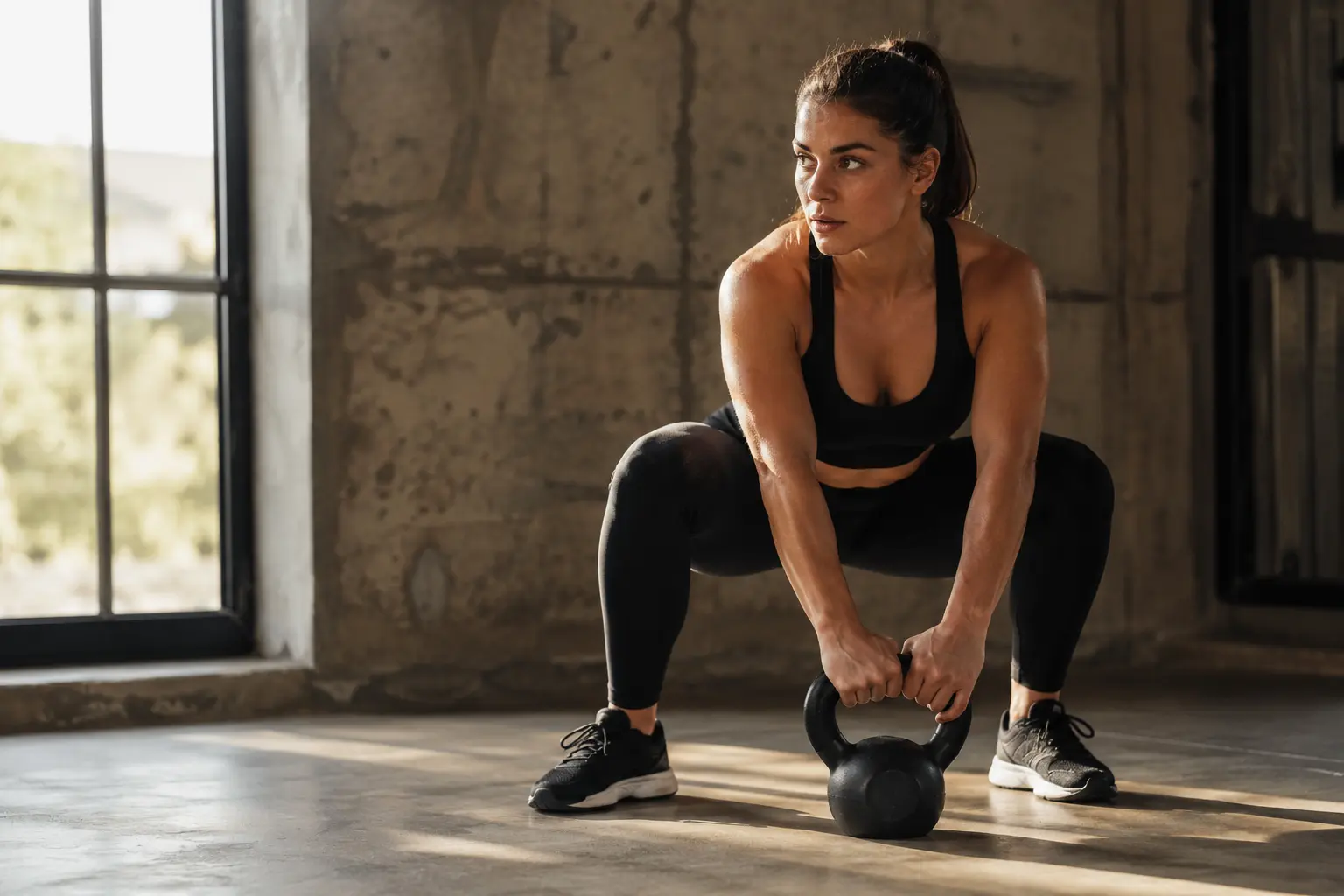
Tired of workouts that feel disconnected from real life, leaving you strong in the gym but struggling to carry groceries or play with your kids without pain? Functional strength training rewires your entire body to handle what actually matters.
Understanding functional strength training
Functional strength training is built on a simple truth: your body evolved to move in patterns, not isolated motions. Unlike traditional weightlifting that isolates single muscles, functional strength focuses on exercises that mirror how you actually move through your day. When you pick up a child, you’re not just using your arms; you’re engaging your core, legs, and back in a coordinated movement. Squats mimic sitting down and standing up. Lunges replicate walking up stairs. Push-ups prepare your chest and arms for pushing a heavy door or lifting something overhead. This approach targets multiple muscle groups simultaneously, which means you build strength more efficiently while also improving balance, stability, and flexibility. Women especially benefit because functional training addresses the movement patterns that matter most in daily life, reducing injury risk and making everyday tasks feel effortless.
- Increase muscle strength for daily activities
- Enhance flexibility and balance naturally
- Improve overall functionality and movement quality
Starting your functional strength routine
Before you pick up a single weight, spend time understanding what you actually want from your fitness. Are you training to feel stronger carrying laundry upstairs? Do you want to prevent back pain while gardening? Maybe you’re preparing for a hiking trip or simply want to feel capable in your own body. Once you know your why, select exercises that directly support those goals. Start with bodyweight movements like squats, lunges, and wall push-ups to master the fundamentals without added weight. Then layer in free weights, resistance bands, and stability balls as your confidence grows. A beginner might start with two 15-minute sessions weekly, focusing on learning proper form rather than intensity. The key is consistency over perfection. Many women make the mistake of jumping into heavy weights or complex movements too quickly, which leads to frustration or injury. Instead, build a foundation where movement feels natural and controlled.
📘 Fix your day in under 2 minuteschoose where to begin:
Key exercises for women
Compound exercises are your foundation because they engage multiple muscle groups in one movement, making your training time count. Squats strengthen your legs, glutes, and core while teaching your body how to safely lower and lift from the ground. Lunges build single-leg strength and stability, which prevents falls and improves balance as you age. Push-ups develop chest, shoulder, and arm strength while engaging your core for stability. Planks build the deep core muscles that support your spine during everyday activities. Deadlifts teach your body to lift safely from the ground, protecting your back when picking up heavy objects. Start with variations that match your current ability: wall push-ups instead of full push-ups, assisted squats using a chair, or plank holds on your knees. As these become easier, progress by adding resistance bands, light dumbbells, or increasing your hold time. The goal is to challenge your body progressively while maintaining perfect form. Many women find that adding variety keeps workouts interesting and prevents boredom while ensuring balanced strength development.
Progressing safely
Progressive overload is the secret to continuous improvement, but it must happen gradually to protect your body. Start by mastering an exercise with your bodyweight for at least two weeks. Once that feels controlled and easy, add a challenge: hold for longer, add a light weight, or increase repetitions by just two or three. This small-step approach prevents the plateaus that make workouts feel pointless while also protecting your joints and muscles from overuse injuries. Listen to your body constantly. Soreness the day after a workout is normal and expected. Sharp pain, joint discomfort, or pain that lingers for days is a signal to scale back. Stay hydrated throughout your day, not just during workouts, because dehydration affects muscle performance and recovery. Maintain proper form even when tired; this is when injuries happen. Many women push through fatigue and sacrifice form to complete more repetitions, which undermines the entire workout. Instead, stop when form breaks down. Rest days are where the magic happens; your muscles repair and grow during recovery, not during the workout itself.
Balancing strength and cardio
Strength training and cardiovascular exercise serve different but equally important purposes in your fitness life. Strength training builds muscle, increases metabolism, and improves bone density, which becomes increasingly important as women age. Cardio strengthens your heart, improves endurance, and supports mental health through the release of endorphins. The ideal approach combines both without letting one overshadow the other. A practical schedule might look like three days of functional strength training and two days of moderate cardio like brisk walking, cycling, or dancing. You can also blend them by adding cardio bursts between strength exercises, creating a circuit that elevates your heart rate while building strength. For example, do a set of squats, then jog in place for 30 seconds, then move to lunges. This approach saves time while delivering both benefits. Many women feel pressured to choose between strength and cardio, but they work together synergistically. Strength training makes cardio easier and more enjoyable, while cardio improves your endurance during strength sessions.
Functional strength training combines practical exercises with everyday movement patterns to build a stronger, more capable body. Start by understanding your personal goals, master compound movements with proper form, and progress gradually by adding small challenges. Balance your strength work with cardiovascular activity, listen to your body’s signals, and prioritize recovery. This approach transforms how you move through daily life while building confidence in your physical abilities.
Can functional strength training help improve my balance and flexibility?
Yes, functional strength training is specifically designed to enhance balance and flexibility by targeting multiple muscle groups through movements that mimic real-life activities. Exercises like lunges, squats, and planks naturally improve stability and range of motion while building strength.
How often should I do functional strength training workouts?
It is recommended to perform functional strength training workouts 2-3 times per week, allowing sufficient rest days for muscle recovery and growth. Beginners may start with two sessions weekly and progress to three as their fitness improves.
Others also read:
Disclaimer: This article is for informational purposes only and is not a substitute for professional medical advice. Always consult a healthcare professional for personal guidance.
This guide has been prepared and reviewed by the GlobalHealthBeacon editorial team and reflects current medical research as of 2026. It provides structured, evidence-based information to support informed health decisions.
