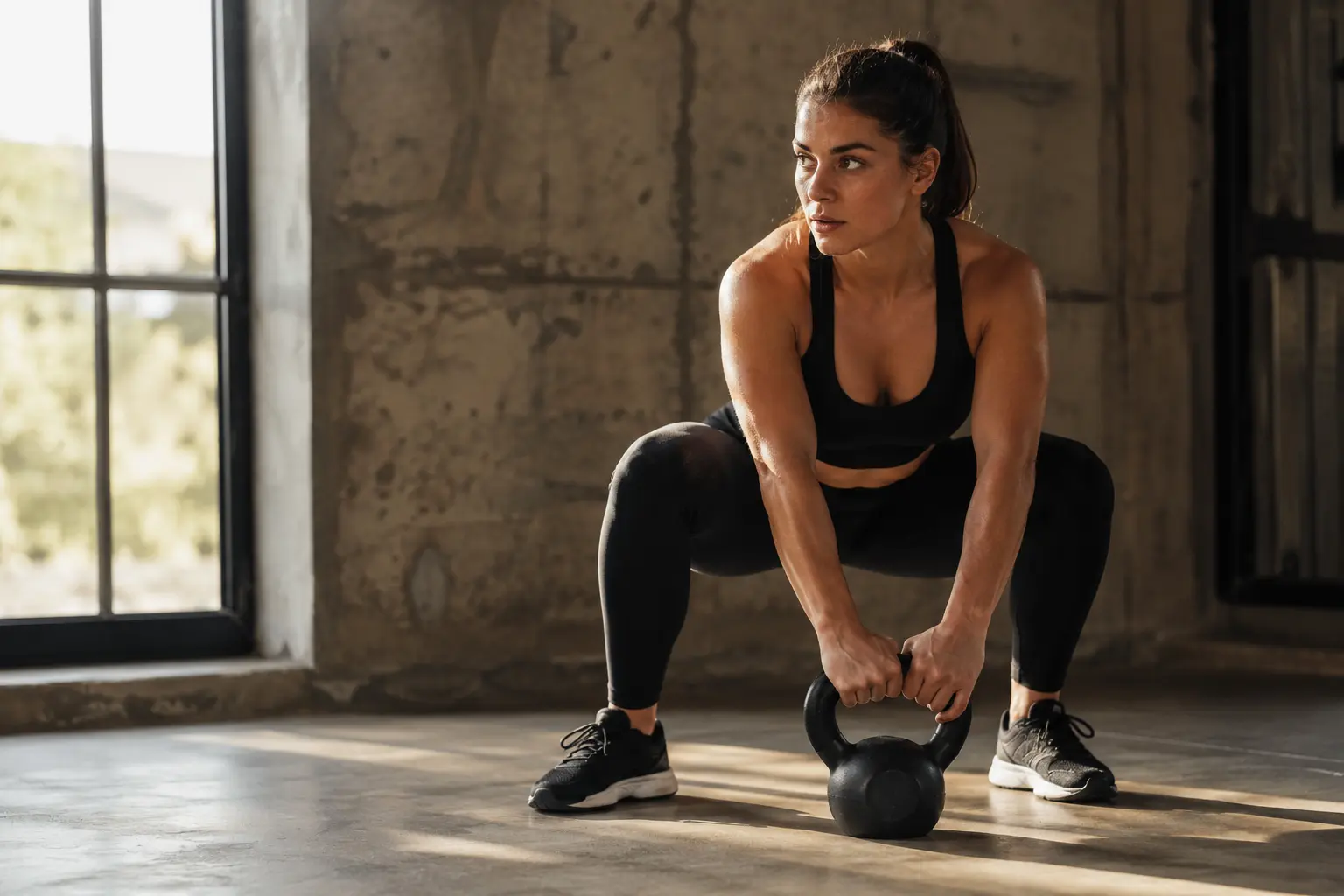
You’re reaching for the bannister a little harder these days, your knees protest when you stand up from the couch, and that fear of falling creeps in when you’re alone at home, but functional strength training is the game-changer that addresses exactly what your body needs to move through life with confidence again.
Understanding functional strength training
Functional strength training represents a departure from traditional weightlifting by focusing on exercises that directly translate to real-world movements you perform daily. Rather than isolating single muscles on machines, functional training engages multiple muscle groups working together, just as they do when you’re carrying groceries up stairs, rising from a seated position, or reaching for items on high shelves. Think of it this way: when you perform a squat in functional training, you’re not just strengthening your quadriceps; you’re training your glutes, core, hamstrings, and stabilizer muscles simultaneously. This integrated approach mirrors how your body actually moves through space. For seniors, this matters tremendously because it builds the coordination and balance needed to navigate everyday challenges. The exercises often use your body weight, resistance bands, or simple tools like dumbbells, making them accessible and practical. By training movement patterns rather than isolated muscles, you develop what researchers call functional capacity, which directly impacts your ability to maintain independence and prevent falls.
Benefits of functional strength training
The research supporting functional strength training for older adults is compelling and multifaceted. Studies consistently show that regular functional training increases bone mineral density, which becomes increasingly important as we age and face greater osteoporosis risk. Beyond bones, participants experience measurable gains in lean muscle mass, something that naturally declines with age at a rate of about 3 to 5 percent per decade after age 30. Functional training also enhances proprioception, your body’s awareness of itself in space, which directly reduces fall risk. Flexibility improvements follow naturally from movement-based training, as muscles lengthen and joints move through fuller ranges of motion. Perhaps most intriguing to researchers is the cognitive benefit: functional training appears to enhance executive function and memory, likely through the mental focus required to coordinate complex movements. These aren’t isolated benefits either. They compound. Stronger muscles support better posture, which reduces joint stress. Improved balance decreases anxiety about movement. Better cognitive function supports overall quality of life. The cumulative effect is a meaningful improvement in how you navigate daily life and your confidence in doing so.
Implementing functional strength training
Starting a functional strength training program requires thoughtful preparation rather than jumping in with enthusiasm. Your first step should be consulting with a fitness professional, physical therapist, or your healthcare provider who understands your medical history and any limitations you might have. They’ll assess your current movement patterns, identify weak areas, and help you understand which exercises suit your body right now. Once you have guidance, focus on foundational movements: squats teach your legs and core to work together for sitting and standing; lunges train single-leg stability crucial for walking and stairs; planks and modified core work strengthen your center of gravity. Push-up variations, whether against a wall or on your knees, build upper body strength for pulling and lifting tasks. The critical mistake many people make is progressing too quickly. Your connective tissues, tendons, and ligaments adapt more slowly than your muscles, so patience prevents injury. Start with bodyweight versions of exercises, master the movement pattern, then gradually add resistance through bands or light weights. Track what you do each session, how many repetitions you complete, and how the movements feel. This simple log becomes invaluable for noticing progress and adjusting difficulty appropriately.
- Consult with a fitness professional or healthcare provider to create a tailored program suited to your current fitness level and any health considerations.
- Incorporate exercises that target multiple muscle groups simultaneously, such as squats, lunges, and core work, focusing on movement patterns rather than isolated muscles.
- Track your progress and adjust your routine accordingly, starting with bodyweight versions and progressing slowly to prevent injury and build sustainable strength.
🔬 Science-backed benefits in 2 minuteschoose where to begin:
Adapting functional strength training to your needs
One of the greatest strengths of functional training is its adaptability. Whether you’re recovering from an injury, managing arthritis, or simply returning to exercise after years away, functional movements can be modified to meet you exactly where you are. A standard squat can become a partial squat holding onto a chair for balance. A lunge can be performed in place rather than moving forward. Push-ups can be done against a wall, on an elevated surface, or on your knees. The beauty is that you’re not doing a different exercise; you’re adjusting the difficulty of the same movement pattern. As your strength and confidence grow, you can deepen squats, increase your range of motion, add resistance, or perform movements with less external support. This progression feels natural and achievable because you’re building on success rather than starting over. Many seniors find that having multiple difficulty levels available keeps them engaged long-term. You might do wall push-ups one week and knee push-ups the next, then progress to full push-ups months later. This isn’t failure; it’s intelligent training. Your body responds to appropriate challenge, not maximum difficulty, so matching the exercise to your current capacity while pushing slightly beyond your comfort zone creates the ideal stimulus for improvement.
Staying motivated with functional strength training
Consistency beats intensity in long-term fitness, yet many people abandon programs because they focus on the wrong metrics. Rather than obsessing over how much weight you lift or how many repetitions you complete, notice the real-world changes. Can you stand up from a low chair without using your hands? Did you climb stairs without gripping the bannister? Did you carry groceries without feeling exhausted? These functional improvements matter far more than numbers on a scale or weights on a bar. Setting realistic goals helps tremendously. Instead of aiming to transform your body in three months, commit to exercising twice weekly for the next month. Once that becomes routine, you can adjust. Varying your routine prevents boredom and works different aspects of functional fitness. One session might emphasize lower body strength, another focuses on balance, a third targets upper body and core. Tracking progress doesn’t require expensive apps or complicated systems. A simple notebook where you jot down what you did, how you felt, and any improvements you noticed builds motivation through visible evidence of change. Most importantly, be patient with yourself. Meaningful strength gains take weeks to months to become noticeable. Your nervous system needs time to learn new movement patterns. Your connective tissues need time to adapt. Trust the process, show up consistently, and the improvements will follow.
The science behind long-term benefits
Longitudinal research following seniors over years reveals that those maintaining consistent functional strength training experience remarkable long-term outcomes. Muscle mass, which naturally declines with age, stabilizes or even increases with regular training. Bone density improvements persist as long as training continues, directly reducing fracture risk from falls. Balance and proprioception continue improving, creating a protective cycle where confidence in movement leads to more movement, which further improves balance. Chronic disease risk decreases measurably. Seniors who strength train regularly show lower rates of type 2 diabetes, cardiovascular disease, and certain cancers. Their cognitive function remains sharper, potentially reducing dementia risk. Perhaps most profoundly, functional strength training preserves independence. Seniors who maintain strength can continue living in their homes, managing self-care without assistance, and participating in activities they enjoy. The research suggests that functional strength training isn’t just exercise; it’s a form of preventive medicine with effects that compound over years. The key finding across studies is that consistency matters more than intensity. Moderate functional training performed regularly produces better long-term outcomes than sporadic intense efforts. This good news means sustainable, manageable exercise routines create the health benefits you’re seeking.
Functional strength training offers seniors a scientifically-backed approach to enhancing overall well-being through targeted exercises that improve muscle strength, coordination, and balance. By focusing on movements that mimic daily activities, individuals can experience numerous benefits such as increased bone density, muscle mass, flexibility, and cognitive function. The approach is adaptable to individual needs, sustainable for long-term practice, and directly supports maintaining independence as you age.
Is functional strength training safe for seniors with existing health conditions?
Functional strength training can be modified to suit various health conditions. It is crucial to consult with a healthcare provider or fitness professional to create a tailored program that considers individual needs and limitations. Many modifications exist for common conditions like arthritis, heart disease, or diabetes, making functional training accessible and safe when properly designed.
How often should seniors engage in functional strength training?
Seniors should aim to incorporate functional strength training exercises into their routine at least 2-3 times per week. Consistency is key to experiencing the benefits of improved muscle strength, balance, and overall well-being. Rest days between sessions allow your body to adapt and recover, so spacing workouts throughout the week is more effective than clustering them together.
Others also read:
Disclaimer: This article is for informational purposes only and is not a substitute for professional medical advice. Always consult a healthcare professional for personal guidance.
This article has been prepared and reviewed by the GlobalHealthBeacon editorial team and is based on current medical research and published scientific literature available in 2026. It provides structured, evidence-based information to support informed health decisions.
