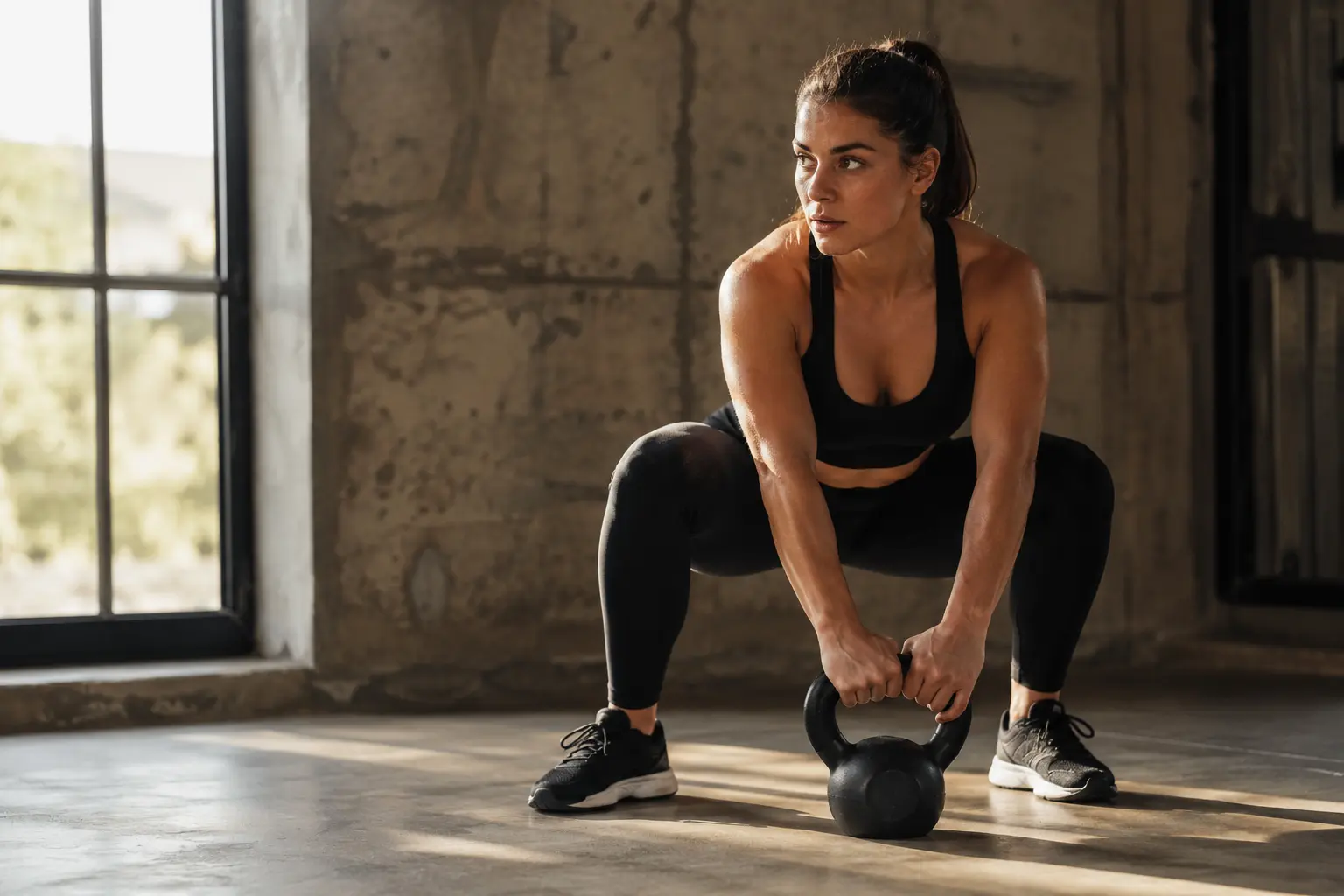
Your hands shake a little when you reach for the top shelf, stairs feel like they’re getting steeper every year, and that moment when you struggle to stand up from the couch without using your arms hits different now – but functional strength training is changing that for seniors everywhere.
The impact of functional strength on daily tasks
Functional strength training isn’t about looking muscular or lifting heavy weights at a gym. It’s about training your body to handle the movements you actually do every single day. Think about it: when you pick up groceries, you’re squatting. When you reach for something on a high shelf, you’re extending your arms overhead. When you get out of bed, you’re using your core and legs in coordination. Seniors who’ve started functional strength programs tell a consistent story. Martha, 72, said that after eight weeks of practicing squats and reaching movements, carrying two bags of groceries from her car felt effortless for the first time in years. Her balance improved too, which meant she stopped gripping the handrail so tightly when walking down stairs. These aren’t just small wins. They’re the difference between independence and needing help with basic tasks.
- Enhances mobility for everyday activities
- Reduces the risk of falls and injuries
- Increases independence in completing tasks
Evaluating strength gains with functional training
The beauty of functional strength training is that you don’t need fancy equipment or a complicated routine to see real results. Seniors working with trainers on these programs report noticeable changes within four to six weeks. One participant, Robert, 68, struggled with getting up from his favorite armchair without pushing himself up with his hands. After consistent functional training focused on leg strength and balance, he could stand up smoothly without assistance. His wife noticed it too. What’s remarkable is that these strength gains translate directly into confidence. When you can carry your own laundry basket upstairs, open a stuck jar, or play with your grandkids without feeling winded, something shifts mentally. The muscle endurance improves because you’re training movements your body recognizes and uses. It’s not abstract strength on a machine. It’s real, applicable power that shows up in your actual life.
💬 Ready to feel better in 2 minutes?choose where to begin:
Boosting mental well-being through strength training
Here’s something people don’t always talk about: the mental shift that happens when you realize your body can do things again. When Helen, 75, first started functional strength training, she was hesitant and a bit embarrassed. Within three weeks, she noticed she was standing taller, moving with more purpose, and feeling genuinely proud of herself. That sense of accomplishment matters more than you might think. Seniors report improved mood, better sleep, and a renewed sense of control over their lives. The confidence that comes from mastering a new exercise or feeling stronger ripples into other areas. You start believing in yourself again. You’re not just going through the motions of aging. You’re actively improving, pushing back against decline, and proving to yourself that change is possible. The social aspect helps too. Many seniors do these programs in group settings, which combats isolation and creates accountability.
Maintaining consistency and long-term results
The honest truth about any strength program is that consistency matters more than intensity. Seniors who commit to functional strength training two to three times per week see sustained improvements that last. One group of seniors who stuck with their program for six months reported not just maintained strength, but continued gains. They climbed stairs easier, carried groceries without thinking twice, and felt more energized overall. The key is finding a routine that fits your life. Some seniors prefer morning sessions before the day gets busy. Others like afternoon classes for the social connection. What matters is showing up regularly, even when you don’t feel like it. The first few weeks are the hardest. Your body feels unfamiliar with the movements. But by week four or five, it becomes part of your rhythm. You start looking forward to it. And that’s when the real transformation happens, not just in your muscles, but in how you see yourself and what you believe your body is capable of doing.
Seniors testing functional strength programs experienced enhanced mobility, reduced risk of falls, improved muscle strength, boosted confidence, and ongoing benefits with consistent training.
How often should seniors engage in functional strength training?
Seniors are advised to aim for at least 2-3 sessions per week to reap the benefits of functional strength training and maintain their physical function.
Can functional strength training be personalized for seniors with specific health conditions?
Yes, trainers can tailor exercises to accommodate individual needs and medical history, ensuring safe and effective workouts.
Others also read:
Disclaimer: This article is for informational purposes only and is not a substitute for professional medical advice. Always consult a healthcare professional for personal guidance.
This article presents an experience-based perspective and has been reviewed by the GlobalHealthBeacon editorial team in 2026. It provides structured, evidence-based information to support informed health decisions.
