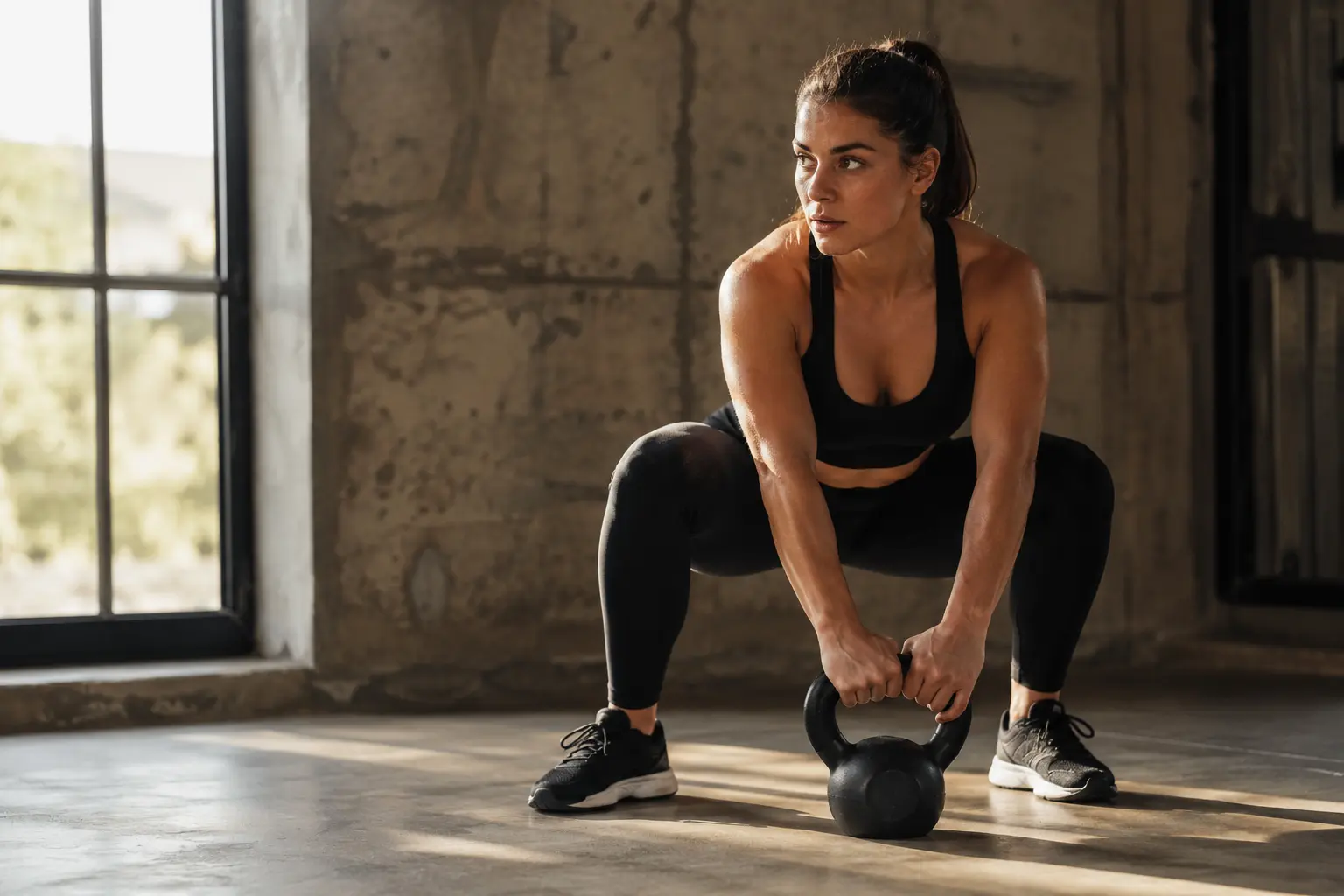
Your arms ache after carrying groceries, climbing stairs leaves you breathless, and playing with your kids feels exhausting instead of joyful—but functional strength training can change all that by rebuilding the strength you actually need for real life.
The essence of functional strength training
Functional strength training isn’t about looking a certain way or lifting the heaviest weight in the room. It’s about building real, usable strength that serves your actual life. When you perform squats, lunges, pushes, and pulls, you’re training your body the way it naturally moves. Think about what you do every day: you bend to pick things up, you reach overhead, you rotate your torso, you balance on one leg while putting on pants. These movements matter more than any isolation exercise ever could. By incorporating compound exercises that mimic these real-world actions, you enhance your overall strength, flexibility, and coordination. The magic happens when you realize that the strength you build in the gym directly translates to feeling capable and strong in your everyday life, whether that’s hauling laundry upstairs or confidently opening a stuck jar.
- Enhances daily functionality and performance
- Improves balance, coordination, and mobility
- Prevents injuries by strengthening stabilizing muscles
The impact on women’s health
Women face unique physical challenges that functional strength training directly addresses. Many of us spend hours hunched over desks or phones, which rounds our shoulders and weakens our back muscles, leading to chronic pain and poor posture. Functional strength training rebuilds the muscles that support your spine and shoulders, gradually pulling you back into alignment. Beyond posture, this type of training strengthens the stabilizing muscles around your joints, which is especially important as we age and our risk of falls increases. You’ll notice your confidence shifts too. There’s something powerful about realizing you can carry your own groceries, move your own furniture, or play actively with your children without pain or exhaustion. The mental boost that comes from physical capability is real and transformative. Women who commit to functional strength training often report feeling more grounded, capable, and connected to their own bodies.
💬 Ready to feel better in 2 minutes?choose where to begin:
Beyond the gym: real-life applications
The real test of functional strength isn’t how much weight you can move in a controlled environment. It’s whether you can effortlessly lift your suitcase into the overhead bin, carry a sleeping child up the stairs without strain, or bend down to garden for hours without your back screaming the next day. Imagine being at the grocery store and realizing you grabbed heavier bags than usual, but instead of struggling or making multiple trips, you carry them all in one go without thinking twice. Or picture yourself playing tag with your kids, moving freely and powerfully without that nagging fear of injury. These moments reveal the true value of functional strength. Women who embrace this training often discover they can do things they thought were no longer possible. The strength you build translates directly into independence, freedom, and the ability to engage fully with the activities and people you love. That’s the promise of functional strength training: a life where your body supports your desires rather than limiting them.
The personal journey: embracing strength
Starting a functional strength training journey is deeply personal. You might begin because of pain, frustration, or simply a desire to feel stronger. Whatever brings you to it, the transformation that unfolds is often surprising. In the first few weeks, you notice small things: you’re less winded climbing stairs, your posture feels different, or you catch yourself standing taller. By month two or three, the changes become undeniable. You’re moving with more confidence, your clothes fit differently, and more importantly, you feel different in your own skin. This isn’t just physical transformation. Many women describe a mental shift too, a growing sense of self-trust and capability that extends beyond the gym. You start believing in yourself differently because you’ve proven to yourself that you can challenge your body and grow stronger. The journey isn’t always linear, and some days are harder than others, but the consistency of showing up for yourself creates a powerful sense of empowerment. You’re not just building muscle; you’re building a relationship with your body based on respect, strength, and possibility.
Functional strength training offers women a transformative approach to fitness by improving overall functionality, preventing injuries, and boosting confidence through real-life applications. Embrace the journey to discover your true strength.
Is functional strength training suitable for beginners?
Yes, functional strength training can be adapted to all fitness levels, including beginners. Start with bodyweight exercises and gradually progress to more complex movements under the guidance of a qualified trainer.
How often should I incorporate functional strength training into my routine?
To see significant benefits, aim for 2-3 sessions per week, allowing for rest days in between to allow for muscle recovery and growth.
Others also read:
Disclaimer: This article is for informational purposes only and is not a substitute for professional medical advice. Always consult a healthcare professional for personal guidance.
This article presents an experience-based perspective and has been reviewed by the GlobalHealthBeacon editorial team in 2026. It provides structured, evidence-based information to support informed health decisions.
