You’ve spent decades with a smile you’ve learned to hide, and now you’re hearing about digital smile design like it’s some miracle cure, but you’re skeptical about whether it’s actually worth your time and money.
Understanding digital smile design
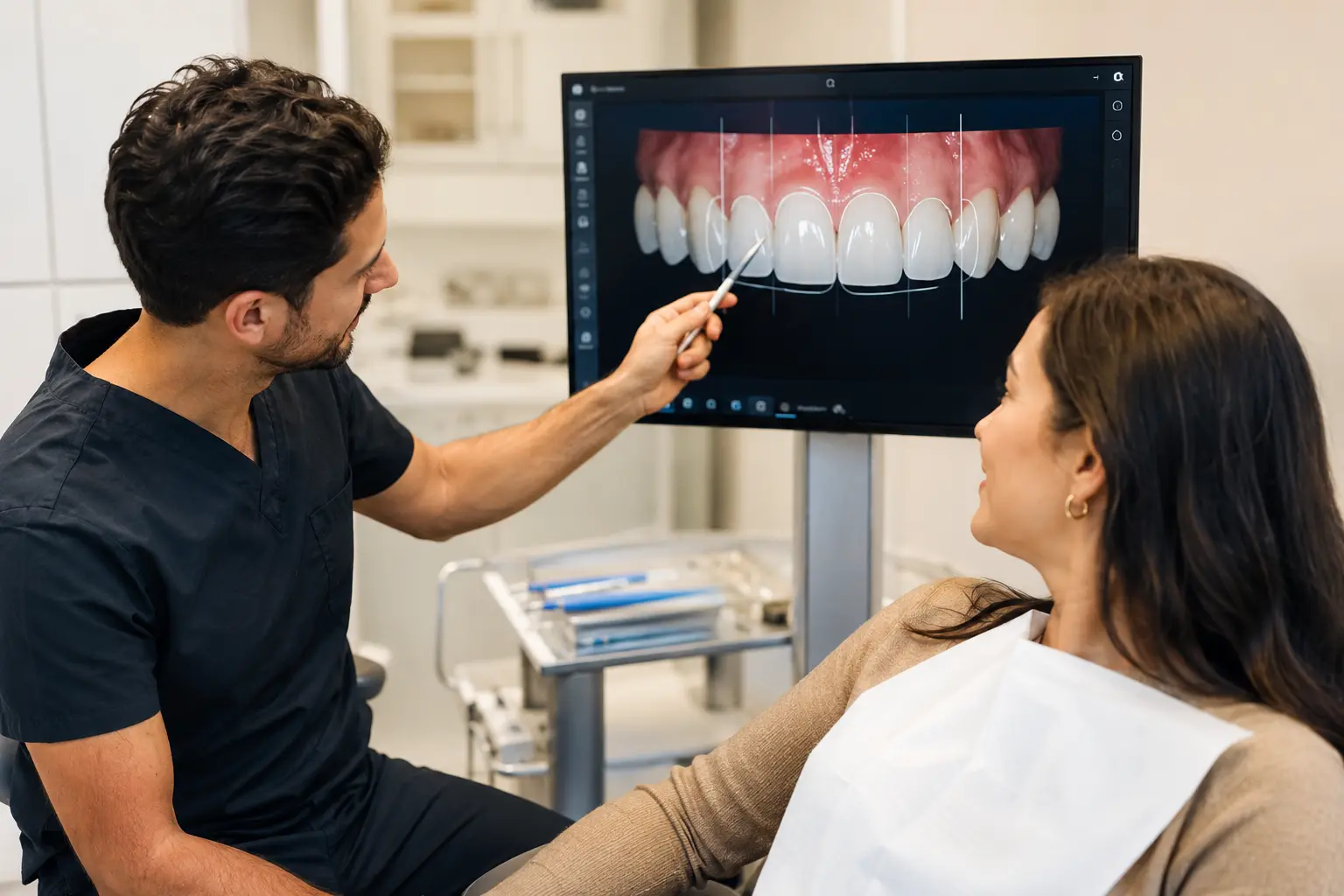
Digital smile design represents a shift in how dentists approach cosmetic dental work. Rather than relying solely on clinical judgment and patient descriptions, this technology creates a visual blueprint of your treatment before any work begins. Imagine sitting in your dentist’s chair and seeing a photorealistic image of what your smile could look like after treatment. The process starts with high-resolution photographs of your face and teeth, which are then imported into specialized software. A dentist trained in this approach analyzes the relationship between your teeth, lips, gums, and facial structure. They consider factors like tooth size, color, shape, and alignment in relation to your age, skin tone, and facial proportions. For seniors, this is particularly valuable because it accounts for age-related changes like gum recession, bone loss, and changes in facial structure that occur naturally over time. The software allows dentists to make adjustments and show you multiple treatment scenarios, helping you understand exactly what to expect.
The technology behind digital smile design
The backbone of digital smile design is computer-aided design software originally developed for engineering and architecture. Dentists use specialized programs that allow them to overlay digital tooth shapes, colors, and positions onto photographs of your actual face. The software analyzes facial proportions using principles of aesthetic dentistry, including the golden ratio and other mathematical relationships that research suggests correlate with perceived beauty. When a dentist uses this technology, they’re essentially creating a treatment map. They can adjust individual tooth width, length, and shade. They can modify gum line position and tooth alignment. They can even simulate how different treatment options would look on your specific face. For seniors, this precision matters because age-related bone loss and gum changes require careful planning. The technology helps dentists account for these changes and predict how treatments will look as your face continues to age. Some advanced systems even use three-dimensional imaging to show how teeth will function and move, not just how they’ll appear.
Digital smile design offers several practical advantages that extend beyond simple visualization. Enhanced visualization means you’re not imagining results based on a dentist’s verbal description or looking at generic before-and-after photos of other patients. You’re seeing your own face with your own specific changes. This eliminates much of the guesswork and reduces the chance of disappointment after treatment. Improved communication happens because both you and your dentist are literally looking at the same image and discussing the same goals. Miscommunication is one of the most common sources of patient dissatisfaction in cosmetic dentistry. When a dentist says a tooth will look natural and you imagine something different, problems arise. Digital images remove this ambiguity. Personalized care is perhaps the most significant benefit for seniors. Your treatment plan isn’t based on a standard protocol applied to everyone. Instead, it’s customized to your unique facial anatomy, age-related changes, existing dental work, and personal preferences. A 65-year-old with significant bone loss needs a different approach than a 70-year-old with minimal changes. Digital smile design allows dentists to account for these individual differences and create treatment plans that work specifically for you.
- Schedule a consultation with a dentist who has specific training and experience in digital smile design technology.
- Discuss your dental concerns, aesthetic goals, and any age-related issues you’ve noticed with your teeth or smile.
- Allow the dentist to take high-resolution photographs and possibly three-dimensional scans of your teeth and face.
- Review the digital simulations showing potential treatment outcomes and discuss which options appeal to you most.
- Work with your dentist to refine the digital design until it matches your vision and expectations.
- Understand the treatment timeline, costs, and any risks or limitations specific to your situation.
- Proceed with the planned dental procedures knowing exactly what to expect based on the digital preview.
🔬 Science-backed benefits in 2 minuteschoose where to begin:
Digital smile design vs. traditional methods
Traditional cosmetic dentistry relies heavily on the dentist’s experience and artistic eye. A dentist might describe what they plan to do, show you photos of other patients, or use physical models to explain treatment. While experienced dentists have excellent results this way, there’s inherent variability. What one dentist considers ideal proportions might differ from another’s interpretation. What looks good in a photograph of someone else might not translate to your face. Digital smile design removes much of this variability by making the treatment plan explicit and visual. You can see exactly what the dentist is planning, discuss specific details, and request changes before any irreversible work begins. For seniors especially, this matters because your facial anatomy is unique. You may have bone loss, gum recession, or previous dental work that requires special consideration. Traditional methods might miss these nuances or require the dentist to make adjustments during treatment. Digital planning allows for more precision and reduces the need for corrections after the fact. Studies in dental literature show that patients who see digital previews report higher satisfaction with their final results compared to those who don’t.
Considerations for seniors
Seniors face specific dental challenges that digital smile design is particularly well-suited to address. Age-related bone loss changes how teeth sit in your jaw and affects how they should be restored. Gum recession exposes tooth roots and requires careful planning to look natural. Previous dental work like crowns or fillings may need to be replaced or coordinated with new treatment. Existing health conditions and medications can affect healing and treatment options. Digital smile design allows dentists to visualize how treatments will work within these age-specific contexts. A 70-year-old considering dental implants needs to understand how bone loss will affect implant placement and tooth appearance. Digital imaging shows this clearly. Someone considering cosmetic bonding or veneers needs to know how these will interact with existing gum recession. Again, digital visualization makes this explicit. Additionally, many seniors worry about whether cosmetic dental work is worth the investment at their age. Seeing a realistic preview helps you make an informed decision about whether the results justify the time and expense. You’re not committing to treatment based on hope or the dentist’s assurances. You’re making a decision based on seeing your own specific outcome.
Future of digital smile design
Dental technology continues to evolve rapidly. Artificial intelligence is beginning to play a role in analyzing facial proportions and suggesting treatment options based on patterns in successful cases. Three-dimensional printing allows dentists to create physical models of your teeth and proposed changes, giving you a tangible preview. Virtual reality technology may eventually allow you to experience your new smile in immersive environments before treatment begins. Imaging software is becoming more sophisticated at predicting how your face will age and how dental changes will look years into the future. For seniors, these advances mean even more personalized and predictive treatment planning. Future systems might account for how your face will continue to change as you age, ensuring that cosmetic work looks natural not just today but for years to come. Integration with other health data might allow dentists to factor in your overall health status and predict healing outcomes more accurately. While digital smile design is already a significant advancement, the trajectory suggests even more precise, personalized, and predictive tools will become available in coming years.
Digital smile design represents a meaningful advancement in how cosmetic dental treatment is planned and communicated. By creating visual previews of treatment outcomes, this technology helps seniors make informed decisions about their dental care. The approach accounts for age-related changes and individual facial anatomy, resulting in more personalized treatment plans. Rather than relying on imagination or generic examples, you see your own specific results before committing to treatment. This transparency reduces uncertainty and helps align expectations between patient and dentist.
Is digital smile design suitable for seniors with multiple dental concerns?
Yes. Digital smile design is particularly useful for seniors with multiple dental issues because it allows dentists to create comprehensive treatment plans that address several concerns simultaneously while maintaining overall facial harmony and accounting for age-related changes.
How can I find a dentist who specializes in digital smile design?
Search for dental practices that specifically mention digital smile design on their websites or call local dental offices to ask if they offer this service. Many cosmetic dentists have received training in this technology. You can also ask your current dentist for a referral to someone trained in digital smile design.
Others also read:
Disclaimer: This article is for informational purposes only and is not a substitute for professional medical advice. Always consult a healthcare professional for personal guidance.
This article has been prepared and reviewed by the GlobalHealthBeacon editorial team and is based on current medical research and published scientific literature available in 2026. It provides structured, evidence-based information to support informed health decisions.
