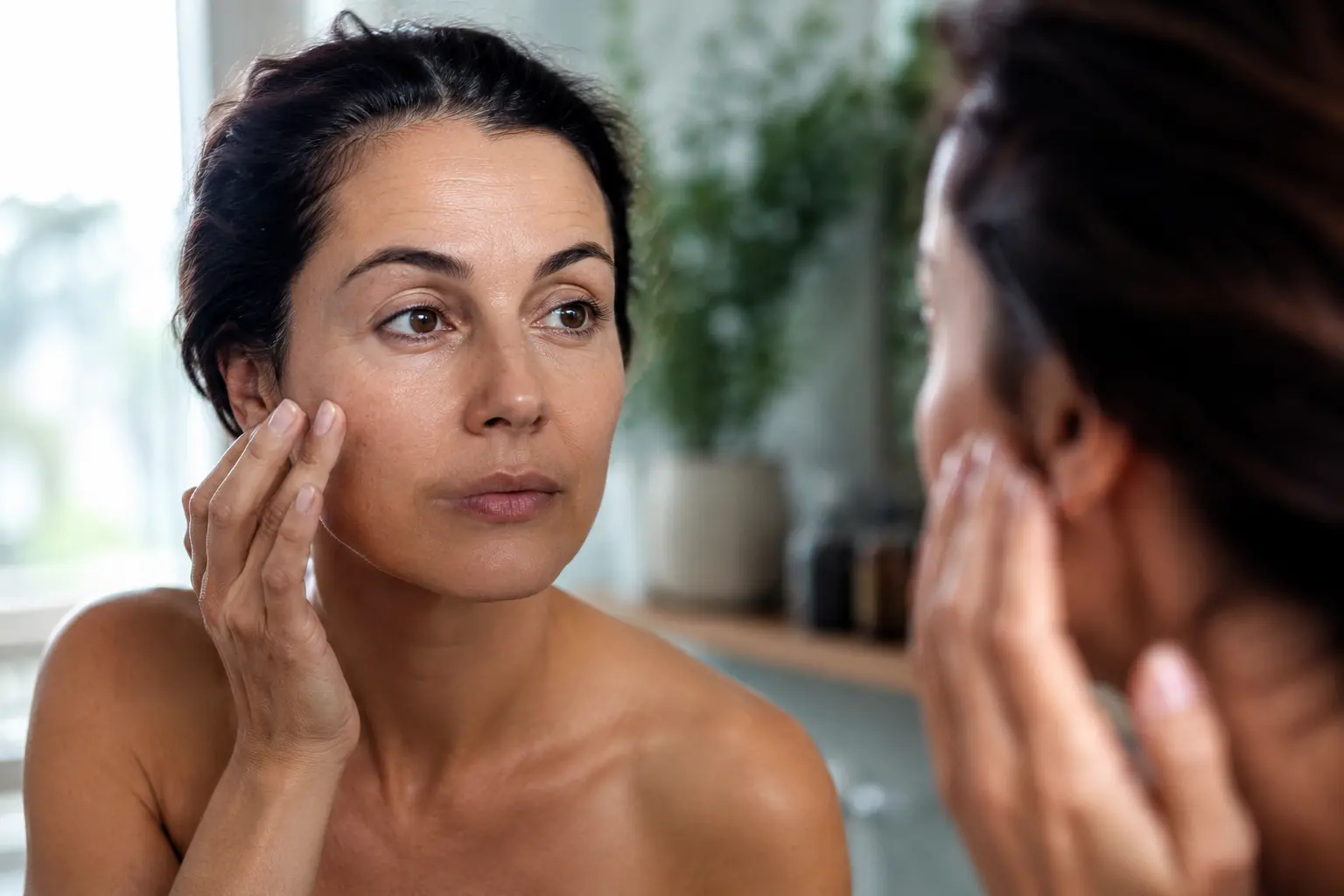
You’re watching your friends glow while your skin feels dull and tired, and you’re wondering if the damage is already done before you even hit 25 – but here’s what skin longevity explained actually means for your future.
What is skin longevity?
Skin longevity refers to your skin’s ability to maintain firmness, clarity, and that coveted youthful glow as years pass. Think of it like investing in a house – the better you maintain it now, the better it holds up later. For young adults, this isn’t about looking 16 forever. It’s about building habits that prevent accelerated aging and keep your skin resilient. Genetics load the gun, but your lifestyle pulls the trigger. Your skin’s longevity depends on how well you protect it from environmental stress, nourish it from within, and support its natural repair processes. Some people at 30 look 40 because they skipped sunscreen and slept poorly for a decade. Others look refreshed because they invested in consistent routines early. The good news is that you’re reading this now, which means you can start stacking these habits in your favor before damage becomes harder to reverse.
- Healthy diet and hydration are essential for promoting skin longevity.
- Protecting your skin from sun damage is crucial in preventing premature aging.
- Using quality skincare products suitable for your skin type can support skin longevity.
Understanding the role of collagen
Collagen is the structural protein that keeps your skin plump, firm, and bouncy. Imagine it as the scaffolding holding up a building – when it’s intact, everything looks tight and youthful. Starting around age 25, your body naturally produces about 1% less collagen each year. By 30, you might notice fine lines appearing where your skin used to spring back instantly. The decline accelerates if you’re exposed to sun damage, stress, poor sleep, or a diet lacking in nutrients. You can’t stop this process entirely, but you can slow it dramatically. Eating vitamin C-rich foods like citrus and berries supports collagen synthesis. Antioxidants from green tea, dark chocolate, and leafy greens protect existing collagen from breaking down. Retinol products boost collagen production at the cellular level. Hydration matters too – dehydrated skin looks thin and emphasizes fine lines. A 22-year-old who starts protecting collagen now will have noticeably firmer skin at 35 than someone who ignores it.
📘 Fix your day in under 2 minuteschoose where to begin:
Importance of hydration and sun protection
Hydration is non-negotiable for skin longevity. When your skin is properly hydrated, it plumps up, fine lines fade temporarily, and your complexion looks radiant. Dehydrated skin, by contrast, looks dull, feels tight, and emphasizes every imperfection. Drinking water helps, but you also need a moisturizer that locks water into your skin barrier. Look for ingredients like hyaluronic acid or glycerin. Sun protection is where most young adults fail catastrophically. UV rays damage collagen, trigger inflammation, and cause dark spots and leathery texture. One bad sunburn in your 20s can show up as a sun spot at 35. The cumulative effect of daily unprotected sun exposure is the single biggest driver of premature aging. Use SPF 30 minimum daily, reapply every two hours if you’re outside, and wear hats or long sleeves when possible. Many young adults think sunscreen is only for beach days – it’s actually for every single day, rain or shine, because UV rays penetrate clouds.
Skincare routine for skin longevity
A solid routine doesn’t need to be complicated, but it needs to be consistent. Start with a gentle cleanser that removes dirt and makeup without stripping your skin. Follow with a treatment product tailored to your concerns – vitamin C serum for brightness, niacinamide for pore control, or hyaluronic acid for hydration. Apply a moisturizer appropriate for your skin type while your skin is still slightly damp to seal in hydration. At night, consider adding a retinol product once or twice weekly if your skin tolerates it – this is one of the most evidence-backed anti-aging ingredients available. Sunscreen in the morning is non-negotiable. Exfoliate gently once or twice weekly to remove dead skin cells and improve product absorption. Many young adults skip steps or use products inconsistently, then wonder why they don’t see results. Skin changes take 6 to 8 weeks to become visible. Commit to a routine for at least two months before evaluating whether it’s working. Your 20-year-old self won’t thank you, but your 40-year-old self absolutely will.
Lifestyle factors and skin longevity
Your skin reflects your lifestyle choices more honestly than any mirror. Sleep deprivation triggers inflammation and reduces collagen production – chronic poor sleep accelerates visible aging. Aim for 7 to 9 hours nightly. Stress elevates cortisol, which breaks down collagen and triggers breakouts. Regular exercise improves circulation, delivering oxygen and nutrients to skin cells. Even 30 minutes of walking daily makes a difference. Smoking and excessive alcohol are skin agers – they dehydrate skin, reduce collagen, and cause inflammation. If you smoke, quitting is the single most impactful thing you can do for your skin. Diet matters profoundly. Processed foods and excess sugar trigger inflammation and glycation, which damages collagen. A diet rich in whole foods, healthy fats, and antioxidants supports skin health from within. Young adults often underestimate how much their habits compound. Staying up late three nights weekly, drinking heavily on weekends, eating mostly processed food, and skipping sunscreen might feel fine at 23. By 28, the cumulative damage becomes visible. The reverse is also true – building good habits now creates a compounding benefit that becomes obvious within years.
Skin longevity is influenced by various factors such as collagen production, hydration, sun protection, skincare routine, and lifestyle choices. By focusing on these aspects, you can support your skin in maintaining its youthfulness over time.
Can skin longevity be improved with skincare products alone?
While skincare products play a role in supporting skin health, achieving skin longevity requires a holistic approach that includes proper nutrition, sun protection, hydration, and lifestyle habits.
At what age should young adults start focusing on skin longevity?
It’s never too early to start taking care of your skin. Young adults can benefit from establishing healthy skincare habits early on to support skin longevity in the long term.
Others also read:
Disclaimer: This article is for informational purposes only and is not a substitute for professional medical advice. Always consult a healthcare professional for personal guidance.
This guide has been prepared and reviewed by the GlobalHealthBeacon editorial team and reflects current medical research as of 2026. It provides structured, evidence-based information to support informed health decisions.
