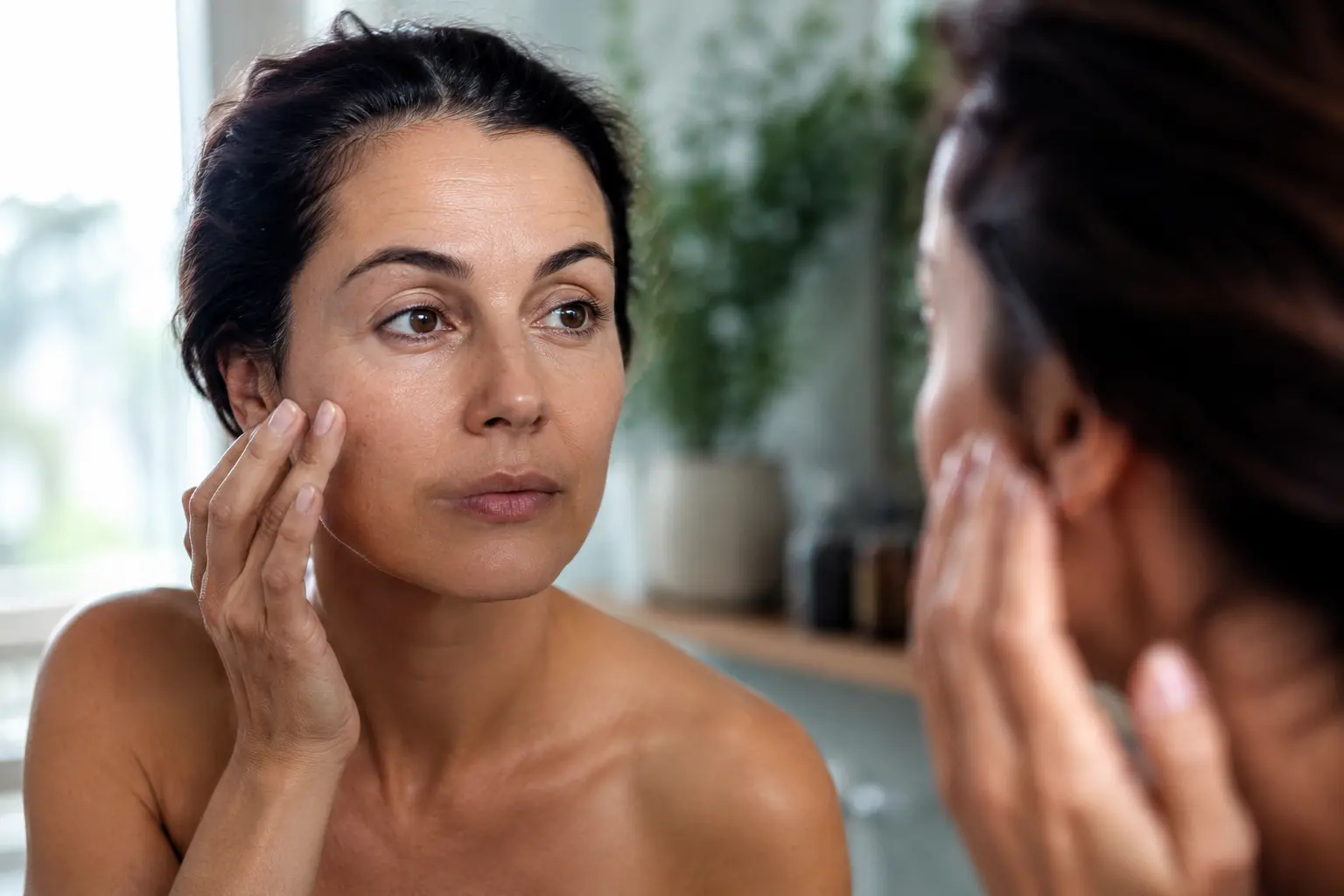
You’re noticing fine lines earlier than expected, your skin feels dull no matter how much water you drink, and you’re wondering if you’ve already missed the window to prevent aging, but here’s the truth: skin longevity explained means understanding that your 20s and 30s are actually the perfect time to build habits that will keep your skin looking fresh for decades.
Understanding skin longevity
Skin longevity isn’t about chasing fountain-of-youth products or expensive treatments. It’s about recognizing that your skin is a living system responding to everything you do, from the moment you wake up to when you sleep. Think of it like building a house: you can either maintain it consistently from day one, or wait until the foundation cracks and scramble to fix it. Your skin works the same way. When you’re young, your cells regenerate quickly and your skin bounces back easily. But without intentional habits, that natural resilience fades. Sun exposure without protection, skipping moisturizer because you think your young skin doesn’t need it, eating processed foods regularly, staying up late scrolling on your phone, and stressing about work all add up over time. The good news? Starting now means you’re building a foundation that compounds. Someone who starts protecting their skin at 25 will look dramatically different at 45 than someone who starts at 35. Understanding skin longevity means recognizing these patterns early and making small adjustments that feel manageable, not overwhelming.
- Protect your skin from harmful UV rays by using sunscreen daily, even on cloudy days and indoors if you spend time near windows.
- Eat a balanced diet rich in antioxidants to combat free radical damage, focusing on colorful vegetables, berries, and healthy fats like omega-3s.
- Establish a consistent skincare routine with gentle cleansers and moisturizers that match your skin type, using the same products long enough to see results.
The role of hydration
Hydration is one of those concepts that sounds simple but gets misunderstood constantly. Yes, drinking water matters, but it’s not a magic fix on its own. Your skin’s hydration depends on two things: water intake and moisture retention. Imagine your skin cells as tiny sponges. If they’re dehydrated, they shrivel up, making fine lines more visible and your complexion look tired. When they’re plump with moisture, your skin looks fuller, smoother, and more radiant. The trick is locking that moisture in. This is where hydrating skincare products come in. Look for ingredients like hyaluronic acid, glycerin, and ceramides that actually pull water into your skin and keep it there. A common mistake young adults make is using heavy creams when their skin is still damp after cleansing, thinking they’re hydrating when they’re actually just trapping water on the surface. Instead, apply hydrating serums to damp skin, then follow with a lightweight moisturizer. Drinking water throughout the day supports this from the inside, but you’ll notice the real difference when you combine internal hydration with external moisture-locking products.
📘 Fix your day in under 2 minuteschoose where to begin:
Healthy lifestyle choices
Your skin is a reflection of what’s happening inside your body and in your daily habits. You can use the best skincare products in the world, but if you’re eating takeout five nights a week, sleeping five hours, and running on stress and caffeine, your skin will show it. Nutritious foods provide the building blocks your skin needs: protein for collagen production, vitamins for cellular repair, and minerals for skin barrier function. Getting enough sleep isn’t optional for skin longevity. During sleep, your body increases blood flow to the skin and rebuilds collagen. Consistently sleeping less than seven hours accelerates visible aging. Stress management matters too because chronic stress triggers inflammation, which shows up as breakouts, redness, and accelerated aging. A realistic approach means picking one or two habits to improve rather than overhauling everything at once. Maybe you start by adding one extra hour of sleep and one extra serving of vegetables daily. After a few weeks, that becomes normal, and you add another habit. This gradual approach is far more sustainable than dramatic changes that you abandon after two weeks.
Avoiding harmful habits
Some habits actively work against skin longevity, and the earlier you recognize and eliminate them, the better your long-term results. Smoking is one of the most damaging because it reduces blood flow to your skin, depletes vitamin C, and creates free radicals that break down collagen. People who smoke often develop deeper wrinkles and a grayish complexion by their 40s compared to non-smokers. Excessive alcohol dehydrates your skin from the inside out and inflames it, making breakouts worse and accelerating aging. Poor sleep doesn’t just leave you tired; it impairs your skin’s repair processes and increases cortisol, which triggers inflammation and breakouts. If you’re currently doing any of these, understand that quitting doesn’t mean perfection. Cutting back significantly still makes a difference. If you smoke, reducing from a pack a day to a few cigarettes weekly is progress. If you drink heavily, limiting alcohol to weekends instead of nightly is a win. Prioritizing self-care through these changes isn’t selfish; it’s an investment in how you’ll look and feel for the next 30 years.
Consulting a dermatologist
A dermatologist is like a skin coach who can spot issues before they become problems and recommend treatments tailored specifically to you. Many young adults skip this step because they think dermatologists are only for serious skin conditions, but preventative dermatology is incredibly valuable. A dermatologist can identify early signs of sun damage, recommend the right products for your specific skin type, and suggest treatments like retinoids or professional facials that accelerate results. They can also rule out conditions that look like acne but aren’t, or identify why your skin is reacting a certain way. Starting regular visits in your 20s or early 30s sets you up for success. You don’t need to go monthly; once or twice yearly for a check-in is often enough. If you have specific concerns like persistent breakouts, sensitivity, or uneven texture, that’s a sign to schedule an appointment sooner. A dermatologist can also recommend professional treatments like chemical peels or laser therapy that complement your at-home routine, giving you faster, more visible results than skincare alone.
Effective skin longevity relies on understanding the factors that influence skin aging and adopting healthy habits like sun protection, hydration, and a balanced lifestyle. Consistency is key in preserving your skin’s youthfulness for the long term.
Can genetics influence skin longevity?
Genetics can play a role in how your skin ages, but adopting a skincare routine and healthy lifestyle habits can help mitigate genetic factors and support skin longevity.
How often should I exfoliate for skin longevity?
Exfoliating 1-2 times a week can help remove dead skin cells and promote skin renewal. However, it’s important to choose gentle exfoliants to avoid damaging your skin’s barrier.
Others also read:
Disclaimer: This article is for informational purposes only and is not a substitute for professional medical advice. Always consult a healthcare professional for personal guidance.
This guide has been prepared and reviewed by the GlobalHealthBeacon editorial team and reflects current medical research as of 2026. It provides structured, evidence-based information to support informed health decisions.
