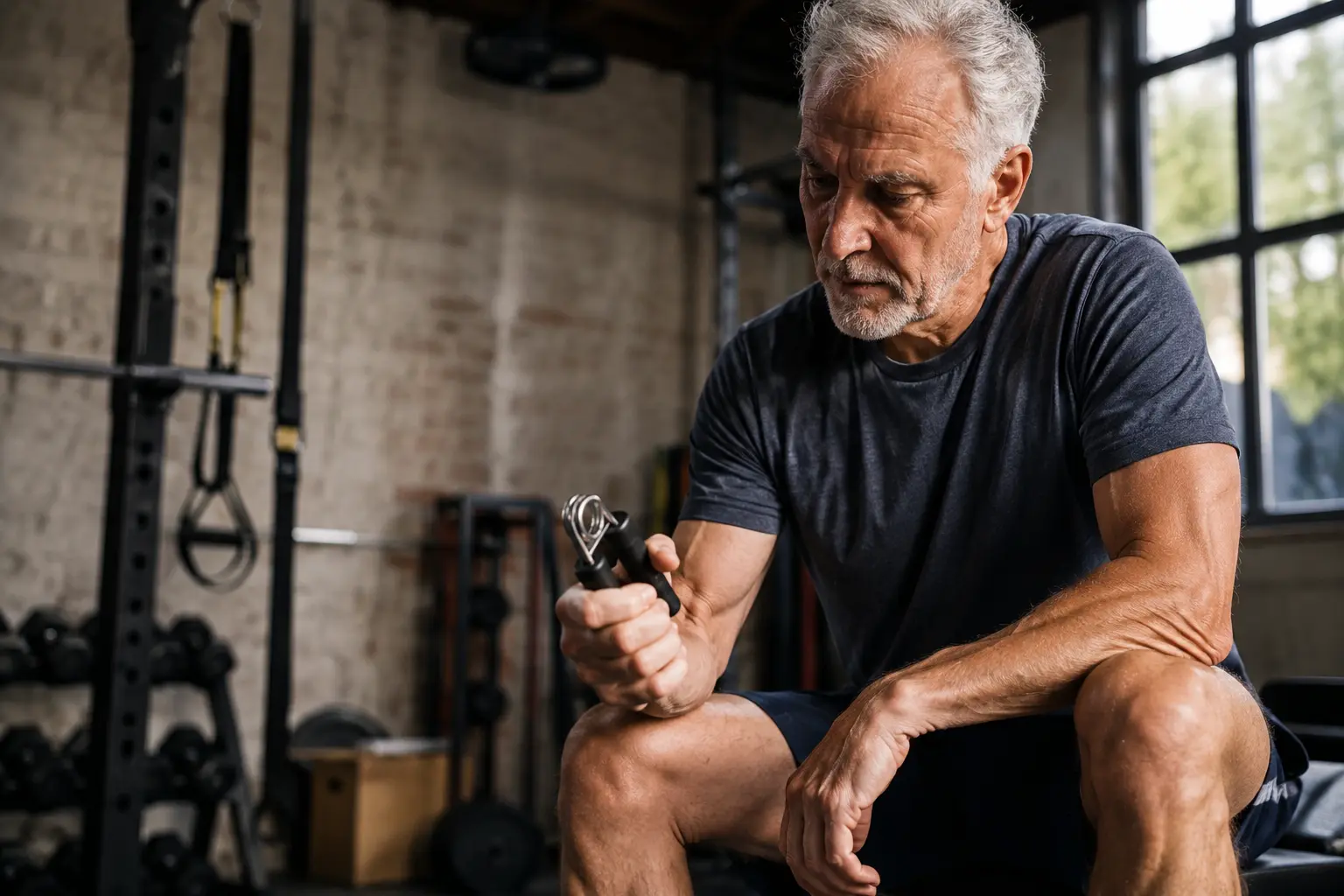
Your hands are getting weaker, you notice it when opening jars or shaking hands, and it’s making you wonder if this is just normal aging or a real warning sign about grip strength and longevity that actually matters.
The role of grip strength in longevity
Grip strength is far more than a simple measure of how hard you can squeeze. Think of it as a window into your body’s overall resilience and functional capacity. When researchers examine grip strength in older adults, they consistently find a striking pattern: people with weaker grips tend to face higher risks of serious health events and earlier mortality. Consider a 70-year-old who can barely hold a coffee cup without strain compared to a peer who maintains a firm handshake. The difference isn’t just about hand muscles. Grip strength reflects the integrity of your entire musculoskeletal system, your nervous system’s ability to coordinate movement, and your body’s capacity to maintain itself over time. Studies tracking thousands of seniors over decades show that grip strength measurements taken today can predict health outcomes years into the future, making it one of the most reliable early warning systems available.
Biological basis of grip strength
Your grip strength emerges from a complex interplay of biological systems working together. The hand itself contains intricate networks of muscles, tendons, and nerves that must coordinate precisely. But grip strength also depends on your brain’s ability to send clear signals through your spinal cord and peripheral nerves, your muscles’ capacity to generate force, and your bones’ structural integrity. As you age, muscle fibers naturally shrink and become fewer, a process called sarcopenia that accelerates after age 60. Your nervous system also changes, becoming less efficient at recruiting muscle fibers for powerful contractions. Additionally, hormonal shifts, particularly declining testosterone and growth hormone, contribute to muscle loss. A 75-year-old’s grip strength might be 30 to 40 percent lower than it was at 30, not because of laziness but because of these fundamental biological shifts. Understanding this helps explain why grip strength serves as such a powerful biomarker: it captures the cumulative effects of aging across multiple body systems simultaneously.
Factors influencing grip strength
Your grip strength isn’t fixed by genetics alone. While your genes set a baseline, numerous modifiable factors shape whether you maintain strength or lose it rapidly. Physical activity levels matter enormously: someone who regularly carries groceries, gardens, or does resistance training maintains grip strength far better than a sedentary peer. Nutritional status is equally critical. Protein intake directly fuels muscle maintenance, while deficiencies in vitamin D, iron, or B vitamins can accelerate muscle loss. Underlying health conditions like arthritis, diabetes, or neurological disorders can weaken grip significantly. Medications, stress levels, sleep quality, and even social engagement influence your muscular strength. Consider two 68-year-old women: one walks daily, eats adequate protein, manages her blood sugar well, and stays socially active; the other is sedentary, skips meals, and feels isolated. Their grip strength measurements at 75 would likely differ dramatically. The encouraging news is that most of these factors are within your control, making grip strength one of the few aging markers you can actively influence.
- Engage in regular strength training exercises to improve muscle strength and grip power, such as squeezing therapy balls, using hand grippers, or performing resistance band exercises two to three times weekly.
- Consume a diet high in protein, vitamins, and minerals to support muscle health and function, aiming for adequate protein at each meal and including sources like fish, eggs, legumes, and dairy.
- Prioritize overall health by staying active, managing stress, and getting regular check-ups to address any underlying medical conditions that might compromise your strength and longevity.
🔬 Science-backed benefits in 2 minuteschoose where to begin:
The link between grip strength and longevity
The connection between grip strength and how long you live isn’t coincidental. Large-scale studies following tens of thousands of people have revealed that grip strength is one of the strongest predictors of mortality risk in older adults, sometimes outperforming traditional risk factors like blood pressure or cholesterol levels. A person with weak grip strength faces elevated risks not just from muscle-related problems but from heart disease, stroke, infections, and falls. This happens because grip strength reflects your body’s overall reserve capacity. When your muscles are weak, your immune system tends to be compromised, your cardiovascular fitness suffers, and your ability to recover from illness or injury diminishes. Imagine grip strength as a reserve tank: the fuller it is, the more resilience you have when health challenges arise. Research shows that improving grip strength is associated with better survival rates, reduced hospitalization, and improved quality of life in later years. This isn’t about becoming strong for vanity; it’s about building the physical foundation that allows your body to weather the storms of aging.
Improving grip strength for longevity
The path to stronger hands and better longevity involves targeted, consistent effort. Handgrip exercises using adjustable grippers, where you squeeze and hold for several seconds, directly strengthen the muscles controlling your grip. Wrist curls with light weights or resistance bands build forearm strength. Resistance training for your entire upper body, including rows, push-ups, and shoulder presses, creates systemic benefits that extend beyond your hands. A practical routine might involve three sessions weekly, each lasting 20 to 30 minutes, combining grip-specific work with broader strength training. Consistency matters more than intensity, especially for seniors. Starting slowly and progressing gradually prevents injury and builds sustainable habits. Many people see measurable improvements in grip strength within 4 to 8 weeks of regular training. Beyond exercises, adequate protein intake, proper sleep, stress management, and staying socially engaged all support muscle maintenance. Some seniors find group fitness classes motivating, while others prefer home-based routines. The key is finding an approach you’ll actually stick with long-term.
Future directions in research
Scientists continue uncovering new dimensions of how grip strength connects to aging and longevity. Emerging research explores whether improving grip strength through targeted interventions can actually extend lifespan or merely improve quality of life. Researchers are investigating the molecular mechanisms underlying age-related muscle loss, searching for potential therapies that might slow or reverse sarcopenia. Some studies examine whether grip strength training offers protective benefits against cognitive decline and dementia, suggesting muscles may communicate with the brain in ways we’re only beginning to understand. Advanced imaging and genetic studies are revealing how individual variations in muscle fiber composition and mitochondrial function influence grip strength trajectories. Understanding these mechanisms could lead to personalized interventions tailored to your specific aging profile. As this research evolves, grip strength assessment may become a standard part of preventive health screening, helping identify at-risk seniors before serious decline occurs. The ultimate goal is transforming grip strength from a simple measurement into an actionable tool for extending both lifespan and healthspan.
Grip strength plays a crucial role in predicting longevity in seniors, serving as a window into your overall health and resilience. By addressing factors that influence grip strength through targeted exercises, proper nutrition, and lifestyle modifications, individuals can potentially improve their overall health and well-being as they age.
Can grip strength be improved in seniors?
Yes, grip strength can be improved in seniors through regular strength training exercises, proper nutrition, and lifestyle modifications. Consult a healthcare provider or fitness professional for personalized recommendations.
How can grip strength impact longevity?
Higher grip strength is associated with better health outcomes and increased longevity in seniors. By maintaining and improving grip strength, individuals may potentially enhance their overall quality of life and lifespan.
Others also read:
Disclaimer: This article is for informational purposes only and is not a substitute for professional medical advice. Always consult a healthcare professional for personal guidance.
This article has been prepared and reviewed by the GlobalHealthBeacon editorial team and is based on current medical research and published scientific literature available in 2026. It provides structured, evidence-based information to support informed health decisions.
