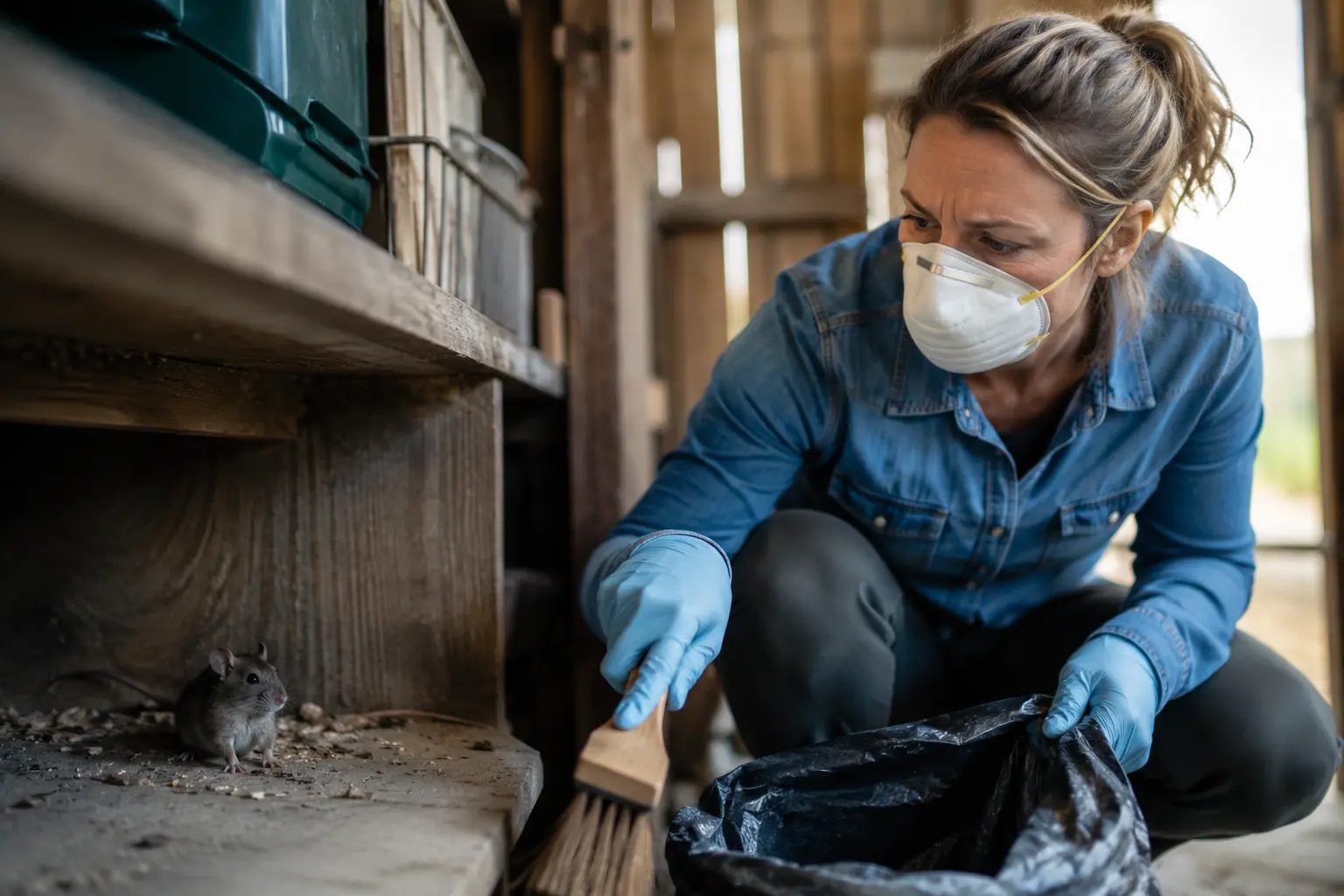
You’re cleaning out your garage or cabin and suddenly realize you have no idea if those mouse droppings are dangerous, what hantavirus transmission basics actually means, or whether you’re putting yourself at serious risk right now.
Understanding hantavirus transmission basics
Hantavirus spreads primarily through contact with infected rodent urine, droppings, or saliva, with deer mice being the most common carriers in North America. The virus enters your body through broken skin, mucous membranes, or inhalation of contaminated dust particles. Picture this: you’re sweeping out a shed and accidentally stir up dust from old rodent droppings without a mask. That airborne particles can carry the virus directly into your lungs. Understanding these transmission routes helps you recognize real dangers versus unnecessary worry. The virus does not spread through touching an infected person, which is reassuring for caregivers. What matters most is knowing where rodents hide and how their waste contaminates spaces. Basements, attics, storage areas, and garages are high-risk zones. Even a small gap in your home’s foundation can invite rodents inside. By identifying these vulnerable areas in your own living space, you can take targeted action rather than feeling helpless.
- Always wear protective gear such as gloves and masks when cleaning areas with rodent activity.
- Seal up any holes or cracks in your home to prevent rodents from entering.
- Avoid touching or disturbing rodent nests or droppings.
Efficient cleaning practices to minimize risks
Proper cleaning technique makes the difference between safe removal and dangerous exposure. Start by ventilating the area thoroughly, opening windows and doors to allow fresh air circulation for at least 30 minutes before you begin. Spray rodent droppings and contaminated surfaces with a bleach solution (one part bleach to nine parts water) and let it sit for five minutes to kill the virus. This dampening step prevents particles from becoming airborne when you sweep or wipe. Use disposable paper towels rather than cloth rags, and place everything in a sealed plastic bag for disposal. Never use a vacuum cleaner, as this spreads particles through the air. For larger contaminated areas, consider hiring professionals trained in hantavirus cleanup rather than handling it yourself. Many women find this approach reduces anxiety and ensures proper protocol. Wear double gloves, removing the outer pair carefully and disposing of it before removing the inner pair. After cleaning, wash your hands thoroughly with soap and warm water. This methodical approach transforms a scary task into a manageable, safe process.
📘 Fix your day in under 2 minuteschoose where to begin:
Outdoor precautions for hantavirus prevention
Outdoor exposure requires different strategies depending on your activities. If you camp, hike, or spend time in rural areas where rodents are present, avoid sleeping directly on the ground where mice nest. Use a tent with a sealed floor and keep it zipped at all times. Store all food in sealed containers or bear canisters, never leaving crumbs or trash scattered around your campsite. When hiking, stay on established trails and avoid disturbing brush piles or fallen logs where rodents hide. If you work in agriculture, gardening, or outdoor maintenance, wear gloves when handling hay, grain, or materials that might harbor rodents. A woman working on a farm might discover rodent nests while clearing old equipment, making protective gear essential. Keep your work area clean and organized, removing potential nesting materials like straw or cloth. If you notice rodent activity near your home’s exterior, trim vegetation away from the foundation and remove debris piles. These outdoor habits significantly reduce your exposure risk while allowing you to enjoy outdoor activities with confidence.
Recognizing early symptoms and seeking medical advice
Hantavirus symptoms typically appear 1 to 8 weeks after exposure, though this timeline varies. Early warning signs include fever, severe muscle aches (especially in the thighs and hips), fatigue that feels disproportionate to your activity level, and headaches. Some women report feeling unusually tired for days before other symptoms emerge. As the illness progresses, you might develop shortness of breath, cough, or chest discomfort, which signals the virus has reached your lungs. This progression can happen rapidly, sometimes within hours. If you remember potential rodent exposure within the past two months and develop these symptoms, seek medical attention immediately rather than waiting to see if you improve on your own. Tell your doctor about the exposure history, as this helps them consider hantavirus testing. Early medical intervention can make a significant difference in outcomes. Hantavirus pulmonary syndrome is serious, but prompt treatment improves survival rates substantially. Do not assume your symptoms are just a cold or flu, especially if you have a known exposure history. Your awareness and quick action could be lifesaving.
Creating a prevention plan for long-term safety
A personalized prevention plan addresses your specific living situation and lifestyle. Start by assessing your home and surroundings, identifying areas where rodents might enter or nest. Document these findings in a simple checklist. Next, establish a sealing schedule: prioritize the largest gaps first, then work through smaller cracks over time. Set reminders for seasonal tasks like clearing gutters and trimming vegetation. If you live in a high-risk area, consider annual professional pest inspections. For your work environment, whether that is a home office, farm, or outdoor job, create specific protocols for protective gear and cleaning. Share your plan with family members so everyone understands the approach. Review and update your plan annually or whenever your living situation changes. A woman who recently moved to a rural property might discover new rodent activity in spring and need to adjust her strategy accordingly. Your prevention plan is not rigid; it evolves as you learn more about your environment and as seasons change. This proactive mindset transforms hantavirus prevention from a source of anxiety into a manageable part of your routine.
Key prevention strategies for women to defend against hantavirus transmission include understanding transmission basics, implementing efficient cleaning practices, taking outdoor precautions, recognizing early symptoms, and creating a long-term prevention plan for sustained safety.
Can hantavirus be transmitted from person to person?
No, hantavirus is not transmitted from person to person. The primary mode of transmission is through contact with the excreta of infected rodents.
What are the early symptoms of hantavirus infection?
Early symptoms of hantavirus infection may include fever, muscle aches, fatigue, and respiratory issues. Prompt medical attention is crucial in case of any potential exposure.
Others also read:
Disclaimer: This article is for informational purposes only and is not a substitute for professional medical advice. Always consult a healthcare professional for personal guidance.
This guide has been prepared and reviewed by the GlobalHealthBeacon editorial team and reflects current medical research as of 2026. It provides structured, evidence-based information to support informed health decisions.

