Your gums bleed when you floss, your breath feels off, and your dentist just mentioned scaling and root planing like it’s no big deal, but you’re sitting there wondering if this deep cleaning procedure is actually necessary or just another way to drain your wallet.
Understanding scaling and root planing
Scaling and root planing is a non-surgical deep cleaning procedure that targets the areas your regular toothbrush simply cannot reach. Plaque and tartar accumulate below your gumline over time, creating pockets where bacteria thrive and gum disease develops. During this procedure, your dentist uses specialized ultrasonic and hand instruments to carefully remove these deposits from the tooth surface and the root area beneath the gum. Think of it as a professional reset for your mouth. For many women, this procedure becomes necessary after years of regular brushing and flossing haven’t been enough to prevent gum recession or periodontal disease. The procedure is typically painless when local anesthesia is applied, though you may feel pressure and vibration. It’s designed to stop gum disease in its tracks before it progresses to more serious stages that could lead to tooth loss.
- Prevents gum disease progression
- Reduces inflammation and bleeding gums
- Promotes healthier gums and fresher breath
What to expect during the procedure
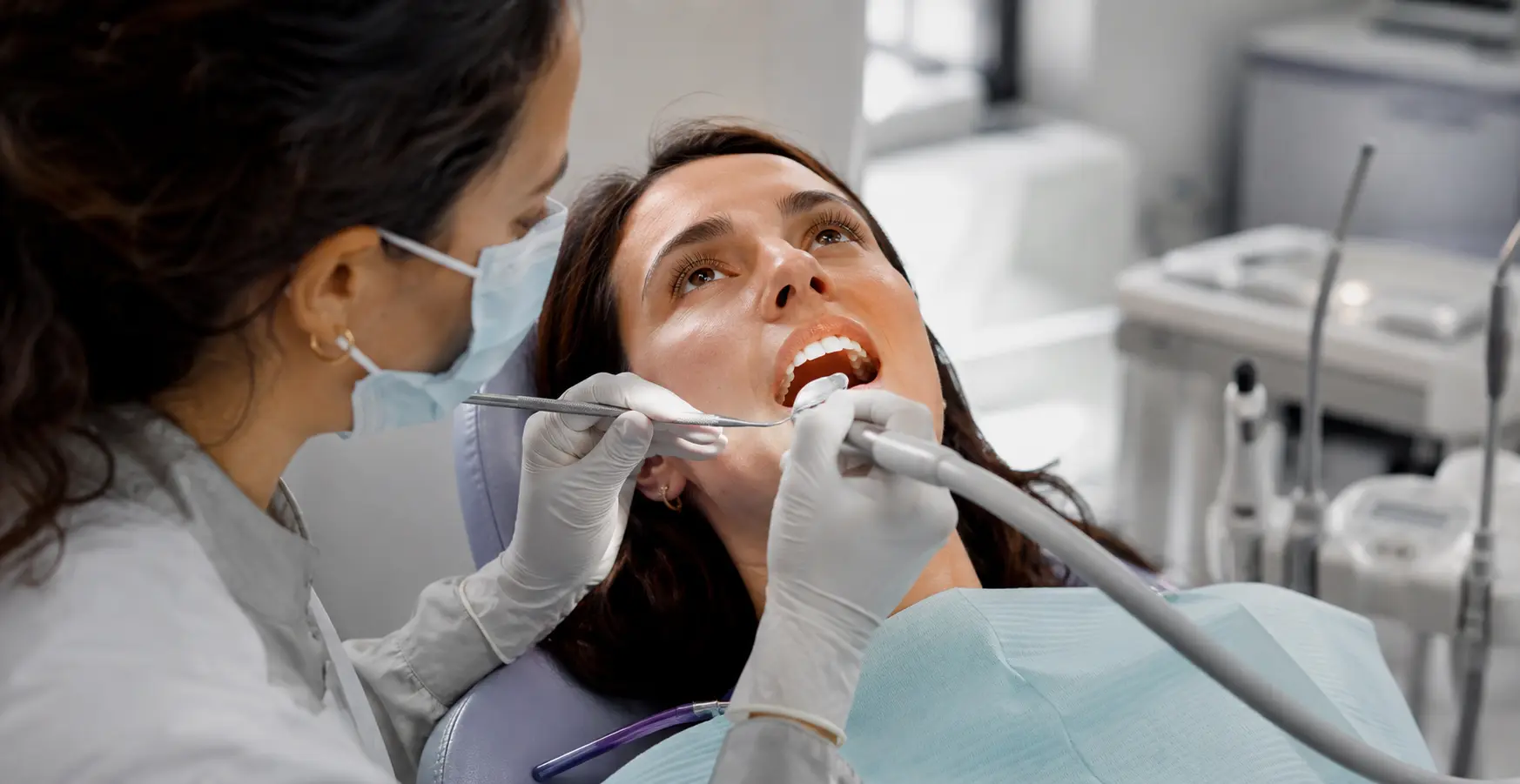
Walking into your appointment, your dentist will likely numb your gums with a topical anesthetic followed by a local injection to ensure comfort throughout the process. The procedure is usually broken into quadrants, meaning your dentist tackles one section of your mouth at a time, often scheduling multiple appointments to allow your gums to heal between sessions. You’ll hear the gentle whirring of the ultrasonic scaler as it vibrates away tartar buildup, followed by hand instruments that smooth the root surfaces. The entire appointment typically lasts 30 minutes to an hour per quadrant. Many women report feeling a sense of relief during the procedure, knowing that stubborn buildup is finally being removed. Your dentist may pause occasionally to check your comfort level and rinse away debris. Some practices offer nitrous oxide if you experience anxiety, making the experience even more manageable. You might notice slight bleeding during the procedure, which is completely normal given the inflammation already present in your gums.
📘 Fix your day in under 2 minuteschoose where to begin:
Post-procedure care tips
After your scaling and root planing appointment, your mouth enters a critical healing phase that typically lasts one to two weeks. Avoid hot foods and beverages for the first 24 hours, as your gums will be sensitive and inflamed. Stick to soft, cool foods like yogurt, smoothies, and mashed vegetables. Your dentist will likely recommend a special antimicrobial rinse to use several times daily, which helps prevent infection and promotes healing. Continue brushing gently with a soft-bristled toothbrush, being extra careful around treated areas. Flossing should resume after a few days, but do so gently to avoid disrupting the healing process. Some women experience mild discomfort or sensitivity to temperature for a few days, which usually resolves on its own. Avoid smoking and alcohol during the healing period, as both can slow recovery. If you experience excessive bleeding, severe pain, or signs of infection like pus or fever, contact your dentist immediately. Most importantly, maintain consistent oral hygiene habits moving forward to prevent the need for future deep cleanings.
Benefits of scaling and root planing
The benefits of scaling and root planing extend far beyond having cleaner teeth. This procedure directly addresses the root cause of gum disease, which is bacterial buildup beneath the gumline that your regular cleaning cannot reach. By removing this buildup, you’re essentially giving your immune system a fighting chance to heal your gums naturally. Women who undergo this procedure often report fresher breath, reduced gum bleeding, and less sensitivity within weeks. The long-term benefit is significant: you’re actively preventing tooth loss, which becomes increasingly important as we age. Gum disease is the leading cause of tooth loss in adults, and scaling and root planing is one of the most effective preventive measures available. Beyond oral health, emerging research suggests that treating gum disease may have positive effects on overall health, including cardiovascular function. For many women, this procedure represents a turning point where they finally feel in control of their oral health rather than watching it deteriorate. The procedure also reduces the depth of gum pockets, which means easier maintenance and lower risk of future infections.
Consultation and follow-up
Before committing to scaling and root planing, schedule a consultation with your dentist to discuss your specific situation and address any concerns. During this conversation, ask about the extent of your gum disease, how many quadrants need treatment, and what the timeline looks like. Your dentist should explain why they’re recommending this procedure based on your individual assessment, not just as a routine recommendation. Discuss cost and whether your insurance covers the procedure, as coverage varies significantly. After your treatment is complete, follow-up appointments are essential, typically scheduled four to six weeks post-procedure to assess healing and measure any reduction in gum pocket depth. These appointments help your dentist determine if additional treatment is needed or if your gums have responded well to the procedure. Many women find that committing to a regular maintenance schedule after scaling and root planing, usually every three to four months instead of the standard six months, helps prevent the problem from returning. Your dentist may also recommend more frequent professional cleanings combined with improved home care habits. This partnership between professional treatment and personal commitment is what makes scaling and root planing truly effective long-term.
Scaling and root planing is a highly effective procedure for maintaining oral health, preventing gum disease progression, and promoting healthier gums. It involves thorough cleaning of the teeth and roots to remove plaque and tartar buildup that regular brushing cannot reach, significantly reducing the risk of tooth loss and more severe gum issues. For women concerned about their gum health, this procedure represents a proactive investment in both oral and overall wellness.
Is scaling and root planing painful?
While scaling and root planing may cause some discomfort or pressure sensations, local anesthesia is routinely used to minimize pain during the procedure. Your dentist will ensure you are as comfortable as possible, and you can signal if you need a break. Most women report that any discomfort is manageable and worth the long-term benefits.
How often should scaling and root planing be done?
The frequency of scaling and root planing depends on your individual oral health needs and the severity of your gum disease. Your dentist will recommend a personalized schedule based on the condition of your gums and teeth, typically ranging from every three to four months for those with active gum disease to less frequently once your condition stabilizes.
Others also read:
Disclaimer: This article is for informational purposes only and is not a substitute for professional medical advice. Always consult a healthcare professional for personal guidance.
This guide has been prepared and reviewed by the GlobalHealthBeacon editorial team and reflects current medical research as of 2026. It provides structured, evidence-based information to support informed health decisions.
