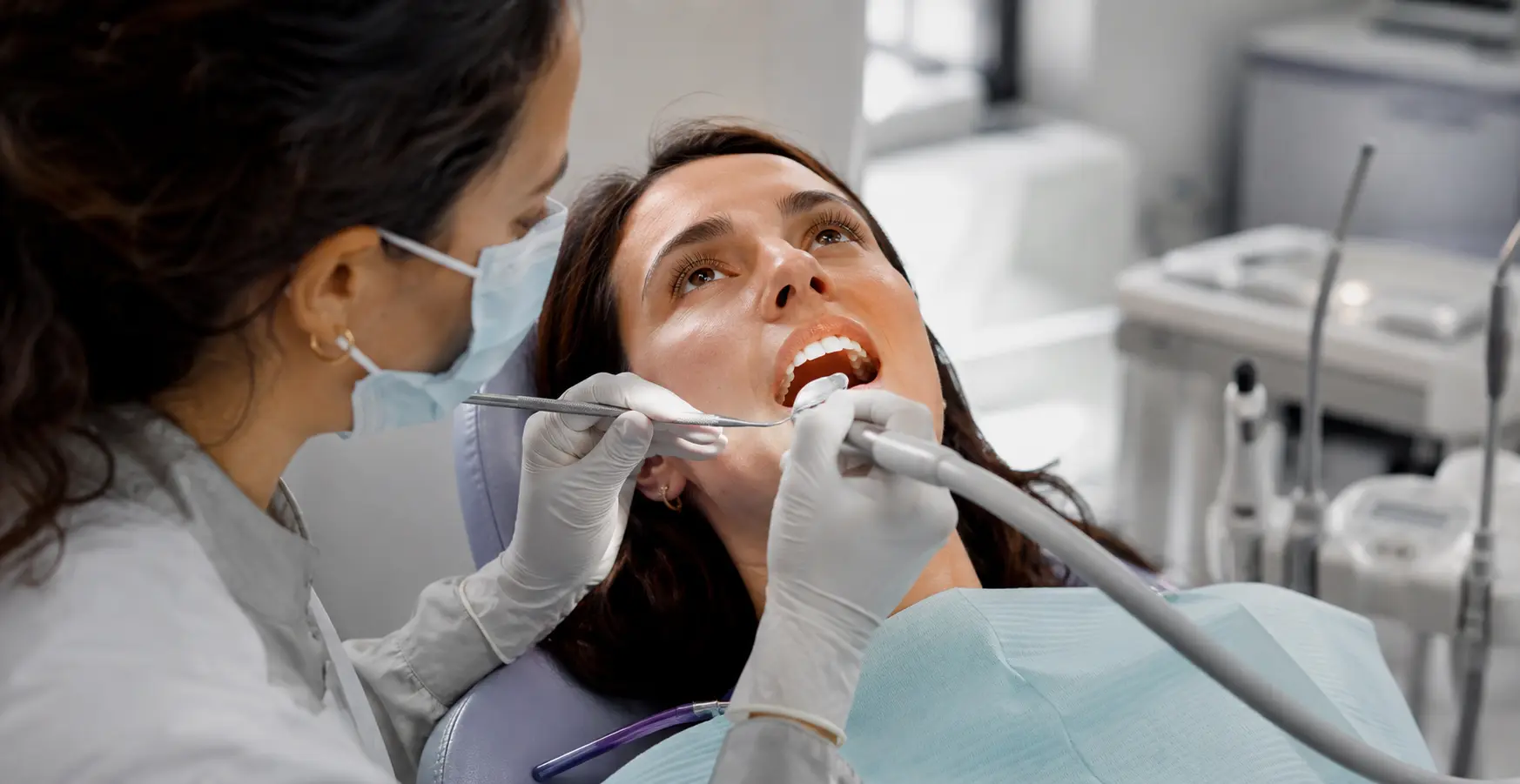
You’re tired of hiding your smile, avoiding photos, and feeling self-conscious about your teeth, so you’ve started researching full mouth dental implants as a real solution to reclaim your confidence and actually enjoy eating again.
Understanding full mouth implants
Full mouth dental implants are a comprehensive tooth replacement solution where all of your natural teeth are replaced with artificial ones that function and look like the real thing. Think of it this way: instead of dealing with individual missing teeth or a problematic denture that shifts around, you’re getting a complete restoration. The process involves surgically placing titanium posts into your jawbone, which then fuse with the bone over several months. Once that fusion is solid, custom-made crowns are attached to create a fully functional set of teeth. Young adults often choose this route because they want a permanent solution that doesn’t require the daily maintenance hassles of dentures or the limitations of partial implants. The timeline typically spans 6 to 12 months from initial consultation to final restoration, depending on bone density and healing speed. Understanding this upfront helps you mentally prepare for the investment of time and money ahead.
- Consult with a qualified dentist or oral surgeon to assess your bone density, overall health, and eligibility for full mouth implants.
- Discuss the different implant systems available, including all-on-4, all-on-6, and traditional full arch options to find what suits your anatomy and budget.
- Get a clear breakdown of timeline, total costs including bone grafts if needed, financing options, and the specific maintenance routine required post-placement.
Preparing for the procedure
Preparation is where many young adults stumble, but getting it right makes a massive difference in your recovery experience. Start by scheduling a comprehensive pre-operative evaluation that includes imaging, blood work, and a discussion of any medications you’re taking. Your dentist needs to know about everything from blood pressure medications to supplements because some can affect healing or interact with anesthesia. In the weeks leading up to surgery, focus on oral hygiene as if your life depends on it, because reducing bacteria in your mouth lowers infection risk. Some surgeons recommend quitting smoking at least two weeks before, since nicotine restricts blood flow and slows healing. Stock your home with soft foods like yogurt, smoothies, mashed potatoes, and soup before the surgery date. Arrange for someone to drive you home and ideally stay with you for the first 24 hours. Clear your work calendar for at least a week, longer if possible. Mentally, accept that swelling and discomfort are normal and temporary, not signs something went wrong.
📘 Fix your day in under 2 minuteschoose where to begin:
Recovery and aftercare
The first two weeks after surgery are critical and require strict adherence to your dentist’s instructions. Expect swelling to peak around day three, then gradually improve. You’ll be eating soft foods exclusively for the first month, which sounds limiting but becomes routine quickly. Ice packs for the first 48 hours reduce swelling significantly, then switch to heat if your dentist approves. Pain is typically manageable with prescribed medication, but contact your surgeon immediately if you experience severe pain that doesn’t respond to medication, as this could signal complications. Avoid rinsing, spitting forcefully, or using straws for at least a week because suction can disturb the surgical sites. Sleep with your head elevated on extra pillows to minimize swelling. Attend every follow-up appointment without exception, as your dentist monitors bone fusion and catches any issues early. Most young adults return to light activity after two weeks and normal exercise after four to six weeks, though your surgeon will give you specific clearance. The osseointegration process, where bone fuses to the implant, takes three to six months and happens silently beneath the surface.
Managing expectations
Full mouth implants are transformative, but they’re not magic, and managing your expectations prevents disappointment. Your new teeth will look natural and function like real teeth for eating and speaking, but they require genuine care and maintenance. Unlike natural teeth, implants don’t get cavities, but the bone and gums around them can still develop problems if neglected. Some young adults expect zero adjustment period, but there’s typically a learning curve for chewing and speaking as your mouth adapts to the new structure. Your bite might feel different initially, and your dentist may need to make minor adjustments over the first few months. Cost-wise, full mouth implants are a significant investment, typically ranging from 20,000 to 40,000 dollars depending on complexity and location, and most insurance doesn’t cover them. Understand that this is a long-term commitment, not a quick fix. The payoff comes in years of confidence, comfort, and functionality that make the initial sacrifice worthwhile. Realistic expectations mean you’ll be satisfied rather than disappointed when minor adjustments or temporary discomfort occur.
Maintaining oral health
Your implants will last decades if you treat them like the investment they are. Daily care involves brushing twice with a soft-bristled toothbrush, flossing around each implant using special implant floss or a water flosser, and rinsing with antimicrobial mouthwash. Unlike natural teeth, implants don’t have a periodontal ligament, so they’re more vulnerable to bone loss if plaque accumulates. Schedule professional cleanings every three to four months instead of the standard six, because your implants need more frequent professional attention. Avoid hard foods like nuts, hard candy, and ice that can damage the crowns, and be cautious with sticky foods that can stress the connections. If you grind your teeth at night, wear a night guard to protect your implants from excessive force. Smoking significantly increases implant failure risk, so if you haven’t quit already, now’s the time. Watch for warning signs like persistent swelling, bleeding, or a feeling that an implant is loose, and report these immediately to your dentist. Think of implant maintenance as brushing your teeth with intention and visiting your dentist with discipline. This routine effort ensures your smile stays strong and functional for life.
Full mouth dental implants offer young adults a permanent, confidence-boosting solution to tooth loss that restores both function and appearance. Success depends on understanding the process thoroughly, preparing your body and home properly, following recovery instructions precisely, maintaining realistic expectations throughout, and committing to lifelong oral care. Start with a consultation to assess your candidacy, then move forward with clear eyes and a solid action plan.
How long does the full mouth implant procedure take?
The entire process from initial consultation to final restoration typically takes 6 to 12 months. The actual surgical placement usually takes 2 to 4 hours depending on complexity, but the majority of time is spent waiting for osseointegration, the process where bone fuses to the implants. This fusion period is essential and cannot be rushed, though newer techniques sometimes reduce it to 3 to 4 months.
Are full mouth dental implants suitable for everyone?
Not everyone is an ideal candidate immediately, but most people can become candidates with preparation. Your dentist will evaluate bone density, overall health, oral hygiene habits, and commitment to maintenance. If you lack sufficient bone, grafting can build it up. Conditions like uncontrolled diabetes or active smoking require management first. The key question isn’t whether you’re suitable, but whether you’re ready to commit to the process and aftercare.
Others also read:
Disclaimer: This article is for informational purposes only and is not a substitute for professional medical advice. Always consult a healthcare professional for personal guidance.
This guide has been prepared and reviewed by the GlobalHealthBeacon editorial team and reflects current medical research as of 2026. It provides structured, evidence-based information to support informed health decisions.
