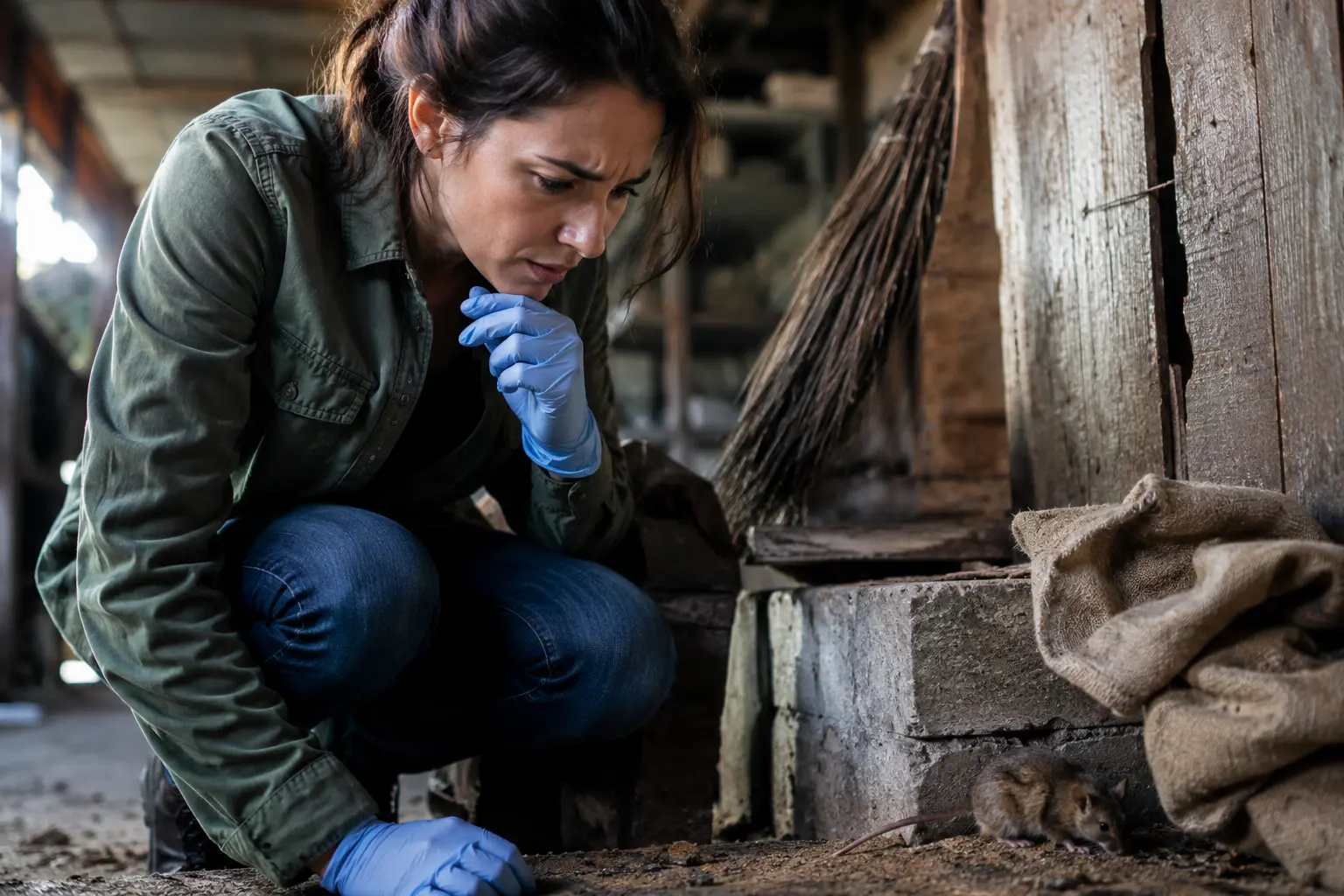
You’re cleaning out your garage or finding mouse droppings in your pantry and suddenly you’re spiraling about hantavirus, wondering if you’re already exposed, and hantavirus facts and myths are swirling in your head making everything feel worse than it probably is.
Understanding hantavirus
Hantavirus is a serious respiratory illness transmitted primarily through contact with infected rodents, particularly deer mice, white-footed mice, and rats. The virus spreads when you inhale particles from contaminated rodent droppings, urine, or saliva, or when these materials come into contact with broken skin or mucous membranes. Many women don’t realize the risk until they encounter rodent evidence in their homes, garages, or outdoor spaces. Early symptoms typically appear between one to eight weeks after exposure and include fever, muscle aches, fatigue, headaches, and chills that feel like a severe flu. As the illness progresses, it can develop into Hantavirus Pulmonary Syndrome (HPS), which causes shortness of breath, coughing, and fluid in the lungs. This progression can happen rapidly, sometimes within days. Understanding these details helps you recognize warning signs early and seek medical attention promptly if you suspect exposure.
- Rodents like mice and rats are the primary carriers of hantavirus
- Early symptoms include fever, muscle aches, and fatigue
- Hantavirus can lead to Hantavirus Pulmonary Syndrome (HPS) which can be life-threatening
Myths vs. facts
Misinformation about hantavirus spreads quickly and can cause unnecessary panic or dangerous complacency. One common myth is that you can catch hantavirus from another infected person through casual contact, handshakes, or sharing food. The reality is that person-to-person transmission is extremely rare and not a practical concern in daily life. Another widespread myth suggests that all rodents carry hantavirus, when in fact only specific species in certain regions carry the virus. Some people believe that simply being in a room with rodent droppings will infect you, but the actual risk depends on how fresh the droppings are, how much dust is disturbed, and whether you have direct contact. A dangerous myth is that you don’t need to worry about hantavirus in urban areas, yet cases have been documented in cities when rodent populations increase. Understanding these distinctions helps you respond proportionally to actual risks rather than imagined ones, allowing you to take sensible precautions without living in fear.
📘 Fix your day in under 2 minuteschoose where to begin:
Preventive measures
Effective hantavirus prevention starts with reducing rodent access to your living spaces and eliminating conditions that attract them. Seal cracks and gaps in your home’s exterior, including spaces around pipes, vents, and utility lines, using steel wool or caulk that rodents cannot chew through. Store food in airtight containers and clean up crumbs and spills immediately, as even small food sources encourage rodent activity. Remove potential nesting materials like piles of paper, cardboard, fabric scraps, and dense vegetation near your home’s foundation. Keep your yard trimmed, remove dead branches, and store firewood at least 100 feet away from your house. If you discover rodent activity, set traps or contact a professional pest control service rather than attempting removal yourself, which increases your exposure risk. When working in areas where rodents may be present, wear disposable gloves and an N95 mask to minimize inhalation of contaminated particles. These layered approaches work together to create an environment where rodents are less likely to establish themselves.
Cleaning tips
Proper cleaning of areas with potential rodent contamination requires specific techniques to avoid aerosolizing the virus. Never sweep or vacuum rodent droppings, as this kicks particles into the air and increases inhalation risk. Instead, spray the area with a disinfectant solution containing one part bleach to ten parts water and let it sit for five minutes to kill the virus. Wear disposable gloves and an N95 mask while cleaning, and dispose of contaminated materials in sealed plastic bags. For larger infestations, consider hiring professional pest control or biohazard cleanup services equipped with proper ventilation and protective equipment. When cleaning your kitchen, wipe down surfaces regularly with disinfectant, especially areas where food is prepared or stored. In your bedroom, wash bedding in hot water weekly if you live in an area with known hantavirus cases. Attics and basements require particular attention since rodents favor these spaces; inspect them monthly and clean promptly if you find evidence of activity. These deliberate cleaning practices eliminate the virus and reduce your household’s infection risk significantly.
Outdoor safety
Outdoor activities like hiking, camping, and gardening carry potential hantavirus exposure if you encounter rodent habitats or contaminated materials. Before camping, inspect your tent and sleeping area for rodent droppings or nesting materials, and store food in sealed containers away from your sleeping space. When hiking in areas with known rodent populations, stay on marked trails and avoid reaching into rock crevices, hollow logs, or dense brush where rodents nest. If you’re gardening or working in your yard, wear gloves and avoid stirring up dust in areas where rodents may have been active. Be cautious when opening sheds, cabins, or storage buildings that have been closed for extended periods; open doors and windows first to ventilate, then wait before entering. If you find a dead rodent, do not touch it directly; instead, spray it with disinfectant and contact local animal control for removal. Women who spend significant time outdoors, whether for work or recreation, should be particularly vigilant about these precautions. Simple awareness and protective habits allow you to enjoy outdoor spaces while minimizing your actual risk of exposure.
Hantavirus is a serious illness transmitted by rodents, but by understanding the disease, separating myths from facts, implementing preventive measures, practicing good cleaning habits, and being cautious outdoors, you can protect yourself effectively.
Can I get hantavirus from casual contact with an infected person?
No, hantavirus is mainly spread through contact with infected rodents and their droppings, urine, or saliva.
What should I do if I suspect hantavirus exposure?
Seek medical attention immediately if you experience symptoms like fever, muscle aches, and shortness of breath after potential hantavirus exposure.
Others also read:
Disclaimer: This article is for informational purposes only and is not a substitute for professional medical advice. Always consult a healthcare professional for personal guidance.
This guide has been prepared and reviewed by the GlobalHealthBeacon editorial team and reflects current medical research as of 2026. It provides structured, evidence-based information to support informed health decisions.
