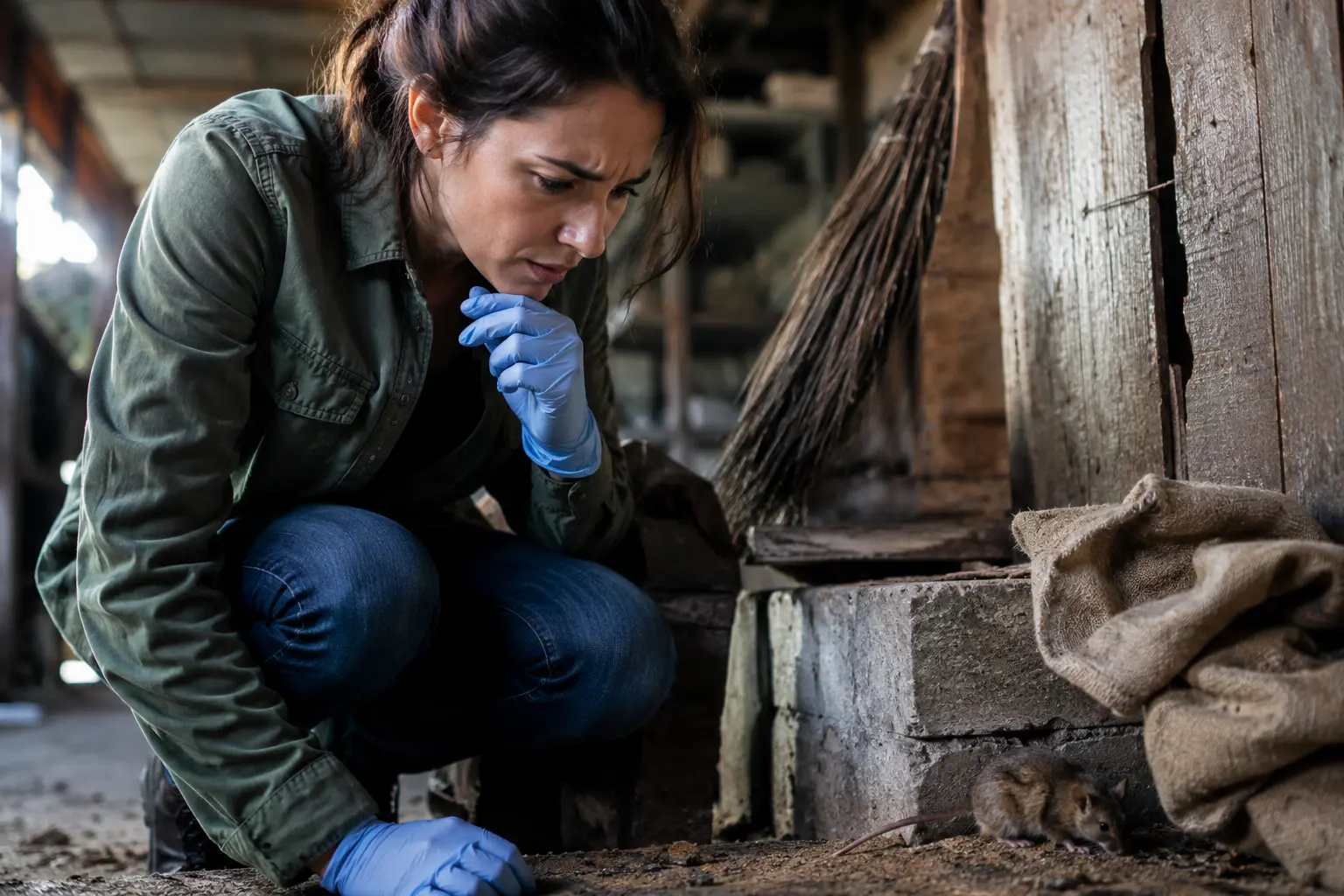
You’ve heard whispers about hantavirus, felt that creeping worry when you spot rodent droppings in the garage, and wondered what’s actually real versus internet scaremongering – let’s cut through the noise and separate hantavirus facts and myths so you can stop second-guessing yourself.
Understanding hantavirus transmission
Hantavirus spreads to humans primarily through direct contact with infected rodents or exposure to their biological materials, including urine, droppings, and saliva. The virus doesn’t float through the air like cold germs; instead, it enters your body when contaminated particles reach your respiratory system or mucous membranes. Picture this scenario: you’re cleaning out a storage shed and disturb a mouse nest without proper protection. As you sweep, dried droppings become airborne particles you inhale, or perhaps a small cut on your hand comes into contact with contaminated material. This is how transmission typically occurs. Different rodent species carry different hantavirus strains, with deer mice being primary carriers in North America. Understanding these specific transmission routes helps you identify genuine risk situations versus everyday encounters with rodents that pose no threat.
Signs and symptoms of hantavirus infection
Hantavirus infection develops in two distinct phases, and recognizing this progression matters for early intervention. Initially, you might experience flu-like symptoms: fever, muscle aches, fatigue, and sometimes headaches or chills. These early signs typically appear one to five weeks after exposure. Many women mistake this for seasonal flu and don’t connect it to potential rodent contact. The critical phase comes next, when some infections progress to hantavirus pulmonary syndrome, characterized by coughing, shortness of breath, and chest tightness. Consider Sarah’s experience: after cleaning her cabin, she developed what seemed like a stubborn cold. Two weeks later, she noticed increasing difficulty breathing during simple activities. Had she connected her symptoms to the rodent evidence she’d seen, earlier medical evaluation could have made a difference. The key is recognizing that if you’ve had potential rodent exposure and develop respiratory symptoms alongside initial flu-like illness, medical evaluation becomes urgent rather than optional.
Protective measures against hantavirus
Effective hantavirus prevention combines environmental control with personal safety practices. Start by making your living spaces less attractive to rodents: eliminate food sources, store pantry items in sealed containers, and remove clutter where rodents hide. Seal entry points systematically, checking for gaps around pipes, vents, and foundation cracks smaller than a quarter-inch. When you must clean areas with potential rodent contamination, preparation is everything. Ventilate the space first by opening windows for at least 30 minutes before starting. Wear an N95 or P100 mask fitted properly to your face, disposable gloves, and eye protection. Spray contaminated materials lightly with disinfectant before sweeping to prevent particles from becoming airborne. Never use a vacuum or compressed air, as these methods aerosolize virus particles. Double-bag all contaminated materials in sealed plastic bags. After cleanup, remove outer gloves carefully and wash your hands thoroughly. These steps transform a risky situation into a manageable one.
- Maintain cleanliness and remove food sources to deter rodent attraction to your home.
- Seal cracks, crevices, and gaps around pipes and vents to prevent rodent entry.
- Wear properly fitted N95 masks, gloves, and eye protection when handling potentially contaminated materials.
- Ventilate spaces for 30 minutes before cleaning rodent-affected areas.
- Spray contaminated materials lightly with disinfectant before cleaning to prevent aerosolization.
- Avoid vacuums and compressed air when cleaning, as these spread virus particles.
- Double-bag all contaminated materials in sealed plastic bags for safe disposal.
🔬 Science-backed benefits in 2 minuteschoose where to begin:
Dispelling hantavirus myths
Misinformation about hantavirus spreads quickly, often creating unnecessary panic or dangerous complacency. The most critical myth: hantavirus cannot spread between people. You cannot catch it from an infected family member, coworker, or healthcare worker. This means if someone develops hantavirus illness, standard household contact doesn’t pose transmission risk. Another widespread misconception involves vaccines. Currently, no vaccine exists to prevent hantavirus infection in the United States, though research continues internationally. Some women believe that all rodent contact equals hantavirus risk, when actually only specific species in certain regions carry the virus. Additionally, many assume hantavirus is common and widespread, when in reality confirmed cases remain relatively rare. Understanding these distinctions prevents both paralyzing fear and risky negligence. The evidence shows that informed caution, not anxiety, is the appropriate response.
Research and development in hantavirus studies
Scientific understanding of hantavirus continues evolving through ongoing research efforts. Researchers study how different rodent populations maintain and transmit various hantavirus strains, revealing that environmental factors and rodent behavior patterns influence infection risk. Recent investigations examine why some exposed individuals develop severe illness while others experience milder symptoms, pointing toward genetic and immune response differences. Clinical trials explore potential antiviral treatments and therapeutic approaches that might improve outcomes if administered early. International collaborations track hantavirus emergence in new geographic regions and monitor for strain mutations. Women’s health researchers specifically examine how pregnancy and hormonal factors might influence hantavirus susceptibility and disease progression, filling important knowledge gaps. These developments matter because they inform prevention strategies and treatment options. Staying informed about emerging research helps you understand evolving recommendations from health authorities and make evidence-based decisions about your own risk management.
Preventive strategies for women
Women face unique considerations in hantavirus prevention, from household management responsibilities to occupational exposures. If you manage your home’s maintenance, you’re more likely to encounter rodent situations requiring careful handling. Pregnant women should be particularly cautious about potential exposures, as pregnancy may influence disease severity. Women working in agriculture, wildlife management, or facility maintenance face occupational exposure risks requiring specific protective protocols. Develop a personal action plan: know your region’s rodent species and hantavirus presence, maintain your home’s rodent defenses proactively rather than reactively, and keep protective equipment accessible. If you suspect exposure, document the circumstances and seek medical evaluation promptly, informing your healthcare provider about the potential exposure timeline. Building this awareness transforms you from someone who reacts with fear to someone who manages risk intelligently. Your knowledge becomes your protection.
Understanding hantavirus transmission routes, recognizing infection symptoms, implementing protective measures, separating myths from facts, staying current with research developments, and adopting targeted preventive strategies empowers you to manage this health concern with informed confidence rather than unnecessary worry.
Can I get hantavirus from another person?
No, hantavirus is not transmitted between people. The primary transmission route is contact with infected rodents or their waste materials including urine, droppings, or saliva. You cannot catch hantavirus from family members, coworkers, or healthcare workers, even with close contact.
Are there vaccines available for hantavirus?
Currently, no vaccines specifically designed to protect against hantavirus infection are available in the United States. Prevention focuses on avoiding exposure to rodents and their habitats through environmental controls and personal protective measures when cleaning potentially contaminated areas.
Others also read:
Disclaimer: This article is for informational purposes only and is not a substitute for professional medical advice. Always consult a healthcare professional for personal guidance.
This article has been prepared and reviewed by the GlobalHealthBeacon editorial team and is based on current medical research and published scientific literature available in 2026. It provides structured, evidence-based information to support informed health decisions.
