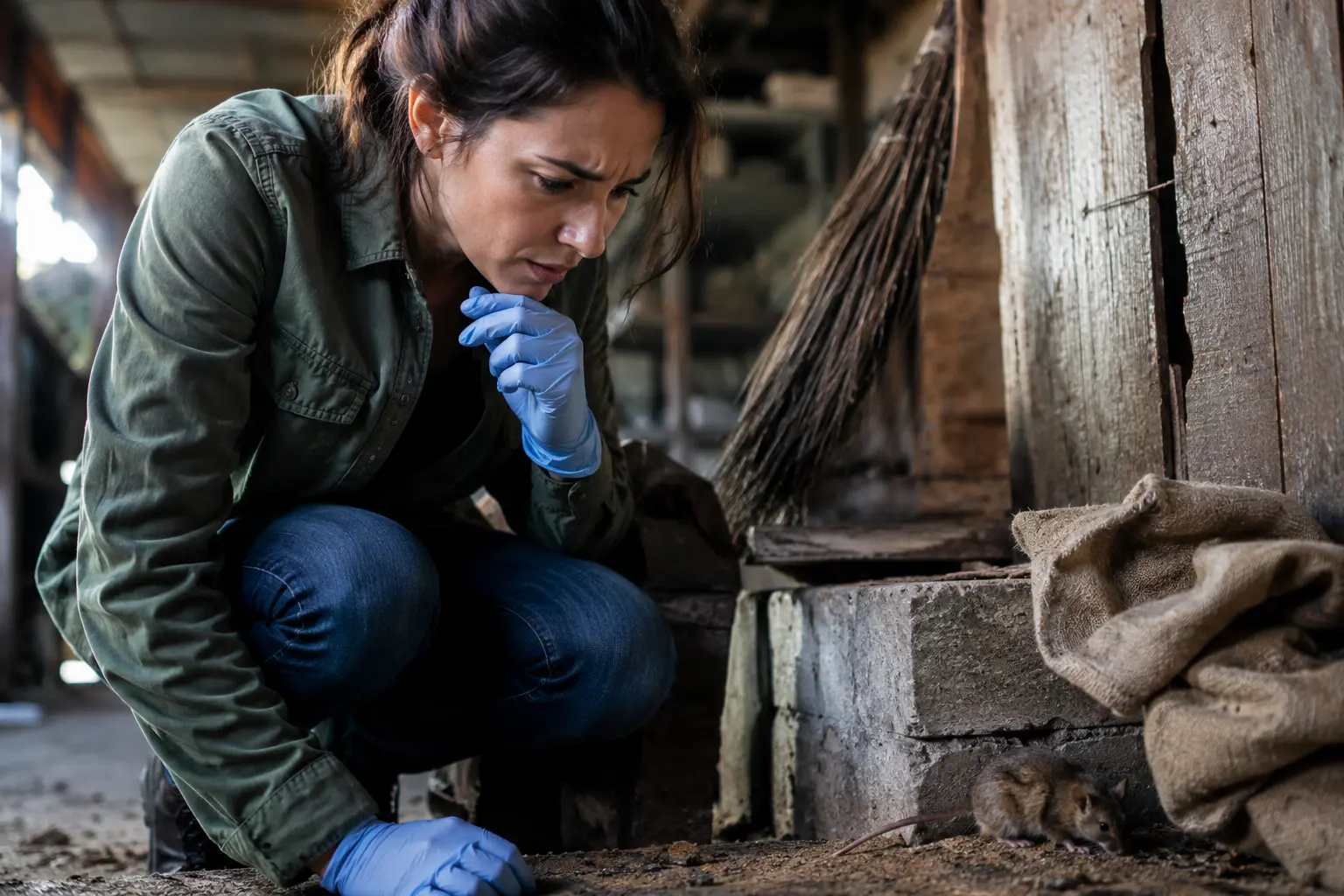
You’re feeling feverish and exhausted, your muscles ache, and you can’t shake the worry that something serious might be happening, so let’s cut through the confusion and get you the real hantavirus facts and myths that actually matter for protecting yourself.
Recognizing hantavirus symptoms
Knowing what hantavirus actually looks like when it hits is your first line of defense. The illness typically sneaks up on you over several days, starting with a fever that feels like a bad flu. You might notice your muscles aching intensely, similar to the soreness after a hard workout but more persistent and uncomfortable. Fatigue sets in quickly, making even simple tasks feel exhausting. Headaches and dizziness are common companions. The real warning sign that demands immediate attention is when breathing becomes difficult or you develop a persistent cough. Think of it like this: if you’ve been around rodent-infested areas and suddenly feel feverish with muscle pain that won’t quit, that’s your signal to get medical help fast. Many young adults mistake early hantavirus symptoms for regular flu, which delays treatment. Don’t make that mistake. If symptoms appear within one to eight weeks after potential rodent exposure, take it seriously.
- Fever is often the first symptom of hantavirus infection.
- Muscle aches and fatigue may follow, along with headaches and dizziness.
- Shortness of breath and coughing are serious symptoms that require immediate medical attention.
Preventing hantavirus exposure
Prevention comes down to making your living space inhospitable to rodents and protecting yourself when you encounter rodent waste. Start by sealing every crack, gap, and opening larger than a quarter around your home, especially near the foundation, windows, and pipes. Rodents can squeeze through surprisingly small spaces, so be thorough. Keep your living areas clean by vacuuming regularly and wiping down surfaces, but never sweep or vacuum rodent droppings directly as this can stir up dangerous particles. Instead, spray the area with a disinfectant, let it sit for five minutes, then wipe it up with paper towels. Store food in sealed containers and take out trash regularly. If you’re dealing with an active rodent problem, wear gloves and an N95 mask when cleaning. Consider traps rather than poison, which can leave dead rodents in hard-to-reach places. Young adults living in older apartments or rural areas face higher risk, so be extra vigilant. Think of prevention as creating an environment where rodents simply won’t thrive.
📘 Fix your day in under 2 minuteschoose where to begin:
Understanding hantavirus transmission
Hantavirus spreads through direct contact with infected rodents or their urine, droppings, or saliva. The virus doesn’t travel through the air unless you’re directly breathing in particles from contaminated rodent waste. This is important: you cannot catch hantavirus from another person, no matter how close you are. The real danger zone is when you’re cleaning out a shed, attic, or garage where rodents have been living. Picture this scenario: you find a pile of droppings in your basement, and without protection, you start cleaning it up. Dust particles containing the virus can enter your lungs, leading to infection. Rodents like deer mice, cotton rats, and rice rats carry the virus most commonly. If you hunt, camp, or work outdoors in areas with rodent populations, your exposure risk increases. Even handling a dead rodent with bare hands puts you at risk. The transmission pathway is clear: rodent waste to your respiratory system or open wounds. Understanding this chain helps you take the right precautions and avoid unnecessary panic about casual contact.
Seeking medical help
The moment you suspect hantavirus infection, medical attention becomes critical. Don’t wait to see if symptoms improve on their own. Early diagnosis and treatment can mean the difference between recovery and serious complications like respiratory failure. When you visit a doctor or emergency room, tell them about potential rodent exposure and your symptoms. Doctors can run specific tests to confirm hantavirus infection. Treatment focuses on supportive care: managing fever, maintaining oxygen levels, and monitoring kidney function. In severe cases, hospitalization may be necessary. Young adults sometimes underestimate how quickly hantavirus can progress, thinking they can tough it out at home. This is dangerous. If you’re experiencing shortness of breath, chest pain, or severe fatigue alongside fever and muscle aches, go to the ER immediately. Time matters significantly with this illness. Having a clear picture of your exposure history helps doctors make faster decisions. Keep track of where you’ve been and what environments you’ve been in over the past two months. This information could save your life.
Staying informed and educated
Reliable information is your shield against both the virus and misinformation. The CDC and your local health department are trustworthy sources for hantavirus facts. Follow their guidelines rather than relying on social media rumors or exaggerated claims. Many myths circulate about hantavirus: that it spreads person-to-person (false), that it’s everywhere (false), or that there’s a vaccine (there isn’t). Understanding the real facts helps you assess your actual risk level without unnecessary anxiety. Young adults in rural areas, those with outdoor hobbies, or people living in older buildings should educate themselves more thoroughly. Share accurate information with friends and family to prevent panic and ensure everyone takes appropriate precautions. Subscribe to health alerts from your local health department if you live in a high-risk area. Knowledge reduces both fear and carelessness. When you understand how hantavirus actually spreads and who’s truly at risk, you can take smart preventive steps without becoming paralyzed by worry.
Recognize symptoms early, prevent exposure, understand transmission, seek medical help promptly, and stay informed to protect yourself from hantavirus.
Can hantavirus be transmitted from person to person?
No, hantavirus is not transmitted from person to person. It is primarily spread through contact with infected rodents or their droppings.
Is there a vaccine for hantavirus?
Currently, there is no vaccine available for hantavirus. Prevention through cleanliness and avoiding contact with rodents is key.
Others also read:
Disclaimer: This article is for informational purposes only and is not a substitute for professional medical advice. Always consult a healthcare professional for personal guidance.
This guide has been prepared and reviewed by the GlobalHealthBeacon editorial team and reflects current medical research as of 2026. It provides structured, evidence-based information to support informed health decisions.
