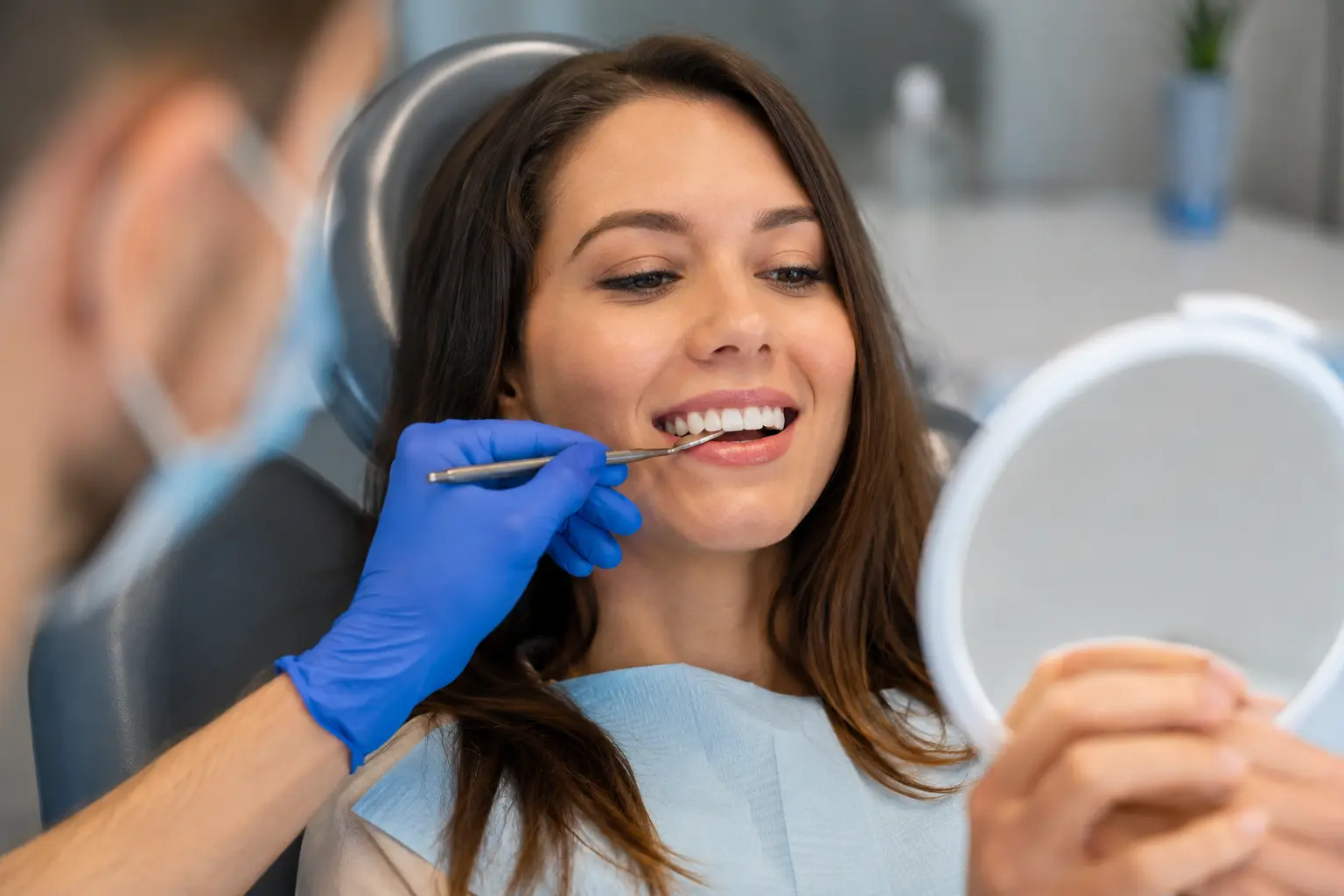
You catch your reflection and immediately think about that chipped tooth, the gap you’ve always hated, or the stains that won’t budge, but cosmetic dental bonding can fix all of it in a single afternoon without the pain, expense, or downtime of traditional procedures.
Understanding cosmetic dental bonding
Cosmetic dental bonding is a straightforward cosmetic procedure where your dentist applies a tooth-colored resin directly to your teeth to repair visible imperfections. Think of it like a skilled artist using a specialized putty to reshape and enhance your smile. The resin bonds to your tooth structure, creating a seamless blend that looks completely natural. Whether you’re dealing with a small chip from biting into something hard, a noticeable gap between your front teeth, stubborn discoloration that whitening alone won’t fix, or uneven tooth edges, bonding addresses all of these issues in one visit. Unlike veneers or crowns that require extensive tooth preparation and multiple appointments, bonding works quickly and preserves most of your natural tooth structure. Many women choose this option because it delivers visible results immediately without the commitment or cost of more invasive procedures.
- Quick and painless treatment
- Affordable compared to other cosmetic procedures
- Results last for several years
Benefits of cosmetic dental bonding
Beyond the obvious aesthetic improvement, cosmetic dental bonding offers several practical advantages that make it a smart choice for busy women. The resin actually strengthens weakened teeth by filling in chips and cracks, providing structural support that protects against further damage. Because the procedure is minimally invasive, you typically need no anesthesia unless your dentist is working near the nerve. The entire process usually takes 30 to 60 minutes per tooth, meaning you can schedule it during a lunch break and return to work the same day. There’s no recovery period, no sensitivity issues afterward, and no dietary restrictions. Your bonded teeth function exactly like natural teeth, so you can eat, drink, and smile without worry. The cost is significantly lower than alternatives like porcelain veneers or crowns, making it accessible for women at different budget levels. Plus, if you ever want to change your smile further down the road, bonding can be adjusted or replaced without damaging your underlying tooth.
📘 Fix your day in under 2 minuteschoose where to begin:
Preparing for cosmetic dental bonding
Preparation for bonding is refreshingly simple compared to other dental procedures. Schedule a consultation with your dentist to discuss exactly what you want to achieve. Bring photos of smiles you admire, or simply describe the changes you want. Your dentist will examine your teeth, assess the extent of damage or discoloration, and explain what bonding can realistically accomplish. This is the time to ask questions about longevity, maintenance, and whether bonding is the best option for your specific situation. In the week before your appointment, maintain excellent oral hygiene by brushing twice daily and flossing. Avoid foods and drinks that heavily stain teeth like red wine, coffee, and dark berries if possible, as this helps your dentist see the true color of your teeth. On the day of your appointment, arrive with clean teeth and no lipstick, which makes the process easier for your dentist. If you have anxiety about dental work, let your dentist know so they can take extra time to make you comfortable.
The cosmetic dental bonding process
Understanding what happens during bonding removes any mystery and helps you feel more confident walking into your appointment. Your dentist begins by selecting a resin shade that perfectly matches your natural tooth color, ensuring the result looks seamless. They then gently roughen the surface of the tooth using a special instrument, which helps the resin adhere properly. A conditioning liquid is applied to further prepare the surface. Your dentist then carefully applies the tooth-colored resin to the tooth, sculpting it layer by layer to achieve the exact shape and contour you discussed. They’ll step back frequently to check the alignment with your other teeth and your bite. Once the shape is perfect, a special blue light hardens the resin in seconds. Your dentist then polishes and refines the bonded area so it blends seamlessly with your natural tooth. The entire process is quiet, painless, and feels more like an artistic procedure than traditional dental work. You’ll see the transformation happen right before your eyes.
Caring for bonded teeth
Bonded teeth require the same care as your natural teeth, but with a few extra precautions to maximize their lifespan. Brush twice daily with a soft-bristled toothbrush and fluoride toothpaste, and floss daily to prevent decay around the bonded area. Avoid using your teeth as tools to open packages or bite your nails, as this can chip the resin. Be mindful of very hard foods like ice, hard candy, or nuts, which can damage bonding more easily than natural tooth enamel. If you grind your teeth at night, ask your dentist about a night guard to protect your bonded teeth. Limit staining foods and beverages like red wine, coffee, and dark sauces, or rinse your mouth with water after consuming them. Schedule dental check-ups every six months so your dentist can monitor the bonding and catch any issues early. If a bonded area does chip or wear, the good news is your dentist can simply repair or touch up the resin without replacing the entire bonding. With proper care, your bonded teeth will maintain their beautiful appearance for five to ten years or longer.
Cosmetic dental bonding is a fast, affordable, and effective solution for enhancing your smile. With minimal invasiveness and long-lasting results, this procedure can transform your teeth while providing added strength and protection.
Is cosmetic dental bonding painful?
No, cosmetic dental bonding is typically not painful as it is a minimally invasive procedure that usually requires no anesthesia.
How long does cosmetic dental bonding last?
The results of cosmetic dental bonding can last for several years with proper care and maintenance.
Others also read:
Disclaimer: This article is for informational purposes only and is not a substitute for professional medical advice. Always consult a healthcare professional for personal guidance.
This guide has been prepared and reviewed by the GlobalHealthBeacon editorial team and reflects current medical research as of 2026. It provides structured, evidence-based information to support informed health decisions.
