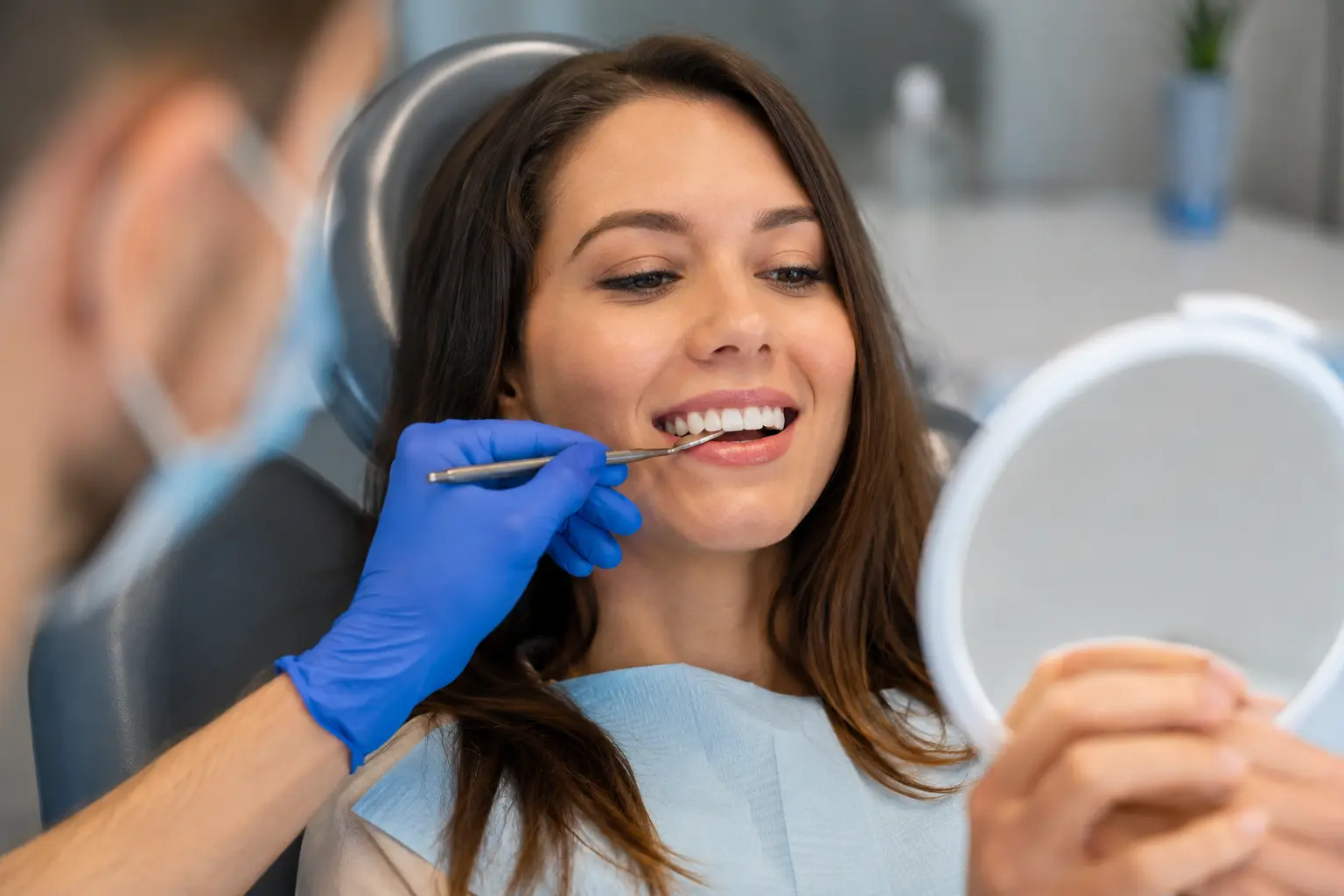
You catch your reflection and that chipped tooth or stubborn stain is all you see, but cosmetic dental bonding might be the straightforward solution you’ve been searching for.
Understanding cosmetic dental bonding
Cosmetic dental bonding is a procedure where a tooth-colored resin material is carefully applied to your tooth surface and hardened using a specialized ultraviolet light. Think of it as sculpting your smile back to how you want it to look. The resin bonds directly to your existing tooth structure, making it ideal for addressing chipped edges from that accidental bite into something hard, cracks from years of wear, stubborn discoloration that whitening alone won’t touch, or teeth that have an uneven or misshapen appearance. Unlike more invasive procedures, bonding works with what you already have rather than replacing or covering it entirely. A woman in her fifties might use bonding to repair a chip from a fall, while someone in her thirties might choose it to close a gap between her front teeth that’s always bothered her. The procedure is straightforward enough that many dentists can complete it in a single visit, making it accessible for busy schedules.
Benefits of cosmetic dental bonding
One of the most compelling advantages of cosmetic dental bonding is how minimally invasive it truly is. Unlike veneers, which require removing a thin layer of your natural tooth, or crowns, which involve significant tooth reduction, bonding preserves nearly all of your original tooth structure. This matters because your natural tooth is irreplaceable. The procedure is also remarkably quick, often taking just 30 to 60 minutes per tooth, which means you can fit it into a lunch break or afternoon appointment. Cost-wise, bonding typically runs a fraction of what veneers or crowns cost, making smile enhancement accessible without a major financial commitment. Many women appreciate that bonding offers immediate results without the waiting period of other treatments. There’s also a reversibility factor that some find reassuring, since the bonding material can be removed or adjusted if your preferences change. For those hesitant about permanent dental work, bonding provides a gentler entry point into cosmetic dentistry.
The cosmetic dental bonding process
The bonding process is methodical and designed to ensure the material adheres properly and looks natural. Your dentist begins by selecting a resin shade that matches your surrounding teeth as closely as possible, sometimes using a shade guide to compare options in natural light. The tooth surface is then lightly etched or roughened with a mild acid solution, creating microscopic texture that helps the bonding material grip securely. A conditioning liquid is applied next, further preparing the surface for adhesion. Your dentist then sculpts and molds the bonding resin directly onto your tooth, shaping it to blend seamlessly with your natural tooth contours and bite. This is where artistry meets science, as the dentist carefully contours the material to match your tooth’s natural shape and texture. Once the shape is perfected, a special ultraviolet light hardens the resin in seconds. The dentist may apply additional layers if needed to build up the tooth properly. Finally, the bonded area is polished and refined to match the shine and smoothness of your natural tooth surface, creating a result that looks indistinguishable from the rest of your smile.
- Consultation with your dentist to discuss your specific goals, concerns, and expectations for the bonding procedure.
- Tooth preparation through etching the surface with a mild acid solution and applying a bonding conditioning liquid to ensure proper adhesion.
- Resin application and sculpting by your dentist to match your natural tooth shape, color, and texture before hardening with ultraviolet light.
🔬 Science-backed benefits in 2 minuteschoose where to begin:
Longevity and care of bonded teeth
With proper care and maintenance, bonded teeth typically last between three to ten years, though some last longer depending on your habits and oral care routine. The lifespan depends largely on where the bonding is located and how much stress that tooth endures during chewing. Bonding on front teeth, which bear less chewing force, often lasts longer than bonding on molars. To extend the life of your bonding, avoid habits that stress the material, such as chewing ice, hard candy, or using your teeth to open packages. Be mindful of sticky foods that can pull at the edges of the bonding. Maintaining excellent oral hygiene is essential, brushing twice daily with a soft-bristled toothbrush and flossing gently around the bonded area. Some bonding materials can stain over time, particularly if you consume dark beverages like coffee, red wine, or tea, or if you smoke. Regular dental cleanings help keep the bonded surface looking fresh. If you notice chipping, rough edges, or color changes, contact your dentist promptly, as small repairs are often simpler and less expensive than waiting until significant damage occurs.
Who is a good candidate for cosmetic dental bonding
Cosmetic dental bonding works best for women with minor to moderate aesthetic concerns rather than extensive damage. If you have small chips, minor cracks, slight gaps between teeth, or areas of discoloration that don’t respond to whitening, bonding is often an excellent choice. It’s particularly suitable if you want to avoid the commitment of more invasive procedures or if you’re testing the waters of cosmetic dentistry for the first time. Women with good overall oral health and no active gum disease are ideal candidates, as bonding requires a healthy foundation. If you grind your teeth at night, your dentist might recommend a night guard to protect the bonding material from excessive wear. Those with very large gaps or significant tooth damage might benefit more from veneers or orthodontics, but your dentist can assess your specific situation. Age isn’t a barrier, whether you’re in your thirties addressing a childhood chip or in your sixties refreshing your smile. The key is having realistic expectations about what bonding can achieve and committing to the care it requires.
Cost considerations and insurance coverage
The cost of cosmetic dental bonding varies considerably based on your geographic location, your dentist’s experience level, and the extent of the work needed. In many areas, you might expect to pay anywhere from $100 to $400 per tooth, though some practices charge differently. Urban areas and highly experienced cosmetic dentists typically charge more than rural practices. Since bonding is classified as a cosmetic procedure in most cases, dental insurance rarely covers it unless it’s being used to fill a cavity or repair damage from an accident. However, some insurance plans do cover bonding if it’s deemed medically necessary, such as repairing a tooth that affects your bite or function. It’s worth calling your insurance provider before scheduling to understand your specific coverage. Many dental offices offer payment plans or financing options to make cosmetic work more accessible. Some practices bundle multiple teeth at a discount. Getting a detailed estimate in writing before your appointment helps you budget accurately and avoid surprises.
Cosmetic dental bonding offers women a practical, non-invasive approach to addressing minor smile imperfections like chips, cracks, gaps, and discoloration. The procedure is quick, affordable compared to other cosmetic options, and preserves your natural tooth structure. With proper care, attention to oral hygiene, and mindful habits, bonded teeth can provide years of improved appearance and confidence. Understanding the process, realistic expectations about longevity, and commitment to maintenance helps ensure you get the most from this accessible cosmetic solution.
Is cosmetic dental bonding a painful procedure?
Cosmetic dental bonding is generally painless and does not require anesthesia unless your dentist is filling a cavity or the tooth is sensitive. The procedure is minimally invasive, involving no drilling or removal of tooth structure in most cases. You may feel slight vibration or pressure during the etching and shaping process, but this is not painful. If you have dental anxiety or sensitive teeth, let your dentist know beforehand so they can take extra care to keep you comfortable throughout the appointment.
Can bonded teeth be whitened?
Bonded teeth do not respond to traditional teeth whitening treatments because the resin material doesn’t bleach like natural tooth enamel does. However, your dentist can improve the appearance by replacing the bonding material with a shade that matches your newly whitened natural teeth. This approach ensures your bonded teeth blend seamlessly with your whitened smile. If you’re considering whitening, discuss timing with your dentist, as it’s often best to whiten first, then apply or replace bonding to match the new shade.
Others also read:
Disclaimer: This article is for informational purposes only and is not a substitute for professional medical advice. Always consult a healthcare professional for personal guidance.
This article has been prepared and reviewed by the GlobalHealthBeacon editorial team and is based on current medical research and published scientific literature available in 2026. It provides structured, evidence-based information to support informed health decisions.
