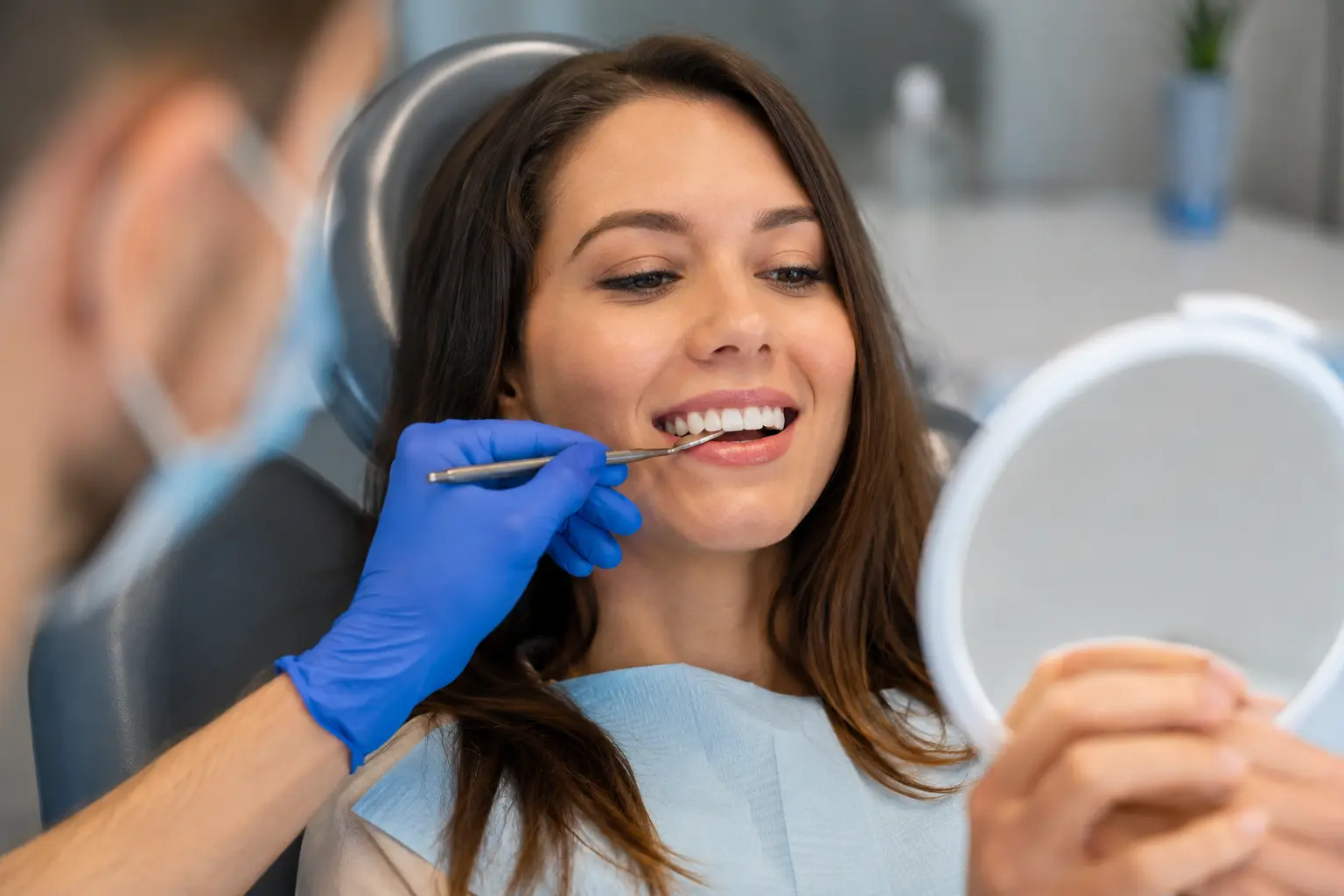
You catch your reflection and immediately notice that chipped tooth, or maybe it’s the slight discoloration that’s been bugging you for months, and you’re wondering if cosmetic dental bonding is actually the real deal or just another overhyped cosmetic procedure.
Understanding dental bonding: the basics
Dental bonding is a straightforward cosmetic procedure where dentists apply a tooth-colored composite resin directly to your teeth and harden it with a special light. Think of it like sculpting with putty, except the material bonds chemically to your tooth structure. The resin itself is a mixture of plastic and glass particles that mimics the natural translucency and color of real tooth enamel. When you’re sitting in the chair, your dentist carefully selects a shade that matches your surrounding teeth, then applies the resin in layers, sculpting it to blend seamlessly with your natural tooth contours. The light curing process triggers a chemical reaction that hardens the material, creating a durable bond. Unlike veneers or crowns that require significant tooth removal, bonding is minimally invasive, which is why many young adults find it appealing as a first step toward smile improvement.
Benefits of dental bonding
The versatility of dental bonding makes it genuinely useful for addressing multiple cosmetic concerns in one appointment. Whether you’re dealing with a chipped front tooth from a sports injury, a crack from biting down on something hard, or yellowing that doesn’t respond to whitening, bonding can tackle these issues. What makes it stand out compared to other procedures is the cost factor and the minimal preparation required. Your dentist doesn’t need to grind down healthy tooth structure like they would for a crown or veneer, which means you’re preserving more of your natural tooth. The procedure is also relatively quick, often completed in 30 to 60 minutes per tooth, making it perfect if you’re busy or anxious about lengthy dental work. Additionally, bonding is reversible in most cases, so if you decide you want something different down the road, your dentist can remove it without permanent damage to your underlying tooth.
The process of dental bonding
The bonding process follows a logical sequence that dentists have refined over decades. First, your dentist examines your tooth and selects the exact resin shade by holding color samples against your natural teeth in different lighting conditions, ensuring a perfect match. Next comes tooth preparation, where the surface is lightly roughened with a special tool to create microscopic grooves that help the resin grip better. Your dentist then applies a bonding agent, a thin liquid that acts like a primer, improving adhesion between the resin and your tooth. The composite resin is then carefully applied in layers, with your dentist sculpting and shaping each layer to match your tooth’s natural contours and anatomy. Between layers, the dentist uses the curing light to harden the material, allowing for precise control over the final shape. Once the resin is built up to the desired thickness and contour, your dentist polishes and smooths the surface, ensuring it feels comfortable when you bite and looks indistinguishable from your natural tooth. The entire process requires skill and artistic eye to achieve results that look natural rather than obviously artificial.
- Choose the resin shade that matches your natural teeth
- Prepare and roughen the tooth surface for better adhesion
- Apply bonding agent and composite resin in layers
- Cure each layer with a special hardening light
- Polish and smooth the final surface for a natural appearance
🔬 Science-backed benefits in 2 minuteschoose where to begin:
Durability and maintenance
Dental bonding is durable but not indestructible, and understanding its lifespan helps you set realistic expectations. With proper care, bonded teeth typically last between 4 to 8 years before needing touch-ups or replacement, though some last longer depending on your habits and oral hygiene. The composite resin can gradually wear down from daily chewing, especially if you grind your teeth at night or frequently chew on hard objects like ice or pen caps. Staining is another consideration, as the resin can absorb pigments from coffee, red wine, or tobacco over time, though it typically resists staining better than natural tooth enamel. To extend the life of your bonding, maintain excellent oral hygiene by brushing twice daily and flossing regularly, avoid biting on hard objects, and consider wearing a night guard if you grind your teeth. Regular dental checkups allow your dentist to catch any early wear or damage and perform minor repairs before they become major problems. Some dentists recommend periodic polishing to maintain the shine and smooth surface of the bonded area.
Potential risks of dental bonding
While bonding is generally safe, it does come with some considerations worth understanding before you commit. Sensitivity to temperature changes can occur temporarily after the procedure as your tooth adjusts, though this usually subsides within a few days. The resin itself can chip or crack if you bite down on something hard or experience trauma to your mouth, which is why it’s not ideal for back teeth that handle heavy chewing forces. Staining and discoloration happen gradually as the resin absorbs stains from food and beverages, creating a mismatch between your bonded tooth and the rest of your smile over time. There’s also a small risk of allergic reaction to the bonding materials, though this is rare. In some cases, if the bonding is not applied correctly or if there’s moisture contamination during the procedure, the bond may fail prematurely, requiring replacement. Additionally, bonding cannot be whitened like natural teeth, so if you later use whitening treatments, your bonded teeth may appear darker than your natural teeth, creating an aesthetic mismatch that requires replacement.
Cost considerations and comparison
Dental bonding is genuinely one of the most budget-friendly cosmetic dental options available, which explains its popularity among young adults managing student loans or building their careers. A single bonded tooth typically costs between 300 to 600 dollars, depending on your location and the complexity of the work, whereas porcelain veneers run 800 to 2000 dollars per tooth and crowns cost 1000 to 3000 dollars. This significant price difference makes bonding an accessible entry point if you’re curious about cosmetic dentistry but hesitant to invest heavily. The trade-off is longevity and durability, as bonding doesn’t last as long as veneers or crowns and may require more frequent maintenance and replacement. Some dental insurance plans cover bonding if it’s done for functional reasons like repairing a chipped tooth, though purely cosmetic bonding is usually not covered. When comparing options, consider not just the initial cost but also the long-term investment, your lifestyle and habits, and how long you want the results to last before deciding which procedure makes sense for your situation.
Dental bonding is a scientifically supported cosmetic procedure that offers a practical, affordable solution for various smile concerns. The process involves applying and hardening tooth-colored resin directly to your teeth, and with proper understanding of how it works, its benefits, maintenance requirements, and potential limitations, you can make an informed decision about whether it’s right for you. While it’s not a permanent solution and requires periodic maintenance, bonding provides genuine value for young adults looking to improve their smile without extensive tooth preparation or significant financial investment.
How long does dental bonding last?
With proper care and maintenance, dental bonding typically lasts between 4 to 8 years before needing replacement or touch-ups. The lifespan depends on your oral hygiene habits, whether you grind your teeth, and how much stress you place on the bonded tooth through chewing or biting on hard objects.
Is dental bonding a permanent solution?
Dental bonding is a long-lasting but not permanent solution. The composite resin gradually wears down and can stain or chip over time, requiring periodic replacement or repair. Unlike some other cosmetic procedures, bonding is also reversible, meaning your dentist can remove it if you decide to explore other options.
Others also read:
Disclaimer: This article is for informational purposes only and is not a substitute for professional medical advice. Always consult a healthcare professional for personal guidance.
This article has been prepared and reviewed by the GlobalHealthBeacon editorial team and is based on current medical research and published scientific literature available in 2026. It provides structured, evidence-based information to support informed health decisions.
