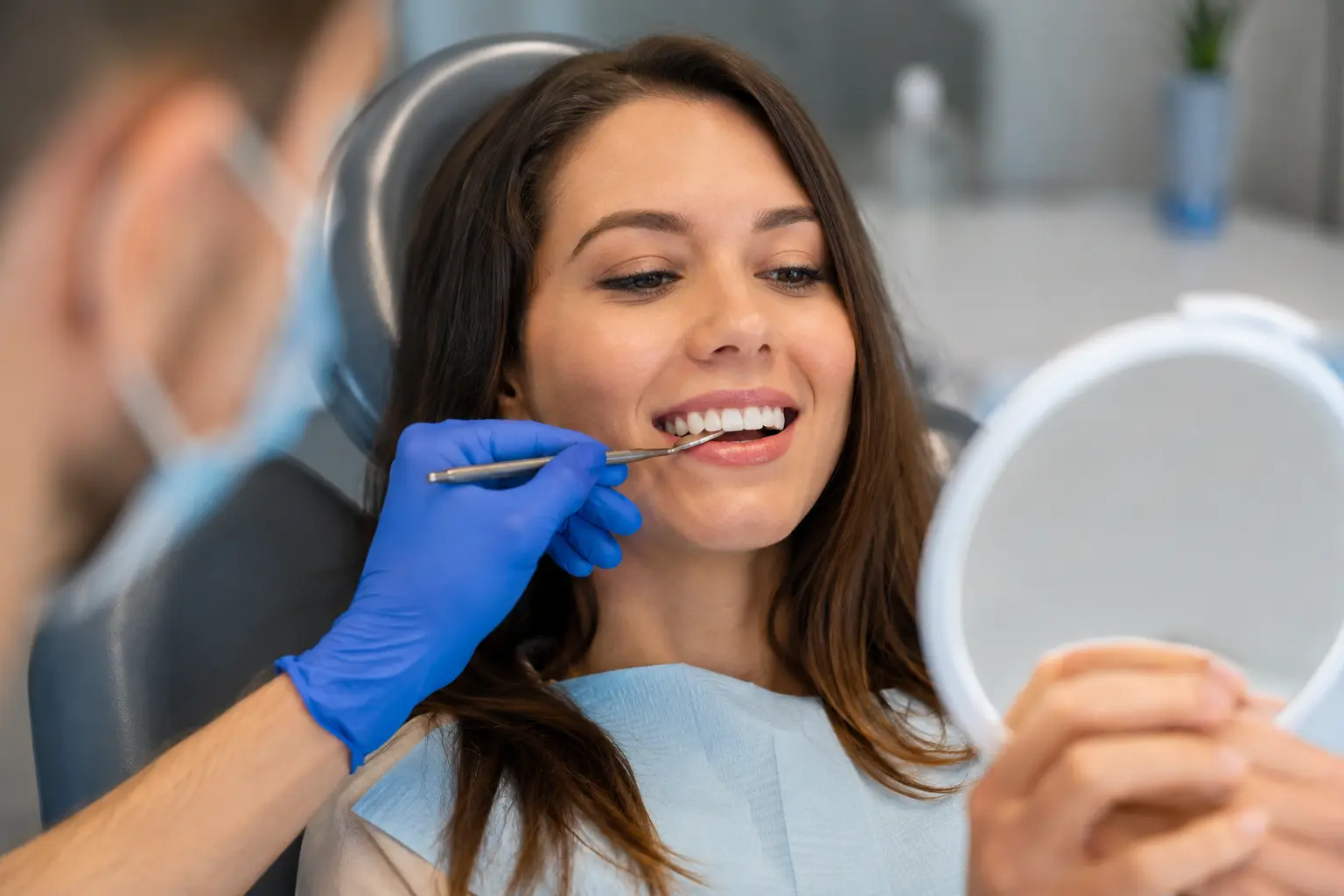
That chipped tooth has stolen enough of your smiles, and cosmetic dental bonding might be the quiet confidence boost you’ve been searching for without the dental chair drama.
Understanding cosmetic dental bonding
Cosmetic dental bonding is a procedure where a tooth-colored resin material is applied directly to your teeth to improve their appearance, and honestly, it’s one of the most straightforward cosmetic solutions available. Think of it like filling in the gaps or smoothing out the rough edges that have been bothering you for years. Whether you’re dealing with a chipped tooth from that accident, small gaps between your front teeth, or discoloration that won’t budge with whitening, bonding addresses these issues without invasive surgery. The resin gets sculpted and hardened with a special light, creating a seamless blend with your natural tooth. Many women find comfort knowing they can walk in with visible imperfections and walk out with a smile they actually want to show off. It’s customizable to match your exact tooth shade, non-invasive compared to veneers or crowns, and relatively affordable, making it accessible for those of us who want results without breaking the bank.
- Seamless repair of minor imperfections like chips, cracks, and gaps
- Non-invasive and significantly more affordable than veneers, crowns, or implants
- Customizable color matching that blends naturally with your existing teeth
The experience of getting dental bonding
Walking into the dentist’s office, you might feel a mix of anticipation and nervousness, wondering what the actual process will feel like. Here’s what actually happens: your dentist will clean and prepare the tooth surface, apply a bonding agent, then carefully layer the tooth-colored resin onto your tooth. The entire appointment usually takes 30 to 60 minutes depending on how many teeth need bonding. The best part? It’s painless. Most women are surprised by how comfortable the experience is, especially if they’ve been dreading it. You won’t need numbing unless the bonding extends below the gum line. Your dentist will shape and mold the resin to match your natural tooth contour, then harden it with a special blue light. You’ll leave the chair feeling like a new version of yourself, often catching your reflection multiple times because you can’t quite believe the difference. It’s that immediate transformation that makes the experience so rewarding.
💬 Ready to feel better in 2 minutes?choose where to begin:
Life after dental bonding
The magic of cosmetic dental bonding reveals itself in the days and weeks following your appointment. You stop catching your reflection and immediately looking away. Instead, you find yourself smiling more freely in photos, during conversations, and even when you’re alone. Women report a noticeable shift in their daily interactions, from feeling self-conscious about their teeth to actually enjoying social situations without that nagging worry. You’ll notice yourself laughing without covering your mouth, taking pictures without angling your face, and speaking with more confidence. Some women describe it as reclaiming a part of themselves they’d tucked away. The bonding becomes invisible to you after a while, which is exactly the point. It’s not about drawing attention to your teeth; it’s about removing the barrier that was keeping you from fully showing up in your own life. That newfound ease ripples into other areas, affecting how you present yourself professionally and personally.
Maintaining your dental bonding
Your bonding isn’t indestructible, but with proper care it can last anywhere from 5 to 10 years, sometimes even longer. The key is treating it like your natural teeth, maybe even with a bit more caution. Avoid biting hard objects like ice, hard candy, or using your teeth to open packages, because resin isn’t as durable as natural tooth enamel. Practice good oral hygiene by brushing twice daily with a non-abrasive toothpaste and flossing gently around the bonded area. Skip the aggressive whitening treatments since bonding material doesn’t respond to bleaching agents the way natural teeth do. Visit your dentist regularly for check-ups and cleanings, ideally every six months, so they can monitor the bonding’s condition and catch any wear early. If you grind your teeth at night, talk to your dentist about a night guard to protect your bonding. Common mistakes include aggressive brushing, smoking, or consuming dark staining drinks without rinsing afterward. With these simple habits, your bonding stays looking fresh and maintains that confidence boost you’ve worked for.
Cosmetic dental bonding offers a transformative experience for women looking to enhance their smiles. From understanding the procedure to life after bonding, the journey is filled with moments of newfound confidence and self-assurance. With proper care, the effects of dental bonding can be long-lasting and impactful.
Is dental bonding permanent?
Dental bonding is not permanent but can last up to 10 years with proper care.
Does dental bonding hurt?
No, the dental bonding procedure is painless and typically does not require anesthesia.
Others also read:
Disclaimer: This article is for informational purposes only and is not a substitute for professional medical advice. Always consult a healthcare professional for personal guidance.
This article presents an experience-based perspective and has been reviewed by the GlobalHealthBeacon editorial team in 2026. It provides structured, evidence-based information to support informed health decisions.
