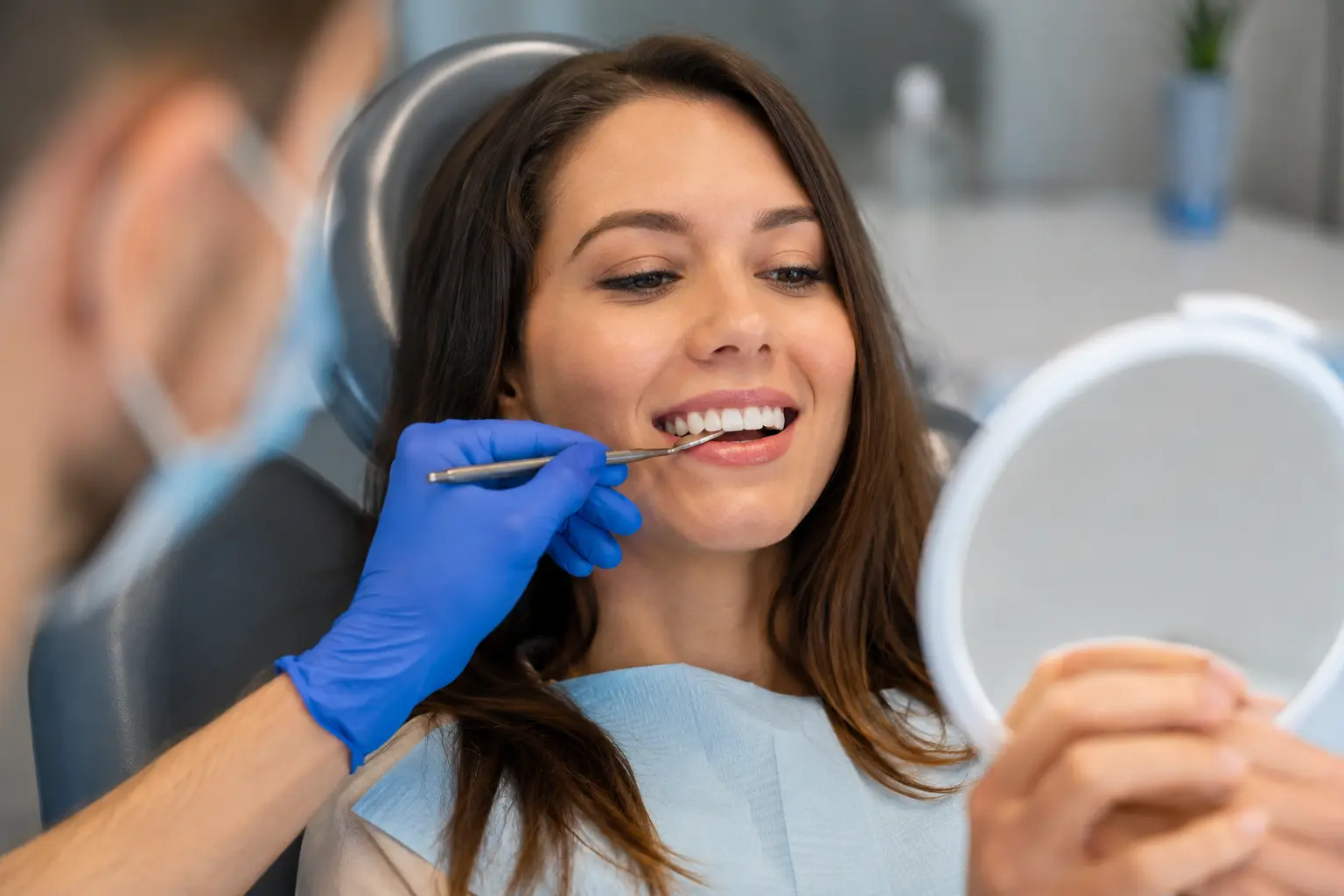
Tired of hiding your smile because of a chipped tooth, stubborn stain, or gap that makes you feel self-conscious? Cosmetic dental bonding might be the quick fix you’ve been looking for, and it’s way more affordable than you think.
Understanding cosmetic dental bonding
Cosmetic dental bonding is a straightforward cosmetic procedure where your dentist applies a tooth-colored resin directly to your teeth to improve their appearance. Think of it as a dental makeover that doesn’t require extensive work or downtime. The resin is carefully shaped and hardened with a special light, creating a natural-looking restoration that blends seamlessly with your existing teeth. For seniors, this procedure addresses common concerns like chipped edges from years of wear, discoloration that whitening alone can’t fix, small gaps between teeth, or slight misalignment. Unlike veneers or crowns, bonding preserves most of your natural tooth structure. The entire process typically takes 30 to 60 minutes per tooth, meaning you can walk in and walk out with visible results the same day. Many seniors appreciate that bonding requires minimal preparation and no temporary solutions to manage while waiting for permanent work.
- Affordable compared to other cosmetic dental procedures
- Requires minimal enamel removal
- Can be completed in a single visit
Pros and cons of dental bonding
Dental bonding offers real advantages for seniors seeking cosmetic improvements without major commitment. The cost is typically one-third to one-half the price of veneers, making it accessible for those on fixed incomes. Recovery is immediate, and you can eat and drink normally right after the appointment. However, bonding has limitations worth considering. The resin material is less stain-resistant than your natural teeth, so coffee, tea, and red wine can discolor it over time. It’s also not as durable as veneers or crowns, typically lasting 5 to 10 years depending on your bite force and oral habits. If you grind your teeth at night or chew ice, bonding may chip or wear faster. For larger repairs or multiple teeth, bonding may require touch-ups more frequently than other options. Some seniors find this acceptable for minor cosmetic fixes but prefer more permanent solutions for structural damage. Your dentist can help you weigh whether bonding fits your lifestyle and expectations.
📘 Fix your day in under 2 minuteschoose where to begin:
Preparing for dental bonding
Preparation for dental bonding is refreshingly simple, which appeals to many seniors who prefer straightforward dental visits. Your dentist will first examine your teeth and discuss your goals, showing you exactly what the final result will look like using shade guides and sometimes digital imaging. They’ll select a resin color that matches your natural teeth perfectly, ensuring the bonded area blends invisibly with the rest of your smile. If bonding is being used for a cavity or structural repair, local anesthesia may be applied, but for purely cosmetic bonding, numbing is usually unnecessary since no drilling or enamel removal occurs. Your dentist will gently roughen the tooth surface with a mild acid solution to help the resin adhere properly. This step takes just seconds and causes no discomfort. The entire preparation phase is painless and straightforward, with no special pre-appointment instructions required. You can eat normally beforehand and return to your routine immediately after.
Recovery and aftercare
One of the biggest advantages of dental bonding for seniors is the complete absence of recovery time. You can resume eating, drinking, and your normal activities immediately after leaving the dentist’s office. However, a few practical precautions will protect your investment and extend the life of your bonding. Avoid biting down on hard objects like ice, hard candy, or pen caps, as the resin can chip or crack under excessive force. If you have a habit of chewing ice, this is the time to break it. For the first 24 hours, some dentists recommend avoiding dark-colored foods and beverages like coffee, red wine, and berries, as the resin sets fully during this period and is slightly more susceptible to staining. After that, normal consumption is fine, though limiting staining foods and drinks will keep your bonding looking bright longer. Maintain excellent oral hygiene by brushing twice daily with a soft-bristled toothbrush and flossing daily. Regular dental check-ups every six months allow your dentist to monitor the bonding and address any minor wear before it becomes a problem.
Long-term impact of dental bonding
Dental bonding can last anywhere from 5 to 10 years with proper care, though some seniors report their bonding lasting longer if they’re gentle with their teeth and maintain excellent oral hygiene. The longevity depends heavily on your individual habits, bite force, and how well you follow aftercare guidelines. Over time, you may notice the bonded area becoming slightly less glossy or developing minor wear at the edges where the resin meets your natural tooth. This doesn’t mean the bonding has failed, but rather that it may benefit from a touch-up or polish during your regular dental visit. Some seniors choose to have their bonding refreshed every 5 to 7 years as part of their routine dental maintenance, similar to how they might get a professional cleaning. The good news is that touch-ups are quick and affordable compared to the original procedure. Before committing to bonding, discuss with your dentist whether it’s the right long-term solution for your specific dental needs, your bite pattern, and your lifestyle. For some seniors, bonding is perfect for minor cosmetic fixes, while others may benefit from exploring more durable options like veneers or crowns for larger or more visible repairs.
Cosmetic dental bonding offers a quick, affordable solution for smile enhancement, with minimal enamel removal and the ability to fix various cosmetic issues. While it is not as durable as veneers, it is a practical option for small repairs and smile transformations.
Is dental bonding painful?
Dental bonding is typically painless, and local anesthesia is rarely required unless used to fill a cavity. The process is straightforward and comfortable for most patients.
How long does dental bonding last?
With proper care, dental bonding can last several years. However, it may require touch-ups or replacements over time, depending on individual oral habits and maintenance.
Others also read:
Disclaimer: This article is for informational purposes only and is not a substitute for professional medical advice. Always consult a healthcare professional for personal guidance.
This guide has been prepared and reviewed by the GlobalHealthBeacon editorial team and reflects current medical research as of 2026. It provides structured, evidence-based information to support informed health decisions.
