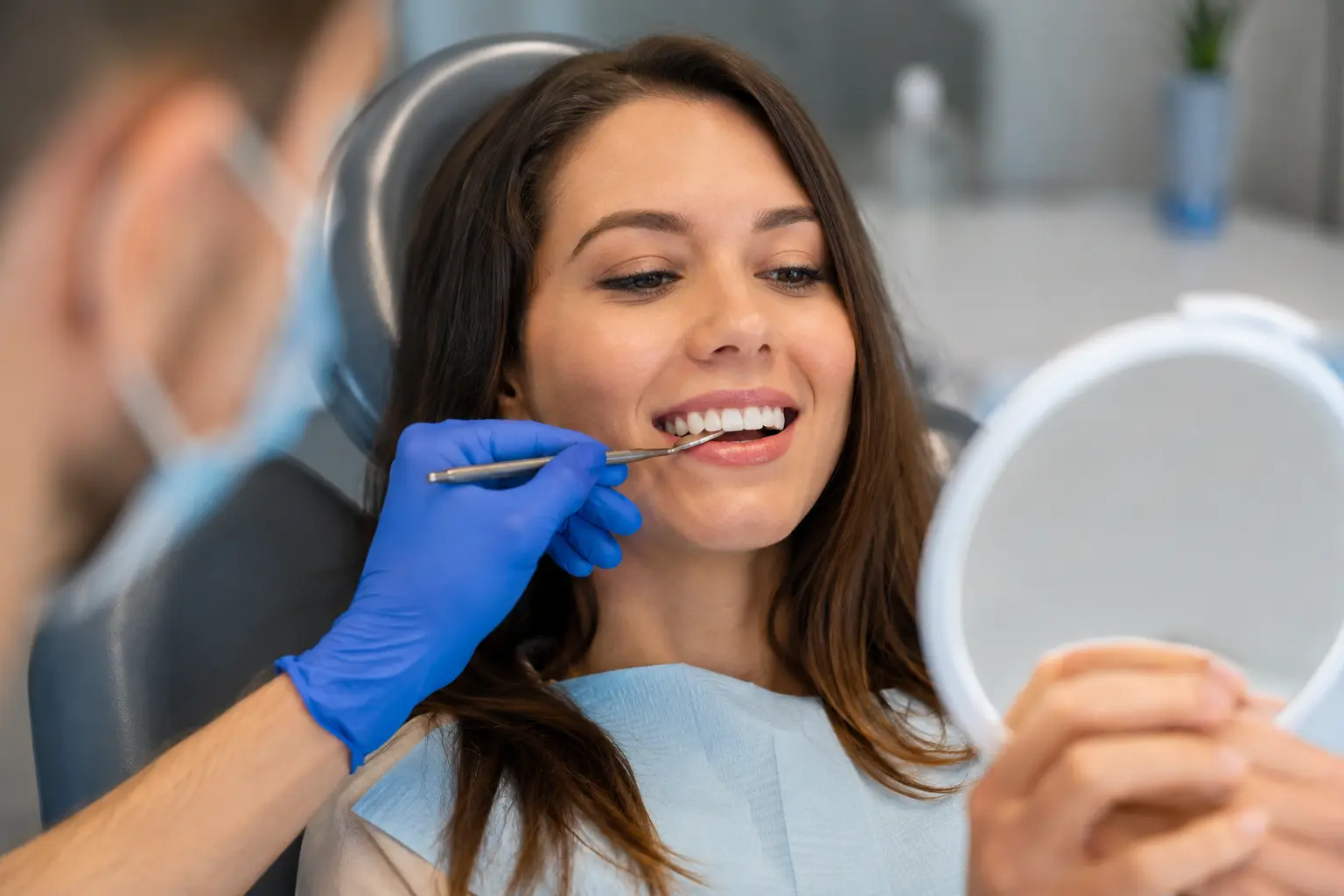
You catch your reflection and wince at that chipped tooth, the stubborn stain that won’t budge, and suddenly you’re avoiding photos and smiling with your mouth closed, but cosmetic dental bonding promises to change all that in just one visit.
Understanding cosmetic dental bonding
Cosmetic dental bonding is essentially a tooth-colored resin that gets carefully applied to your teeth to fix chips, cracks, and discoloration. Think of it as a makeover for your smile without the hassle of crowns or veneers. The dentist shapes and polishes the resin right there in the chair, and you walk out with a noticeably improved smile. For seniors, this procedure feels like a breath of fresh air because it avoids invasive dental work. Picture yourself sitting in the chair, watching your dentist blend that resin to match your natural tooth color perfectly. It’s straightforward, it’s fast, and it actually works. Many seniors find themselves amazed at how a simple procedure can restore the confidence they thought they’d lost years ago.
- Quick and painless procedure
- Affordable compared to other cosmetic treatments
- Can be completed in a single visit
Pros and cons of long-term bonding
Here’s where the real conversation happens. Yes, cosmetic dental bonding delivers immediate results that feel genuinely transformative. But here’s what you need to know before you commit. The bonding material can stain over time, especially if you’re someone who enjoys coffee, red wine, or tea. Unlike your natural teeth, bonded teeth don’t respond to whitening treatments, so that stain becomes permanent unless you replace the bonding. The material is also more fragile than your natural tooth structure. Bite down on a hard candy or ice, and you might chip it. Seniors who smoke or grind their teeth at night often see their bonding wear faster. It’s not a lifetime solution, but rather a smart intermediate option that typically lasts five to ten years with proper care.
💬 Ready to feel better in 2 minutes?choose where to begin:
Maintaining bonded teeth
Keeping your bonded teeth in top shape requires some intentional habits, but nothing overwhelming. Brush gently with a soft-bristled toothbrush and avoid abrasive toothpastes that can scratch the resin. Floss daily to prevent decay around the bonded area. Here’s the practical part: skip the hard candies, ice, and popcorn kernels that can crack the bonding. If you’re a coffee drinker, consider using a straw to minimize staining. Smokers should know that tobacco accelerates discoloration, so this might be a good moment to reconsider that habit. Many seniors find it helpful to schedule a quick touch-up appointment every couple of years, just like you’d get your car detailed. Your dentist can polish away minor stains and check for any wear. It’s preventive care that keeps your smile looking fresh without major intervention.
Evaluating long-term success
Success with cosmetic dental bonding really comes down to realistic expectations and consistent follow-up. Schedule dental check-ups every six months so your dentist can catch any early signs of wear or staining before they become noticeable. During these visits, ask your dentist specifically about the condition of your bonding. Are there any hairline cracks forming? Is the color holding up? This conversation helps you stay ahead of problems. Many seniors report that their bonding looks great for seven to eight years with good habits, while others see it fade faster depending on their lifestyle. The key is understanding that bonding isn’t a set-it-and-forget-it solution. It’s more like an investment that requires ongoing attention. When you do eventually need a replacement, you’ll know exactly what to expect because you’ve lived with it.
Cosmetic dental bonding offers seniors a convenient and affordable way to enhance their smiles. While the procedure provides immediate results, it is essential to weigh the pros and cons and follow proper maintenance to ensure long-term success.
Is cosmetic dental bonding permanent?
Cosmetic dental bonding is not permanent and may require touch-ups or replacements over time, depending on individual oral health habits and maintenance.
Can bonded teeth be whitened?
Bonded teeth do not respond to whitening treatments like natural teeth. If discoloration occurs, the bonding material may need to be replaced to restore the desired aesthetics.
Others also read:
Disclaimer: This article is for informational purposes only and is not a substitute for professional medical advice. Always consult a healthcare professional for personal guidance.
This article presents an experience-based perspective and has been reviewed by the GlobalHealthBeacon editorial team in 2026. It provides structured, evidence-based information to support informed health decisions.
