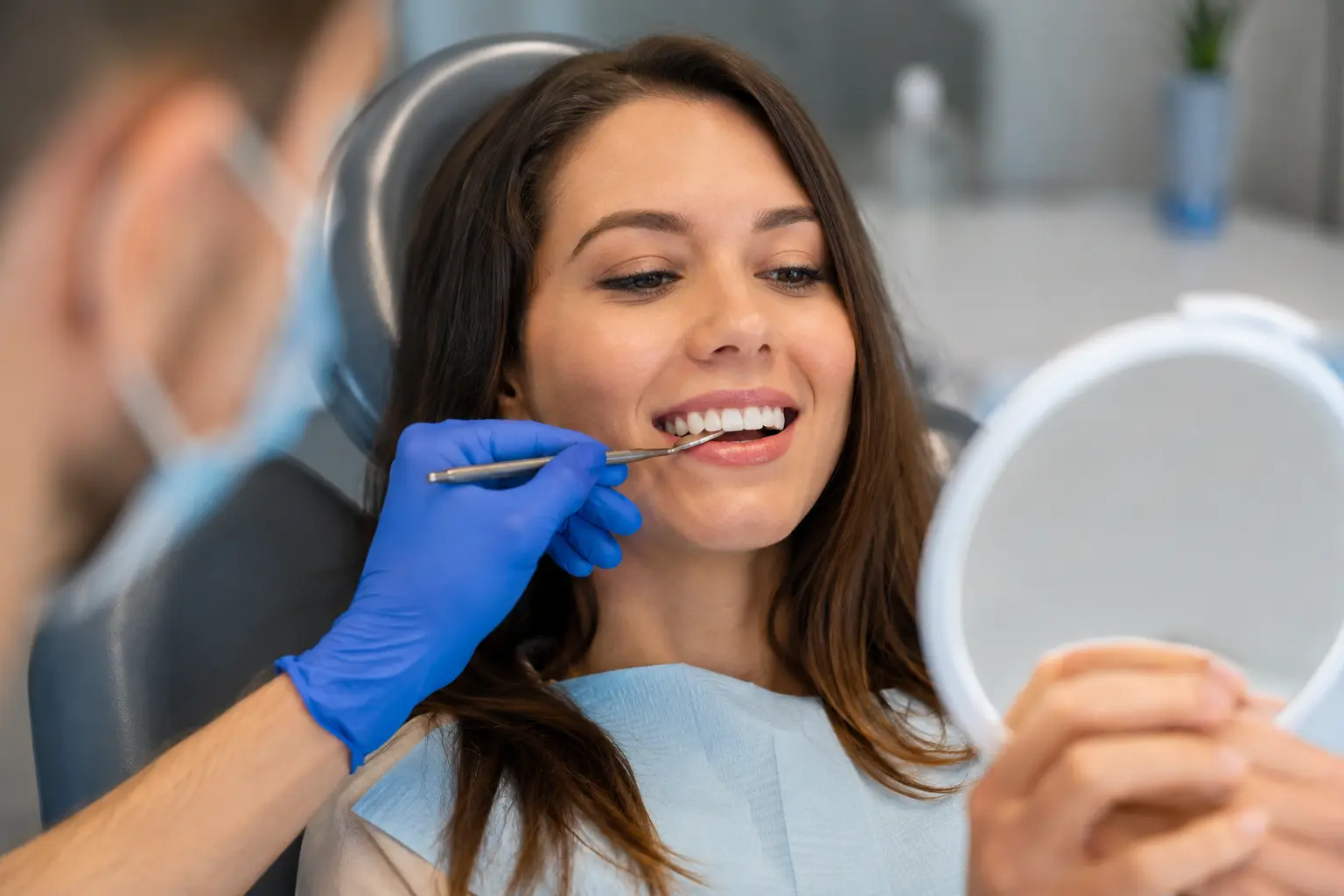
You catch your reflection and immediately notice that chip, that stain, or that gap staring back at you, and cosmetic dental bonding is the fast, affordable fix that can transform your smile in a single appointment without the commitment of major dental work.
Understanding cosmetic dental bonding
Cosmetic dental bonding is a straightforward procedure where your dentist applies a tooth-colored resin directly to your teeth to fix visible imperfections. Think of it like sculpting your smile back to how you want it to look. The resin bonds to your tooth and hardens under a special light, creating a seamless blend with your natural teeth. For young adults dealing with chips from sports or accidents, discoloration that whitening won’t fix, or small gaps between teeth, bonding offers a real solution without the expense or recovery time of veneers or crowns. The entire process typically takes 30 to 60 minutes per tooth, meaning you can walk out with a noticeably improved smile the same day. Unlike more invasive procedures, bonding requires minimal tooth preparation and is completely reversible if you ever want to explore other options down the line.
- Quick and painless process
- Affordable compared to other cosmetic treatments
- Improves appearance instantly
Choosing the right dentist
Finding the right dentist for cosmetic bonding is where your results begin. You need someone who understands aesthetics, not just dental mechanics. Start by looking for dentists who specifically advertise cosmetic bonding experience and have a portfolio of before-and-after photos on their website or social media. When you call to schedule a consultation, ask how many bonding procedures they perform each month and request to see examples of their work. A skilled cosmetic dentist will spend time understanding what bothers you about your smile and what you actually want to achieve, not just what they think you need. Read reviews from other young adults who have had bonding done, and pay attention to comments about the dentist’s attention to detail and whether the results looked natural. Don’t just pick the cheapest option either, because poor bonding work can look obvious, uneven, or chip easily. A good dentist might cost more upfront but will save you money and frustration in the long run.
📘 Fix your day in under 2 minuteschoose where to begin:
Preparing for the procedure
Before your appointment, have a clear conversation with your dentist about what you want your teeth to look like. Bring reference photos if you have them, or describe specific concerns like a chip you want smoothed or a gap you want closed. Your dentist will examine your teeth and explain what bonding can realistically achieve for you. On the day of your procedure, brush and floss as normal, but avoid staining foods or drinks right beforehand since the dentist will be matching the resin color to your teeth. The dentist will clean the tooth surface, apply a conditioning liquid to help the resin stick, then carefully layer and shape the resin to match your tooth contour. They will show you the shade of resin they are using so you can approve the color match before they harden it. The entire experience is comfortable, though you might hear the buzz of the polishing tool at the end. Expect to sit still for about an hour, and plan to avoid eating hard or sticky foods for the first 24 hours after bonding.
Post-bonding care
After your bonding is complete, your teeth need a brief adjustment period. For the first 24 hours, avoid dark staining foods and drinks like coffee, red wine, or soy sauce, since the resin can absorb stains more easily than natural tooth enamel during this initial window. Stick to soft foods and be gentle when chewing near the bonded area. Once that first day passes, your bonding is fully set, but you still need to treat it with care to make it last. Brush gently with a soft-bristled toothbrush and use non-abrasive toothpaste, since aggressive scrubbing can scratch the resin. Floss carefully around bonded teeth to avoid catching the floss on the edges. Avoid chewing on ice, hard candy, pens, or your nails, as these habits are the leading cause of bonding damage. If you grind your teeth at night, ask your dentist about a night guard to protect your bonding while you sleep. Schedule regular dental check-ups every six months so your dentist can monitor the bonding and polish it if needed to keep it looking fresh.
Enhancing your smile
Once your bonding is done, you have a real opportunity to feel more confident in your appearance and social interactions. Many young adults report that fixing a visible tooth flaw removes a mental barrier they did not realize they were carrying. You might find yourself smiling more freely in photos, during conversations, or when meeting new people. The transformation is not just physical, it is psychological. Bonding can be combined with other cosmetic treatments too, like professional whitening to brighten your entire smile or additional bonding on other teeth if you want a more comprehensive enhancement. The key is enjoying the results while maintaining them through good oral habits. Your improved smile is an investment in yourself, and with proper care, your bonding can look great for five to ten years. Take time to appreciate the change and remember that this procedure was designed to help you feel like the best version of yourself.
Cosmetic dental bonding offers a quick and affordable solution to enhance your smile effortlessly. Choose a skilled dentist, prepare for the procedure, follow post-bonding care tips, and enjoy a confident smile transformation.
Is cosmetic dental bonding suitable for everyone?
Cosmetic dental bonding is ideal for most individuals looking to improve the appearance of their teeth. However, it may not be suitable for extensive dental issues that require more invasive treatments.
How long does cosmetic dental bonding last?
With proper care and maintenance, cosmetic dental bonding can last up to 5-10 years. Regular dental check-ups and good oral hygiene practices can help prolong the lifespan of the bonding.
Others also read:
Disclaimer: This article is for informational purposes only and is not a substitute for professional medical advice. Always consult a healthcare professional for personal guidance.
This guide has been prepared and reviewed by the GlobalHealthBeacon editorial team and reflects current medical research as of 2026. It provides structured, evidence-based information to support informed health decisions.
